

Youth Athlete Development Without Burnout
Parents, I say this with love: your kid does not need more random tournaments, more private lessons, more rushed conditioning, and more pressure layered on top of school, sleep deprivation, and three snacks that barely count as food. They need a plan.
Youth athletic development is not about turning a 12-year-old into a tiny professional athlete. It is about building speed, strength, coordination, confidence, and durability over time. The goal is not to peak in middle school. Please, let us not do that.
The best youth training blends play, skill, strength, mobility, recovery, and smart exposure to sport demands. It should help kids move better, perform better, and actually enjoy the process. Let's get it.
The Big Problem: Too Much Sport, Not Enough Development
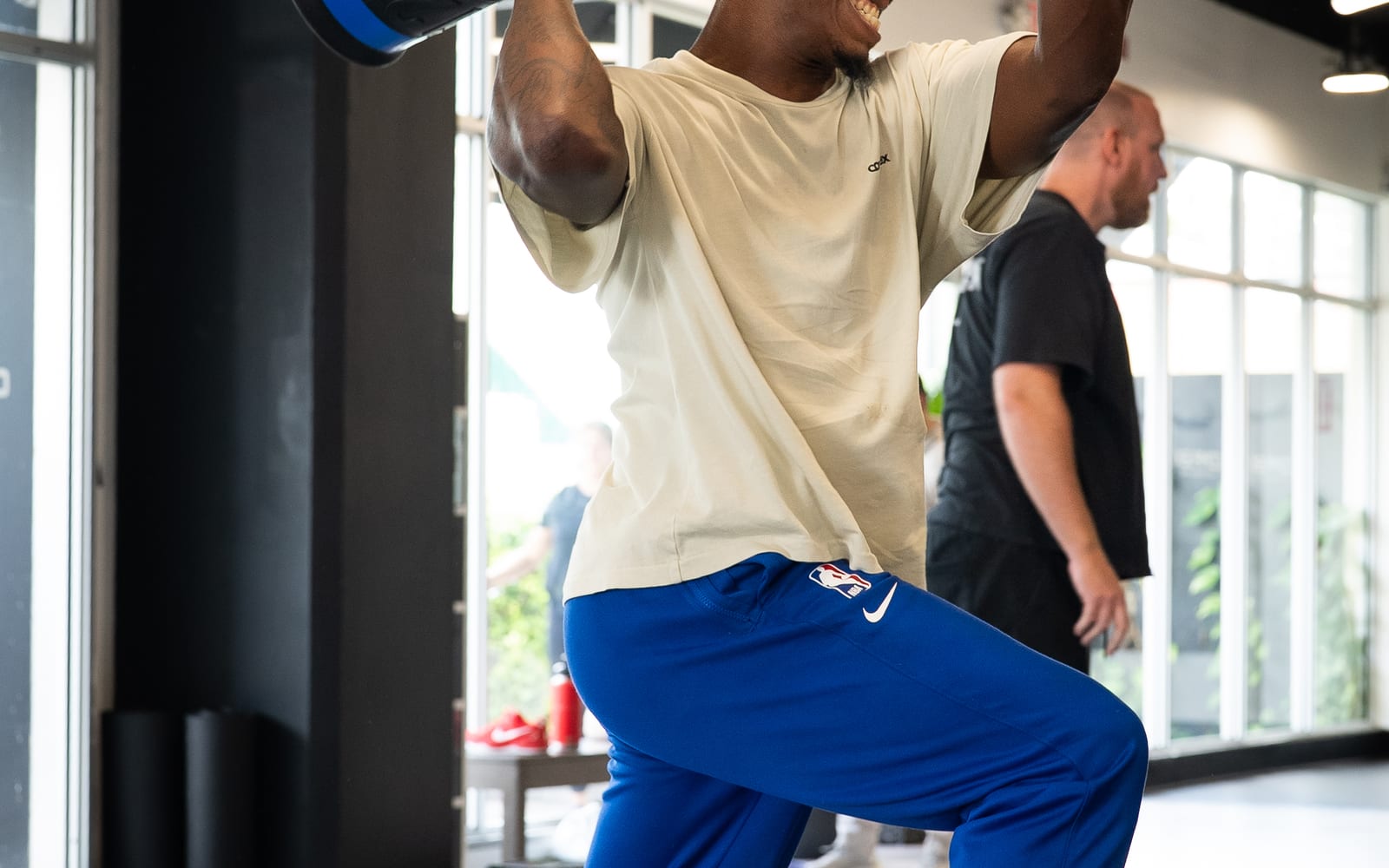
Many youth athletes play the same sport year-round but never build the physical qualities that support that sport. They sprint, cut, jump, throw, and compete constantly, but they do not learn how to land, decelerate, hinge, squat, brace, or recover.
That is not development. That is repetition with a scoreboard.
Early specialization and excessive volume can increase overuse risk and burnout. The American Academy of Pediatrics and the NSCA both support supervised, age-appropriate resistance training and long-term athletic development. Translation: strength training is not the enemy. Poor supervision, bad progression, and too much total stress are the enemy.
Strength Training Is Safe When It Is Coached Well
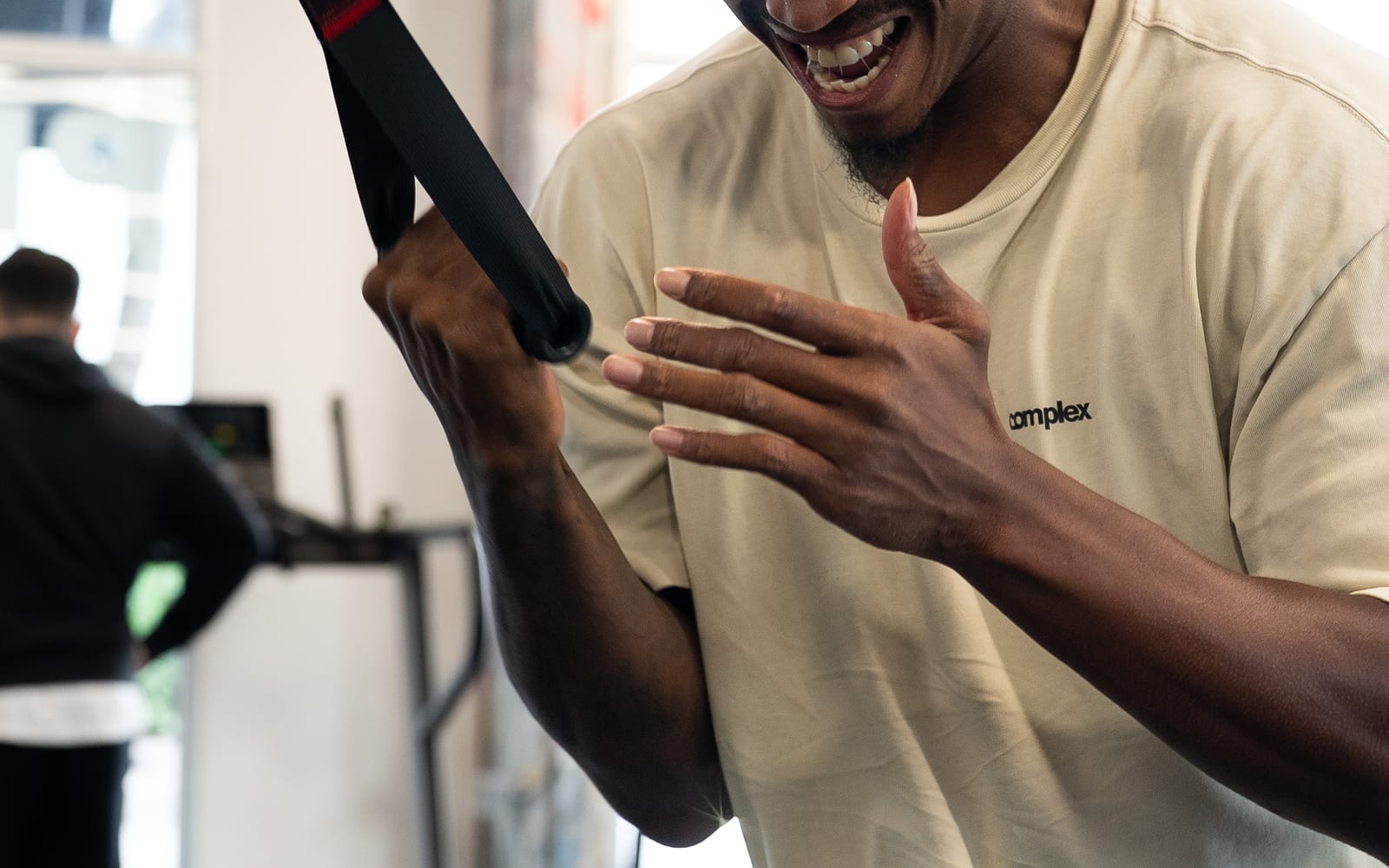
Let us retire the old myth that strength training stunts growth. Properly designed and supervised youth resistance training is considered safe and can improve strength, motor skill performance, injury resistance, and confidence.
The rules:
- Technique first
- Light to moderate loads at the start
- Full range of motion
- Two to three sessions per week
- Progress gradually
- Keep it fun enough that the athlete does not hate everybody
Kids do not need max testing every week. They need quality reps, good coaching, and progression that respects maturity. We are doing this simply because it's best for their function, but also because it's what I chose. And I choose not to make children train like exhausted accountants.
Speed Comes From Mechanics and Strength
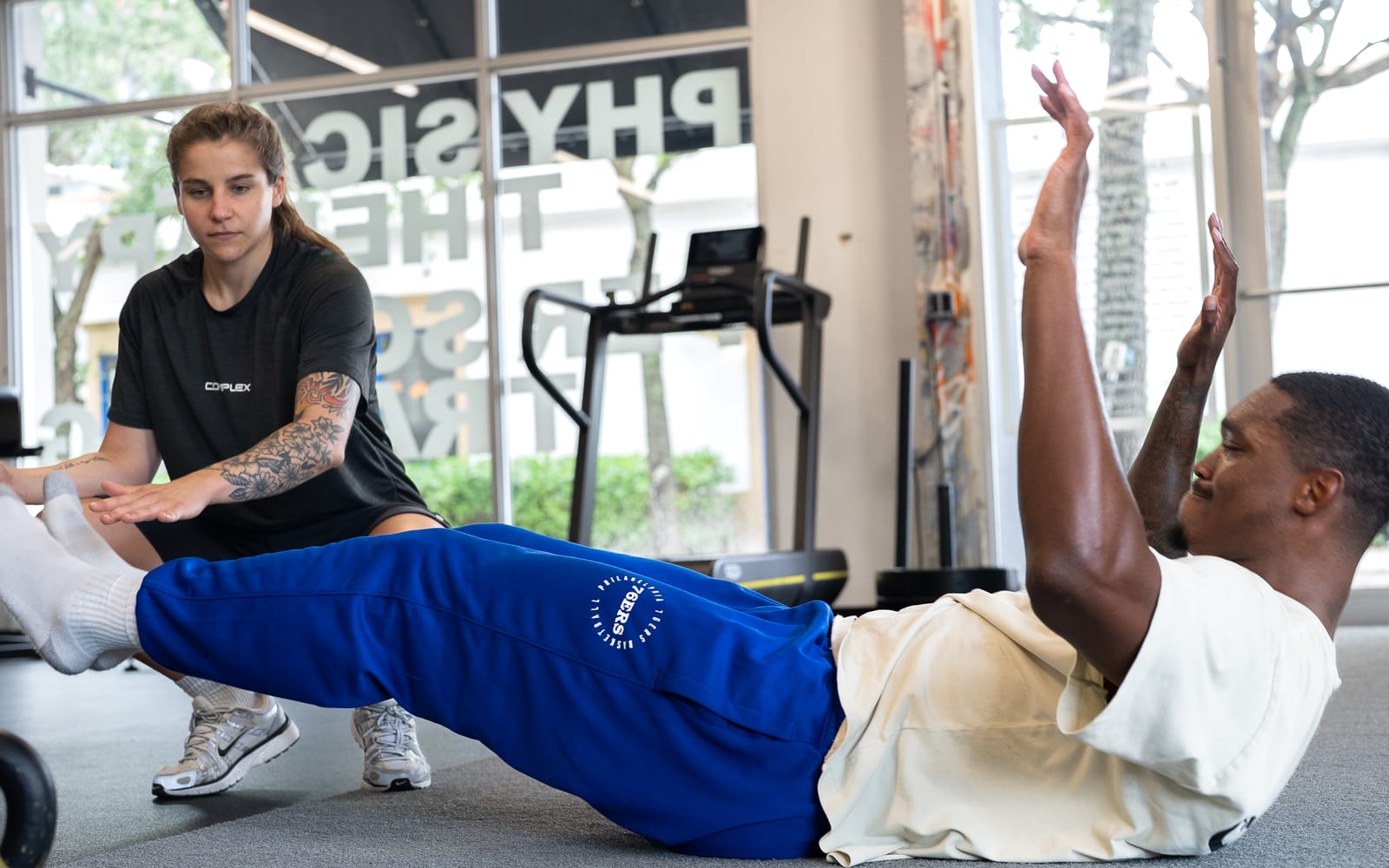
Speed is not just "run harder." Youth athletes need to learn posture, rhythm, arm action, acceleration angles, and how to put force into the ground.
A good speed plan includes:
- Marches
- Skips
- Wall drills
- Short accelerations
- Deceleration drills
- Lateral movement
- Rest long enough to keep quality high
Speed work should not look like punishment conditioning. If every rep is sloppy because the athlete is exhausted, you are not training speed anymore. You are training survival. Different category.
Build the Brakes
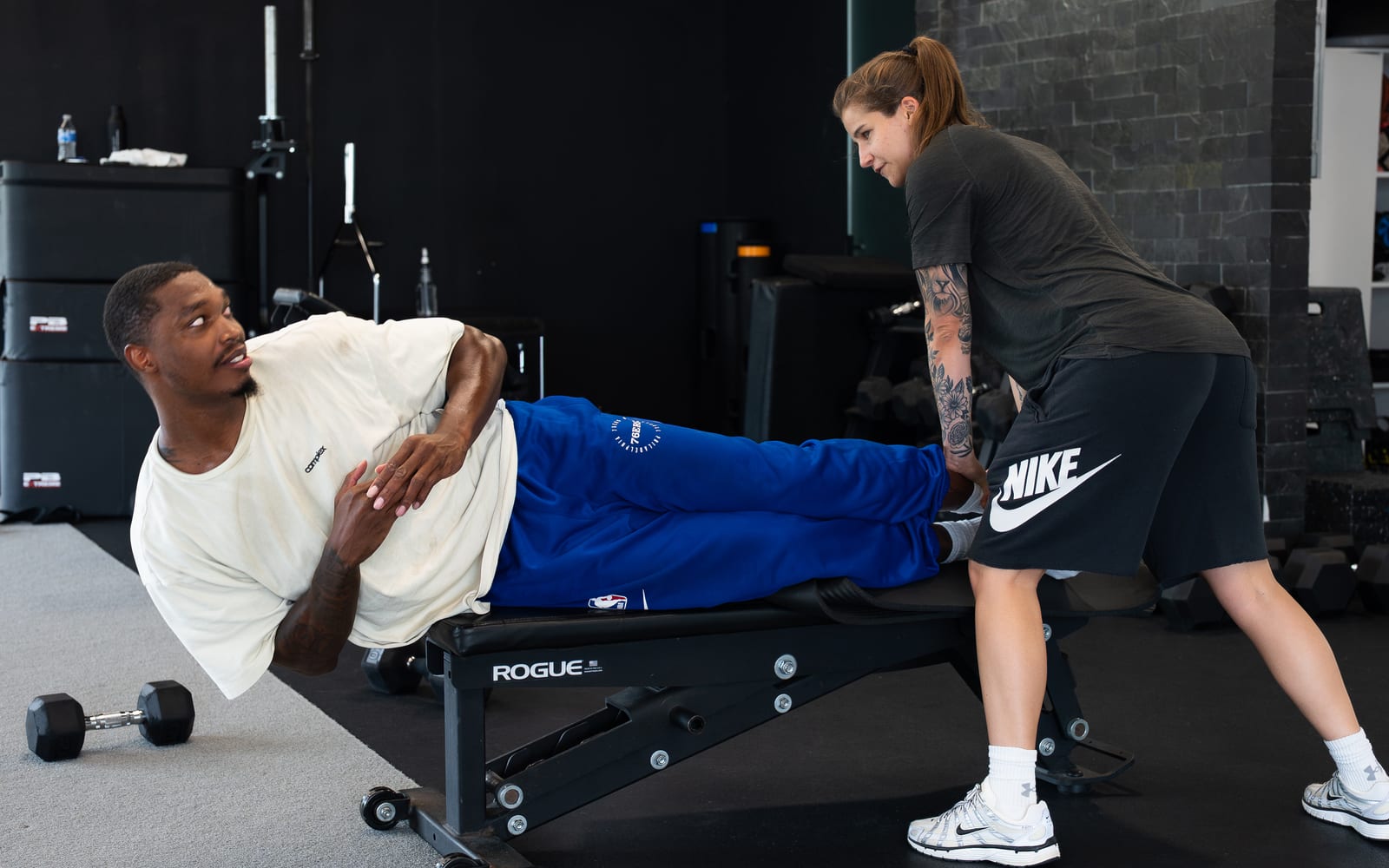
Parents notice speed. Coaches notice goals. I notice brakes.
Can the athlete stop? Can they land? Can they cut without the knee collapsing? Can they control their trunk? Can they absorb force on one leg?
Deceleration and landing are huge pieces of injury prevention. This is where strength, mobility, and coordination meet. If your athlete is fast but cannot stop, they are not fully developed. They are just a sports car with suspicious brakes.
Our injury prevention screening approach applies here too. Before pushing intensity, we need to know how the athlete moves.
Avoid the Burnout Trap
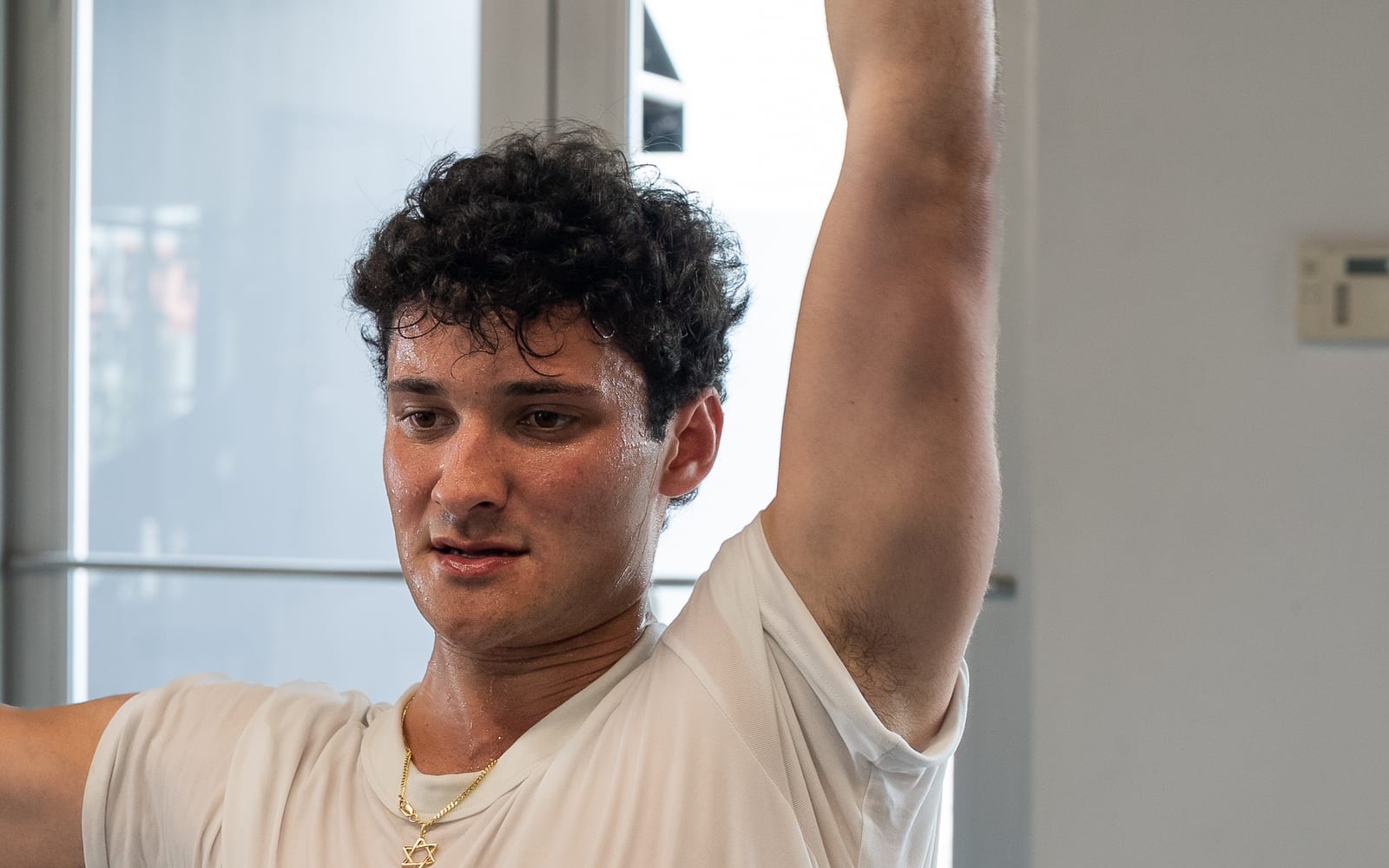
Burnout is not just being tired. It is emotional and physical overload. It happens when the athlete loses joy, feels constant pressure, has no recovery, or never gets a true offseason.
Watch for:
- Persistent fatigue
- Mood changes
- Drop in performance
- Chronic soreness
- Repeated small injuries
- Loss of motivation
- Anxiety around games or practices
One or two hard weeks happen. A constant grind is a problem.
A Better Weekly Structure
A balanced youth week might include:
- Two sport practices
- One or two strength and movement sessions
- One speed or agility session
- At least one true rest day
- Enough sleep to actually adapt
The exact plan depends on age, sport, season, maturity, and injury history. Individual basis. Always.
If the athlete is in-season, we maintain. If they are off-season, we build. If they are exhausted, we recover. This is not complicated, but it does require adults to stop treating the calendar like a dare.
For practical prep work, use the 6-minute warm-up system before practices and testing days. For older or more competitive athletes, sports performance testing can help separate real development from guesswork.
What Parents Should Ask
Before putting your youth athlete into a program, ask:
- Who is coaching the sessions?
- How is technique taught?
- How are loads progressed?
- Is the program age-appropriate?
- How do you monitor fatigue?
- Does the athlete get rest?
- Is the goal long-term development or quick highlight clips?
If the answer is mostly hype, run. Or walk briskly. We are keeping the hamstrings safe.
Quick Takeaways
- Youth athlete development should build long-term capacity, not early burnout.
- Properly supervised strength training is safe and beneficial for youth.
- Speed training requires mechanics, rest, and quality reps.
- Deceleration and landing skills are essential for injury prevention.
- Recovery is part of training, not a sign of weakness.
- Parents should prioritize coaching quality and progression over hype.
- The best plan keeps kids strong, skilled, healthy, and enjoying sport.
FAQs
1. What age should kids start strength training?
When they can follow instructions and move with control. The program should be technique-focused and age-appropriate.
2. Should youth athletes lift heavy?
Eventually, some can lift challenging loads under qualified supervision. Early phases should focus on movement quality and gradual progression.
3. How many days per week should kids train?
Two to three strength sessions per week is plenty for many youth athletes, depending on sport schedule and recovery.
4. Is year-round specialization bad?
It can increase overuse risk and burnout. Some athletes specialize eventually, but younger athletes benefit from varied movement exposure.
5. What is the biggest mistake parents make?
Adding more and more sport without building the physical foundation to tolerate it.
References
- Lloyd, R. S., et al. (2016). "National Strength and Conditioning Association position statement on long-term athletic development." Journal of Strength and Conditioning Research.
- Faigenbaum, A. D., et al. (2009). "Youth resistance training: updated position statement paper from the National Strength and Conditioning Association." Journal of Strength and Conditioning Research.
- American Academy of Pediatrics Council on Sports Medicine and Fitness. (2008). "Strength Training by Children and Adolescents." Pediatrics.
- Bergeron, M. F., et al. (2015). "International Olympic Committee consensus statement on youth athletic development." British Journal of Sports Medicine.
Let's get you better. Start your youth athlete performance plan with Reese or book a session so your athlete can build speed and strength without burning out before the good part.
Ready to Start Your Journey?
Tell us your goals and we'll build a personalized plan to get you moving, stronger, and performing at your best.