

Injury Prevention Blueprint: 10 Screenings Every Athlete Should Do Before Training Hard
If you're an athlete or an active adult training in Miami, you already know the cost of a sidelining injury: lost momentum, missed games, and months of playing catch-up. I see people all the time who come to me frustrated. The problem? They have no plan, they've been executing movements incorrectly, or they've been doing something for months that flat-out doesn't work.
The good news is that these setbacks are predictable—and totally avoidable—if you do the right injury prevention screening before you push the intensity. At Complex Physical Therapy & Performance, we use a blueprint of 10 evidence-based screenings to identify the kinks in your armor before they become a massive problem. Let's get it.
Why Injury Prevention Screening Matters
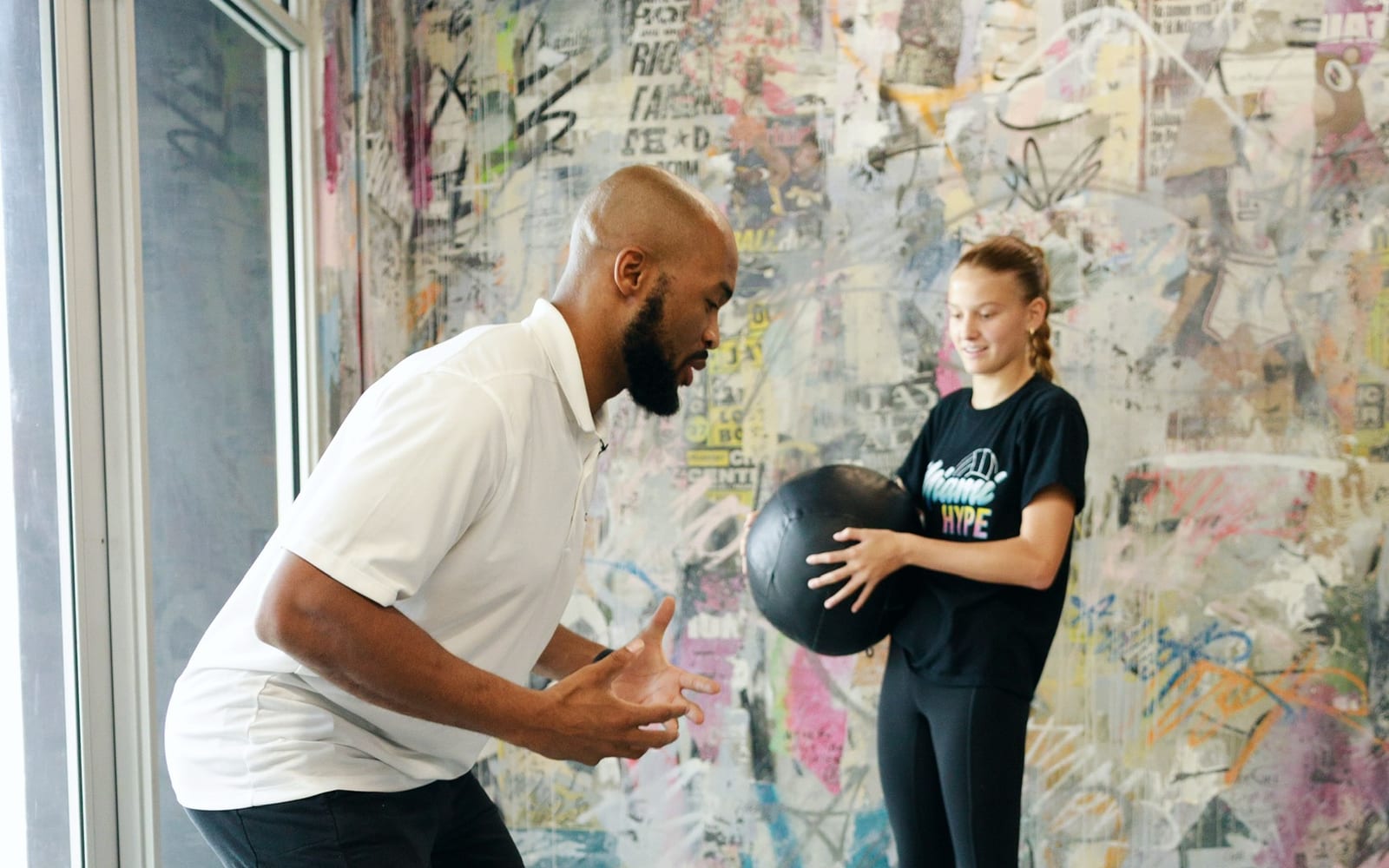
Training hard without a baseline is like driving blindfolded. You might feel fine right up until something snaps. Screening gives us a map of your movement quality, asymmetries, and weak links. This allows me to look at your form on an individual basis and ensure you have optimal programming that seamlessly blends injury prevention, strength, function, and mobility.
For those of you who want to function at a high capacity year-round, this baseline is non-negotiable. You need to train smarter, not just harder.
The 10 Screenings Every Athlete Should Do
1. Functional Movement Screen (FMS)
The FMS is a series of seven movement patterns that expose your limitations and asymmetries. Let me be clear: it scores how you move, not how much ego-lifting you can do. Poor scores in a deep squat, hurdle step, or in-line lunge usually predict a higher injury risk. We use this as the foundation of our injury prevention screening. Even if you're strong in the weight room, a low FMS score means you are compensating in ways that will eventually catch up with you.
2. Overhead Squat Assessment
Can you hold a dowel overhead and squat to depth with a neutral spine, or do you fold up like a cheap lawn chair? This screen tests ankle mobility, hip mobility, thoracic extension, and core control all at once. If your knees cave in, your arms fall forward, or your heels pop up, we know exactly where to focus our mobility and stability work before we ever let you touch a heavy barbell.
3. Single-Leg Squat / Step-Down
Sport and life are rarely double-leg. The single-leg squat or step-down reveals exactly how much control and strength you actually have on one leg. Knee valgus (caving inward), hip drop, or the inability to control your depth are giant red flags for knee and ankle injuries. We look for your knee tracking over your toe and a level pelvis. We fix this before you blow out a knee running, cutting, or landing.
4. Hip Internal and External Rotation
If your hips don't move, your lower back or knees will take the hit to compensate. It's that simple. We measure passive and active internal and external rotation to ensure you have the range you need. Golfers, tennis players, and soccer players desperately need adequate rotation. Simple, targeted mobility drills can improve these numbers and save your joints a lot of unnecessary stress.
5. Ankle Dorsiflexion (Knee-to-Wall)
Limited ankle dorsiflexion forces your knee and hip to do extra work when you squat, lunge, or land. The knee-to-wall test is a bulletproof screen. If you can't get your knee over your toes with your heel flat on the ground, fixing that is our priority before heavy lower-body work. Improving this usually leads to deeper squats and significantly less knee pain.
6. Shoulder Mobility (Apley Scratch / Reach)
Overhead athletes, or anyone who likes to press heavy things over their head, need sufficient shoulder mobility and control. We use reach tests, like the Apley scratch test, to see if you have the symmetry to train safely. Tight shoulders or a locked-up upper back usually contribute to restrictions here. Addressing both is a mandatory part of a complete injury prevention screening.
7. Core Stability (Plank, Dead Bug, Bird Dog)
A strong core isn't about holding a plank until you shake uncontrollably—it's about resisting motion under load. We assess your ability to maintain a neutral spine. Weakness here almost always shows up as lower back pain or a terrible transfer of force from your legs to your upper body. Building this foundation supports everything from your heavy deadlifts to sprinting down the field.
8. Balance and Single-Leg Stability
Single-leg stance with your eyes open, eyes closed, and on unstable surfaces tells us exactly how well your nervous system controls your body in space. If you look like you're on a boat during this screen, we need to build that ankle and hip control. Balance deficits are a fast track to ankle sprains and knee injuries.
9. Upper-Back and Thoracic Mobility
A stiff thoracic spine (mid-back) forces your shoulders and lower back to move more than they are designed to. We screen rotation and extension through this area. Desk posture and repetitive sports can lock up your mid-back. We mobilize this so your other joints can stop doing all the heavy lifting.
10. Sport-Specific Load Tolerance
The final boss. We apply load in patterns that mimic your specific sport or daily life—like jump landing, changing direction, or throwing. We are looking for pain, hesitation, or compensation under fatigue. Passing this phase gives us the green light that you are actually ready to ramp up the intensity.
How to Use Your Screening Results
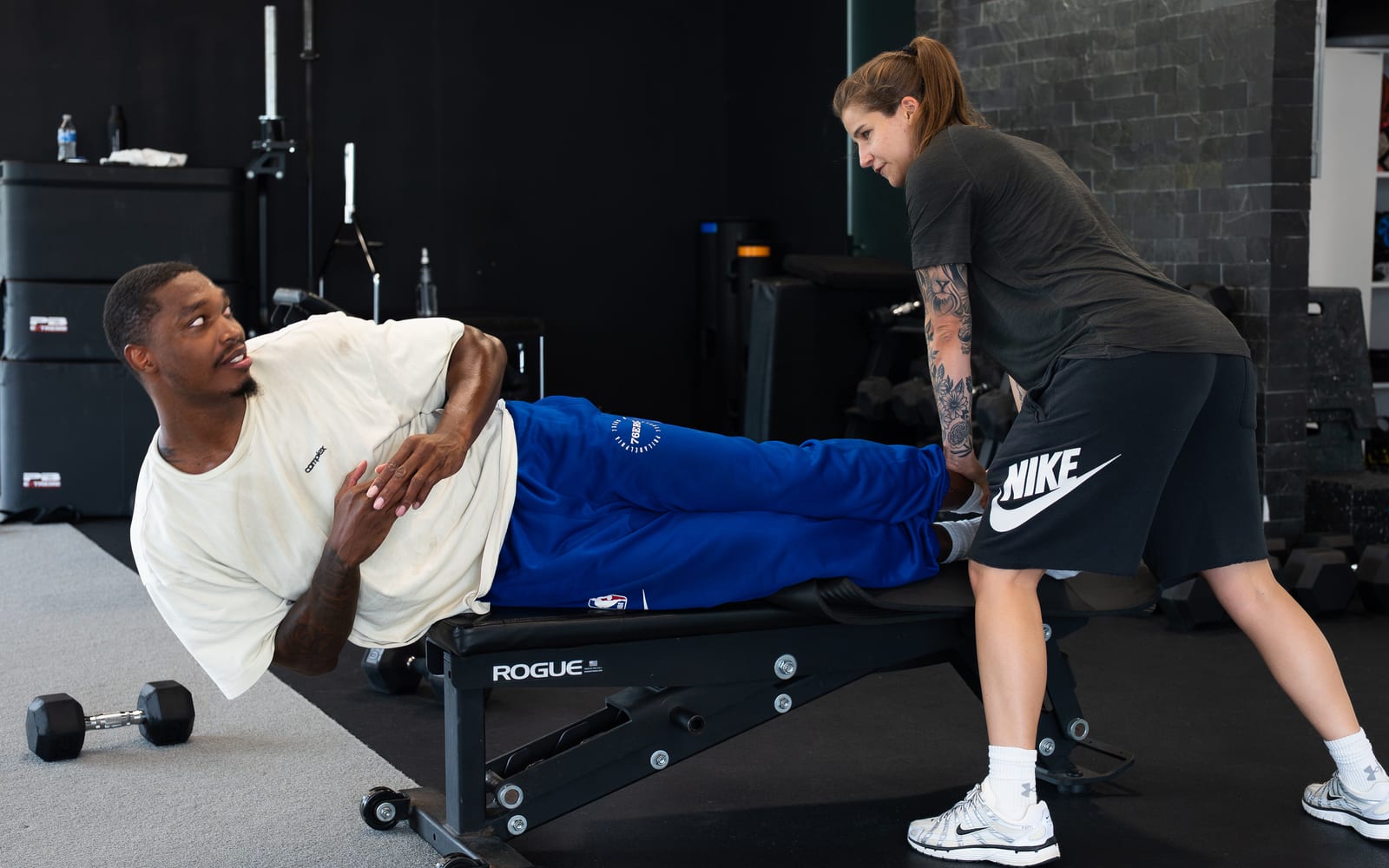
Screening alone doesn't prevent injury—action does. After your injury prevention screening, I develop a plan of care tailored entirely to you. We will prioritize:
- Mobility work for the joints that failed range-of-motion tests.
- Stability and strength for areas that lacked control.
- Progressive loading that actually respects your current capacity.
We turn your results into a strict, clear order of operations so you aren't overwhelmed. And listen, we are doing this simply because it's best for you in function, but also because it's what I chose. You're going to follow the plan, and you're going to see the results.
Who Should Get Screened?
- Athletes starting a new training block or entering their season.
- Active adults who want to move better, get stronger, and look better.
- Anyone tired of dealing with recurring tweaks, niggles, or past injuries.
- Runners and court athletes preparing to up their volume.
If you want to stop guessing and start training with intention, a one-time injury prevention screening gives you the exact roadmap you need.
What If You're Short on Time?
No excuses. You don't need two hours in the gym to benefit from this. Even 20–30 minutes of focused work on your specific weak links will absolutely move the needle. We take the 2–3 screens that showed the biggest limitations and hit those areas hard. Consistency over weeks matters way more than one massive, exhausting session.
If you need a simple place to start, pair your screening results with a 15-minute prehab routine and a better understanding of load management. That is how we turn information into a plan that actually sticks.
Let's get you better. Start your performance plan with Reese or book a session so your screening turns into a plan you can actually use.
Ready to Start Your Journey?
Tell us your goals and we'll build a personalized plan to get you moving, stronger, and performing at your best.