

Post-Op Rehab Mistakes That Delay Your Comeback
Surgery fixed the structure. Rehab determines whether you actually get back to your sport—or spend the next year dealing with setbacks.
I work with athletes after ACL reconstruction, meniscus repair, ankle procedures, and other orthopedic surgeries. The ones who delay their comeback usually are not lazy. They are doing the wrong things confidently.
Here are the post-op rehab mistakes I see most often, and what we do instead.
Mistake 1: Treating Passive Work as the Whole Plan
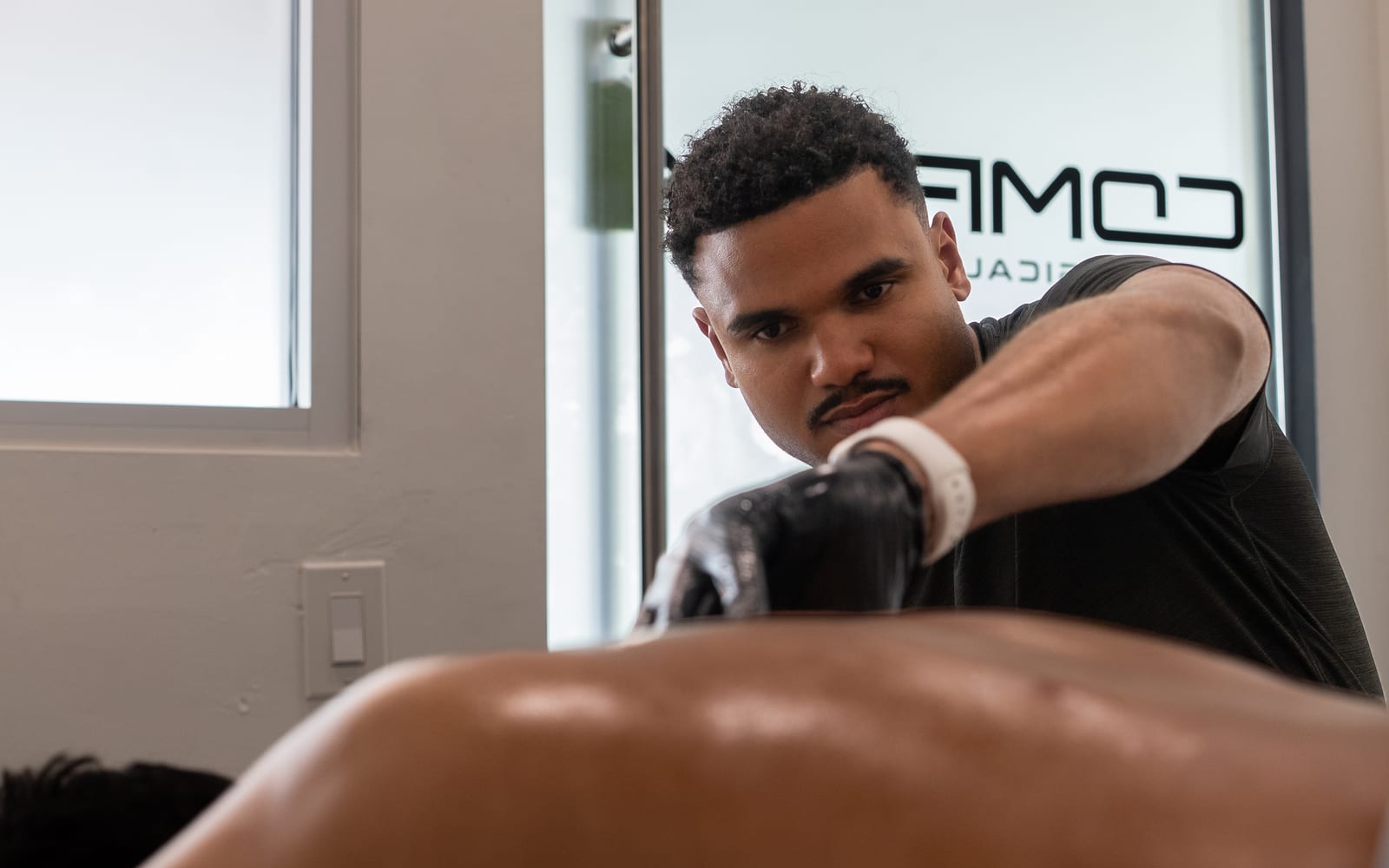
Manual therapy, massage guns, and table time feel productive. They can improve tissue quality and short-term mobility. They do not rebuild the capacity you need to run, cut, jump, or absorb contact.
Passive table work has its benefits. But to return to your best self from injuries, you need to rebuild capacity—and that is only accomplished through smart progressive loading.
Instead: Use hands-on work as a supplement. Make loading the centerpiece from early phases forward.
Mistake 2: Ignoring Small Pains Until They Become Bigger Issues
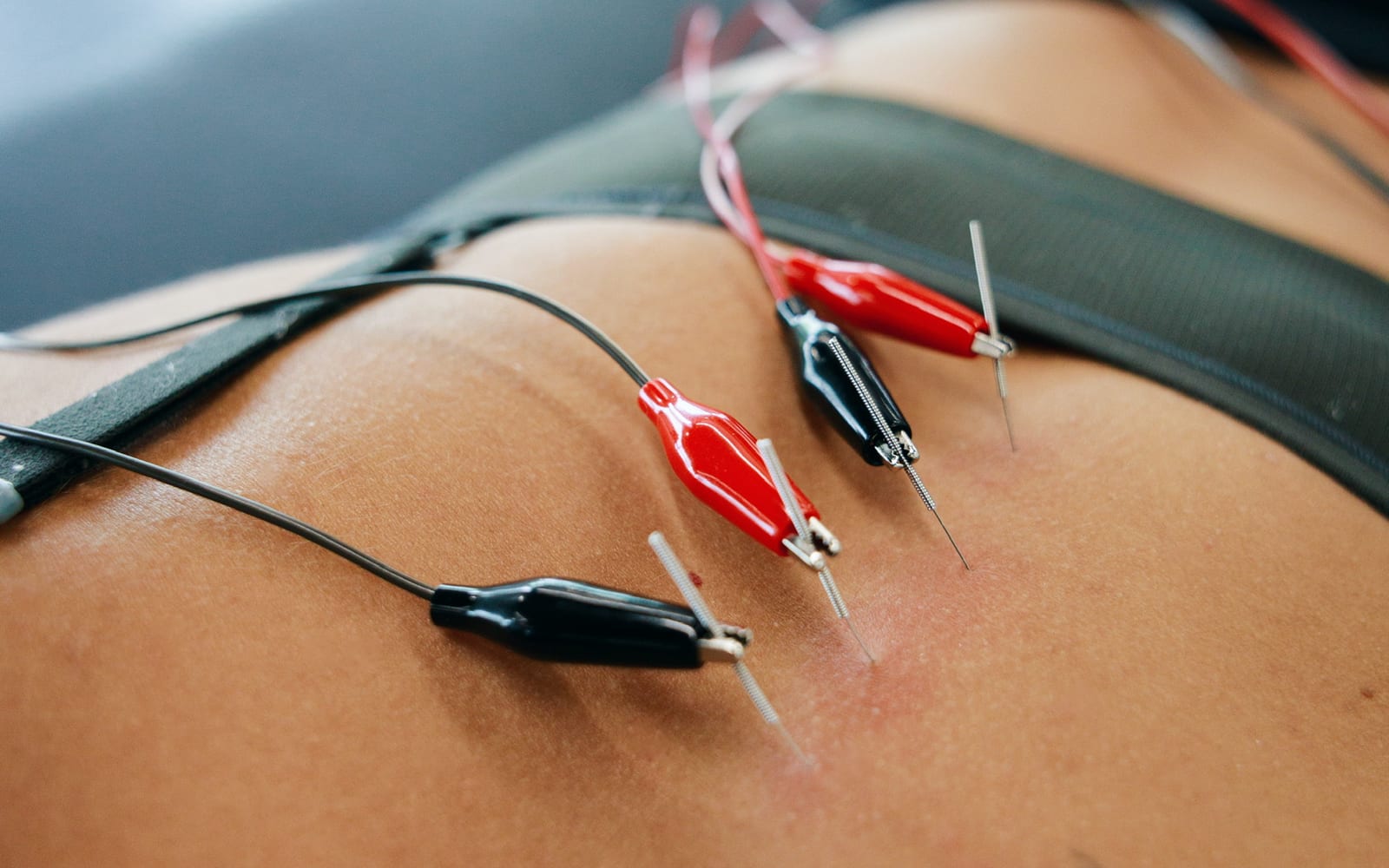
Athletes push through a dull ache, grab a massage gun, or skip reporting symptoms because they do not want to "go backward." That is how tendons flare, grafts get stressed, and three-week setbacks become three-month setbacks.
Instead: Communicate early. Modify exercise selection, range, or volume. Stay in the process without pretending pain signals do not exist.
Mistake 3: Training Only in the Sagittal Plane
Leg press, bike, straight walking, forward lunges—fine for early phases. Not enough for football, basketball, tennis, or soccer.
If you never train lateral deceleration, rotational control, or frontal-plane hip strength, you will not be ready when your sport demands it.
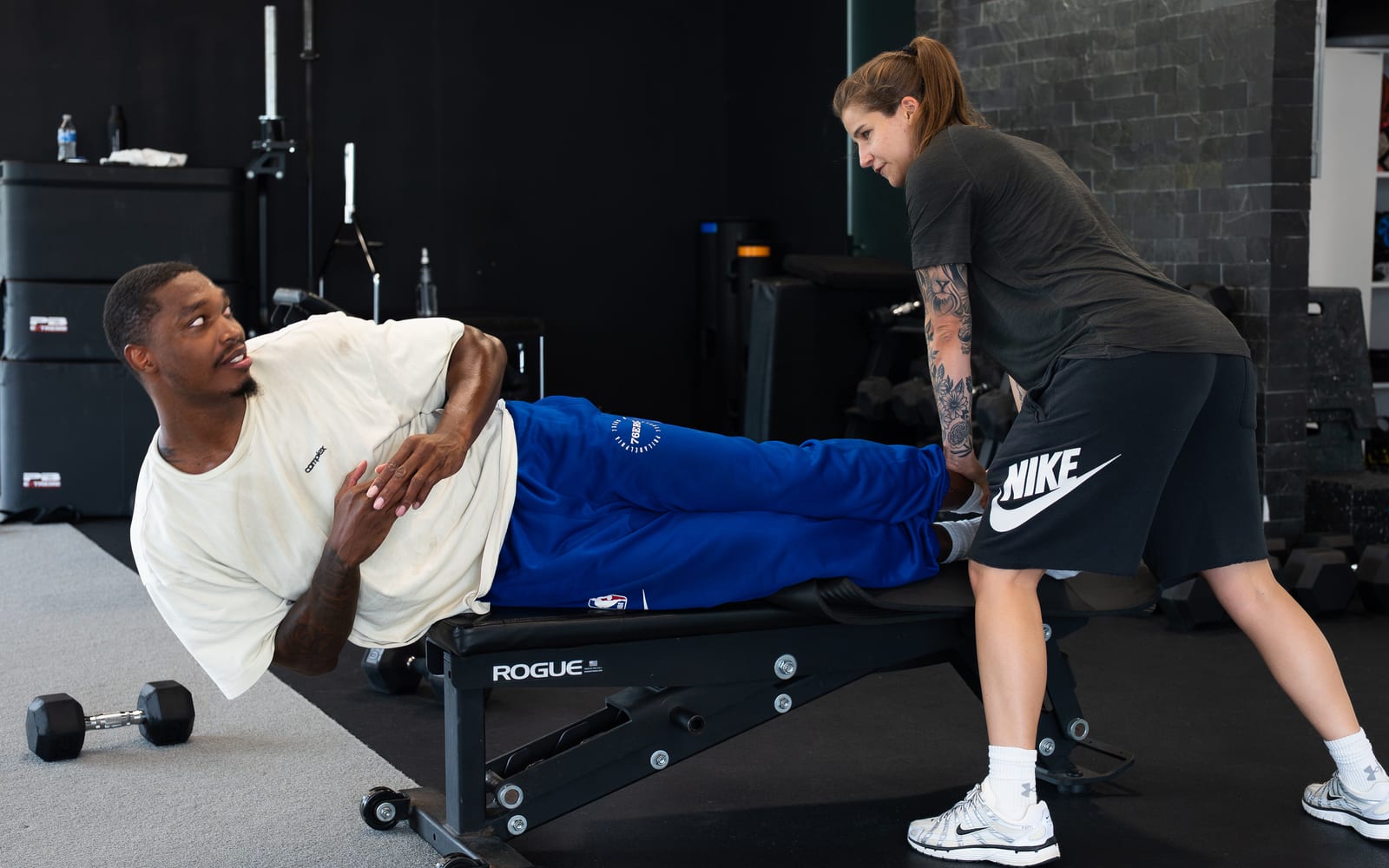
Instead: Progress multi-planar loading as your surgeon and healing timeline allow. We load your hip into the frontal plane to build your capacity to control and absorb force when you cut and change direction.
Mistake 4: Skipping Home Exercises
You are with your PT one to three hours per week. You have plenty of time to do your home program. The athletes who progress fastest treat homework as non-negotiable.
Our first few sessions focus on tissue quality, joint mobility, and some loading. As you improve, we spend more time building capacity through individualized progressive overload. None of that works if you only show up for appointments.
Instead: Do what we do in session on your own between visits. That is how we earn harder progressions in the clinic.
Mistake 5: Chasing Timeline Over Criteria

"Six months means I am cleared" is one of the most expensive beliefs in sports rehab. Timelines are averages. Your knee, graft, strength, and sport are specific to you.
Instead: Use objective return-to-play testing. Strength symmetry, hop quality, and movement control beat calendar math.
Mistake 6: Returning to Sport Before Capacity Matches Demand
Pain-free walking is not the same as pain-free cutting. Many athletes rush sport because they feel "good enough" in daily life.
Instead: Match training to sport demands progressively. For ACL athletes, review the full ACL rehab timeline. For football players, follow a structured comeback plan.
Mistake 7: All Intensity, No Recovery
The other extreme: athletes who treat post-op rehab like a pre-season grind—stacking sessions, ignoring swelling, and refusing deload weeks.
Swelling slows strength gains. Fatigue breaks down mechanics. Rehab is up and down. You need to remain calm through the fluctuations—not burn out trying to force linear progress.
Instead: Track swelling response, sleep, and session quality. Push when the system can absorb it. Pull back when it cannot.
Mistake 8: No Plan After Discharge
Some athletes finish formal PT with a generic sheet and no progression strategy. They stall—or reinjure—because nobody is managing load anymore.
Instead: Have a phased return-to-performance plan. Strength, speed, and sport exposure should be mapped—not guessed week to week.
Quick Takeaways
- Passive treatment alone will not restore sport capacity.
- Small pains ignored early become major setbacks later.
- Sagittal-plane-only training leaves cutting-sport athletes underprepared.
- Home exercise consistency separates fast progress from slow progress.
- Criteria-based clearance beats arbitrary timelines.
- Returning before strength and control match sport demand increases reinjury risk.
- Recovery and load management matter as much as intensity.
- You need a plan after formal PT ends—not just exercises on paper.
FAQs
1. Is it normal to have setbacks during post-op rehab?
Yes. Flare-ups happen. Persistent worsening week after week needs reassessment.
2. Should I push through post-op pain?
Distinguish expected loading discomfort from sharp or swelling-producing pain. When in doubt, communicate.
3. Can dry needling or adjustments speed recovery?
They can support tissue quality and mobility when used appropriately—but loading remains essential. See dry needling for athletes.
4. How do I know if my PT program is too easy?
If you are months post-op with no strength progression or sport-specific prep, ask why.
5. When should I start running after surgery?
When quad strength, swelling control, and mechanics support it—not when a friend did.
References
- Ardern, C. L., et al. (2016). "2016 Consensus Statement on Return to Sport." British Journal of Sports Medicine.
- van Melick, N., et al. (2016). "Evidence-based ACL rehabilitation guidelines." British Journal of Sports Medicine.
- Grindem, H., et al. (2016). "Simple decision rules can reduce reinjury risk by 84% after ACL reconstruction." British Journal of Sports Medicine.
- Wessel, J., et al. (1994). "Outcome following nonoperative treatment of ACL injuries." Clinical Orthopaedics and Related Research.
Let's get you better. Schedule your sports rehab assessment with Anderson or reach out for details on booking an evaluation.
Ready to Start Your Journey?
Tell us your goals and we'll build a personalized plan to get you moving, stronger, and performing at your best.