

Comeback Plan: Football Rehab in Miami
Football is not a participation sport you can ease into half-ready. Cutting, acceleration, contact, and repeated maximal effort expose every weakness your rehab skipped.
I work with football athletes in Miami—from high school to guys who still think they can run a 4.4. The ones who make it back for a full season follow a phased comeback plan. The ones who do not usually cleared on hope, trained only forward and back, or ignored small pains until they became bigger issues.
Here is the framework we use.
Phase 1: Build the Base (Strength and Symmetry)
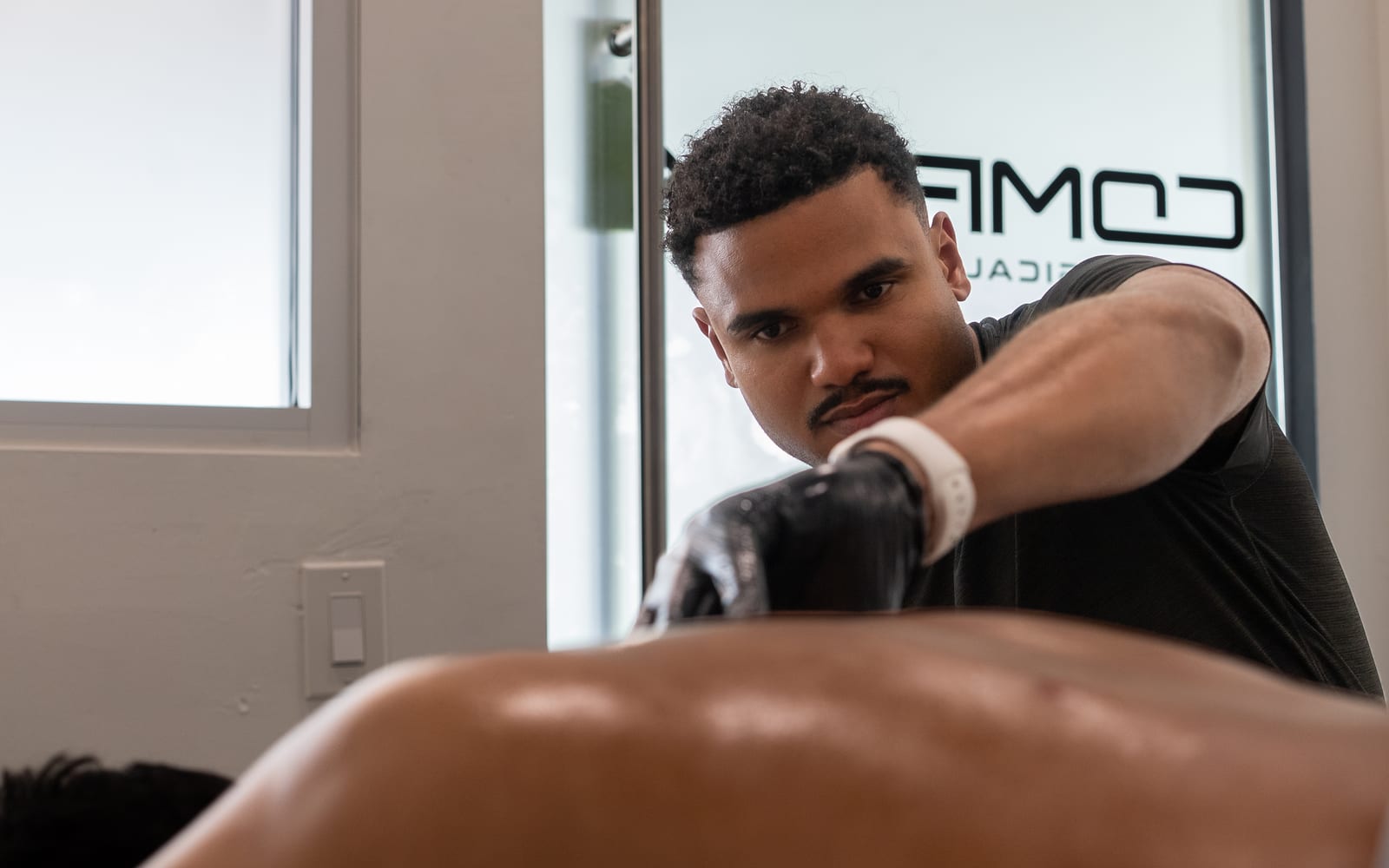
Before sport-specific work, you need:
- Quad and hamstring strength with acceptable limb symmetry
- Single-leg control on squat, step-down, and landing tasks
- Hip abduction and extension for cutting and tackling positions
- Calf and ankle capacity for acceleration and deceleration
- Swelling and pain managed with loading—not avoidance
After ACL or meniscus surgery, this phase aligns with surgeon protocols but does not stop at minimum standards. We push toward sport-level strength when tissue response allows.
Review ACL rehab timelines and post-op mistakes if you are coming off knee surgery.
Phase 2: Speed and Power
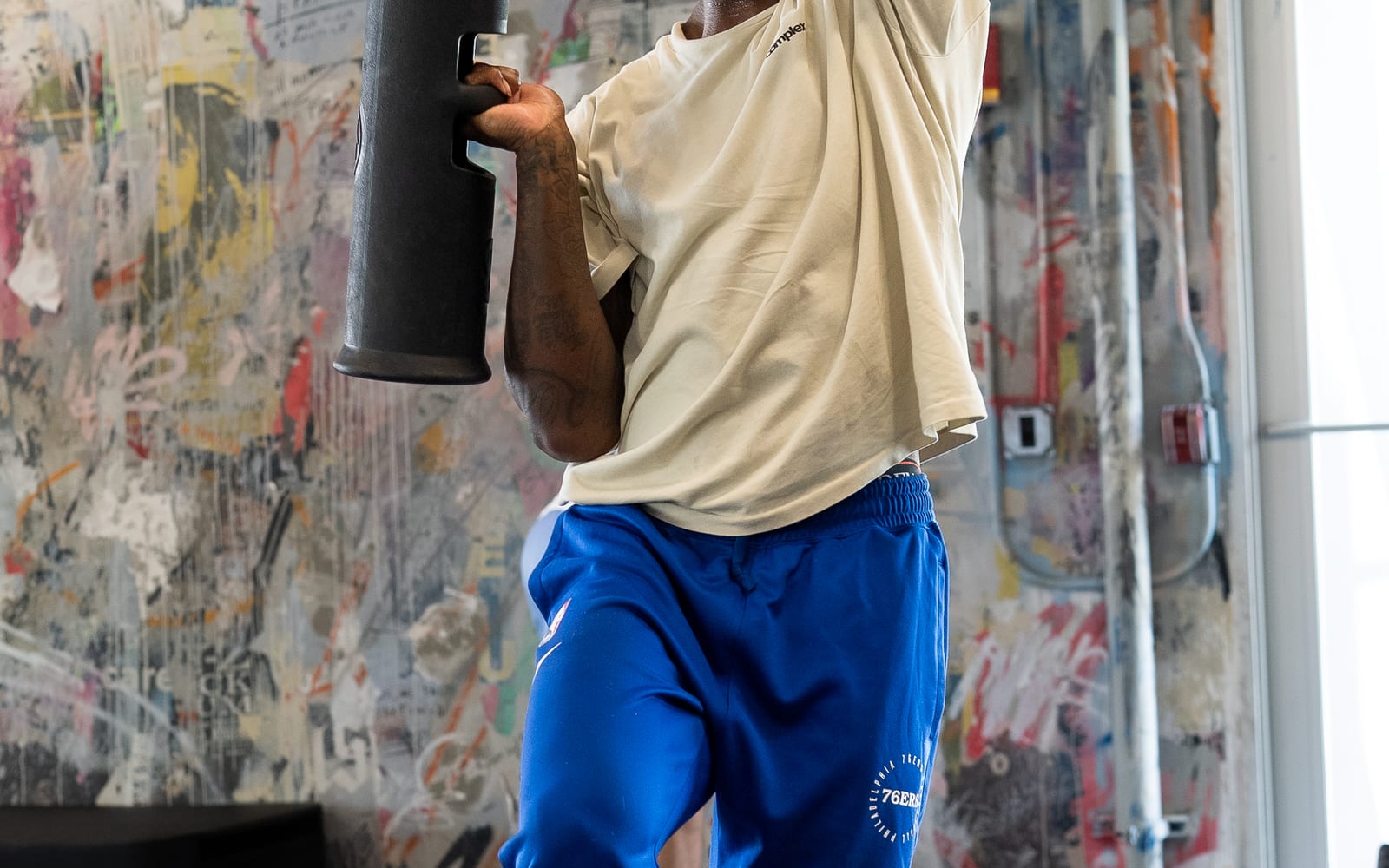
Football speed is acceleration, deceleration, and reacceleration—not just top-end sprinting.
Progressions include:
- Short accelerations (10–20 yards)
- Build-ups and flying sprints
- Lateral starts and crossover runs
- Med ball throws and explosive strength work
- Low-volume plyometrics with clean landings
See our full sprint and strength plan for regaining speed for detailed progressions.
Control first. DRIVE second. I need more quality before I need more intensity.
Phase 3: Change of Direction and Position Demands
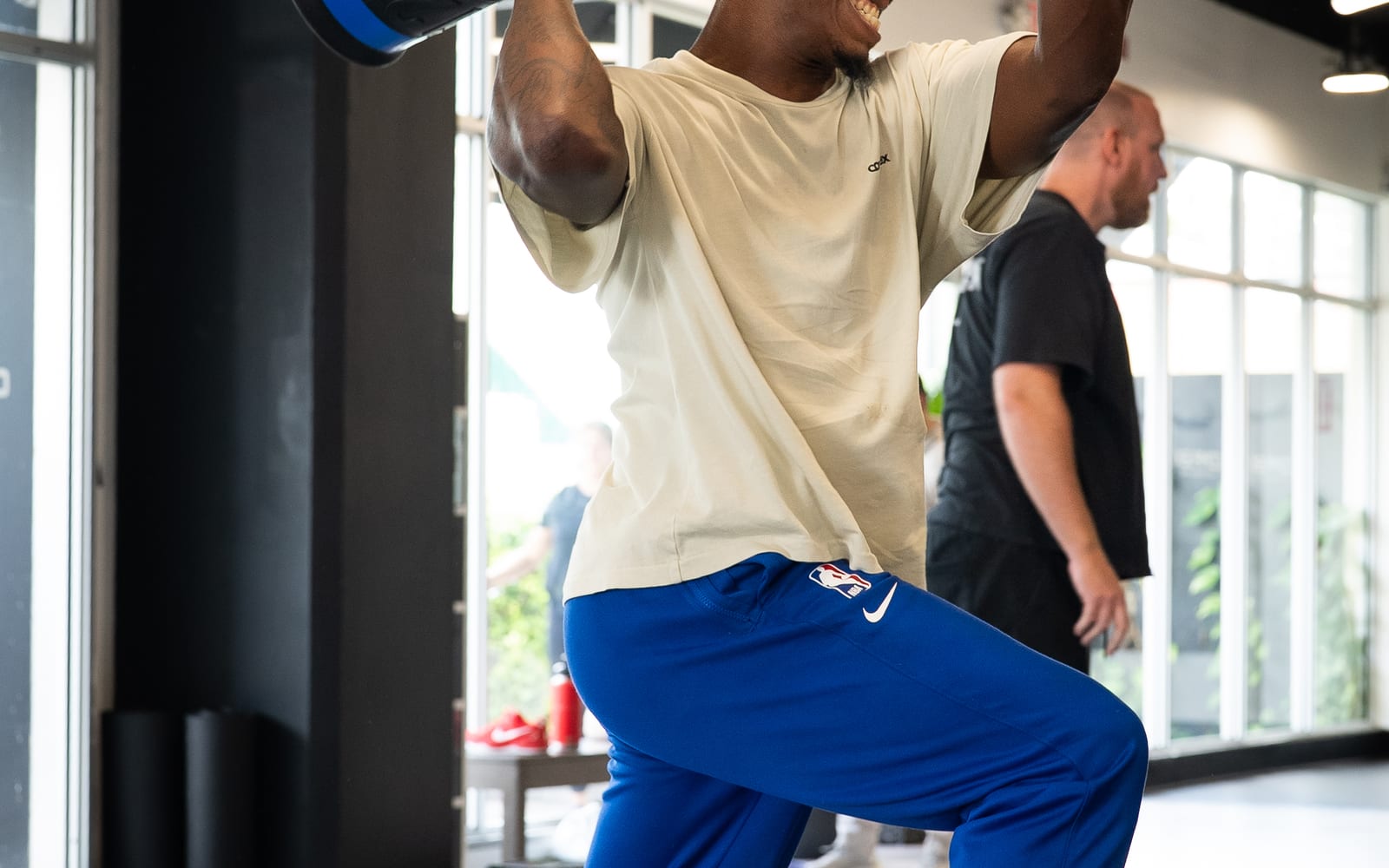
Linemen, skill players, and linebackers all cut differently—but everyone cuts.
We load your hip into the frontal plane to build your capacity to control and absorb force, redirect, and generate power when you cut and change direction on the field. Sagittal-plane-only training leaves you exposed on Sunday—or Friday night under Miami lights.
Drills progress from:
- Planned cuts at submax speed
- Reactive cutting when mechanics hold up
- Position-specific patterns (routes, pass rush angles, coverage transitions)
- Fatigued cutting to simulate late-quarter demands
Phase 4: Contact and Practice Integration
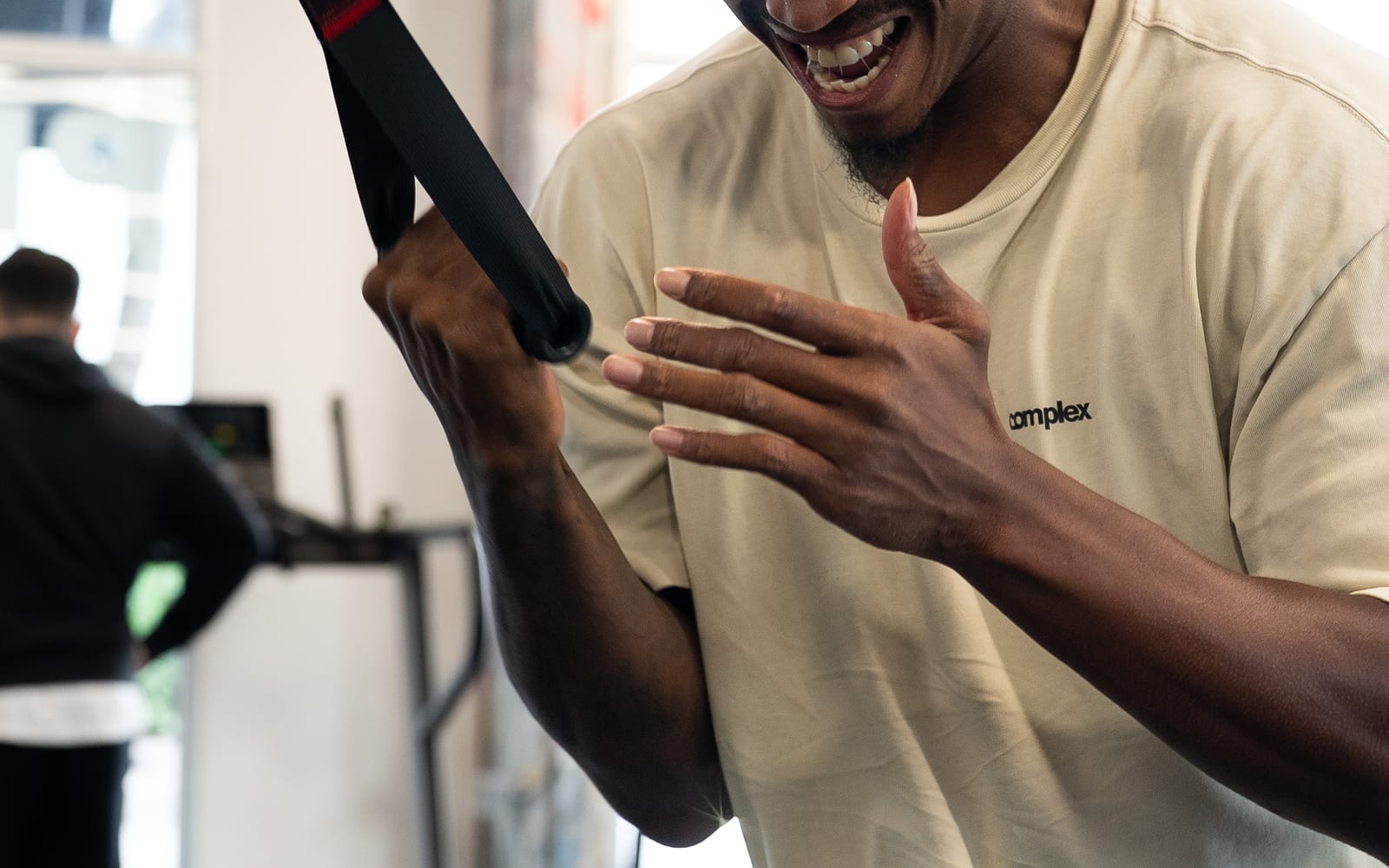
Contact readiness is not purely physical. But physically, you should tolerate:
- Controlled collision progressions when appropriate
- Practice reps at increasing intensity
- Special teams or position-specific volume
- Full-speed drills before full games
Before this phase, we use return-to-play testing metrics—strength, hops, movement quality, and confidence scores—not just a surgeon sign-off.
Phase 5: Return to Games with Load Management
Game one is not the finish line. It is a new load demand.
We monitor:
- Swelling and pain 24–48 hours after practice
- Asymmetry when tired
- Sleep, nutrition, and recovery in Miami's heat and humidity
- Weekly volume spikes that precede hamstring, knee, and ankle flare-ups
Load management principles from stopping injuries with smarter training loads apply to veterans and comeback players alike.
What Football Athletes in Miami Should Avoid
- Massage guns as the primary recovery strategy
- Skipping home exercises between PT sessions
- Returning because the calendar says six or nine months
- Training like a bodybuilder when you need to move like a football player
- Ignoring ankle or knee instability that shows up only at full speed
Rehab is up and down. Stay calm through setbacks—but do not pretend they are not signals.
Quick Takeaways
- Football comeback requires phased strength, speed, cutting, contact, and game exposure.
- Quad and single-leg strength symmetry are non-negotiable after knee injuries.
- Multi-planar loading prepares you for real field demands.
- Return-to-play testing should drive clearance—not emotion or calendar dates.
- Load management after return prevents the second injury that ends seasons.
- Home work between sessions determines how fast you progress in clinic.
- Miami heat adds recovery stress—plan hydration and session timing accordingly.
FAQs
1. How soon can I return to football after ACL surgery?
Typically many months, and only when criterion-based testing supports it. Timelines vary.
2. Can I train with the team while in rehab?
Often partially—modified participation beats complete isolation when managed well.
3. Do I need sport-specific PT?
Football demands cutting, contact, and speed. Generic rehab often misses that.
4. What if I feel good in drills but unstable in games?
That gap means sport-specific and fatigued testing was incomplete. Step back and rebuild.
5. Where should I start in Miami?
Reach out for details on booking an evaluation. We screen range of motion, strength, and goals, then build the plan from there.
References
- Ardern, C. L., et al. (2016). "2016 Consensus Statement on Return to Sport." British Journal of Sports Medicine.
- Buckthorpe, M., et al. (2019). "Hamstring injury prevention recommendations." Sports Medicine.
- Williams, S., et al. (2016). "Monitoring athletes in team sports." Sports Medicine.
- Stokes, K., et al. (2017). "Return to sport strategies after hamstring injury." British Journal of Sports Medicine.
Let's get you better. Schedule your sports rehab assessment with Anderson or reach out for details on booking an evaluation.
Ready to Start Your Journey?
Tell us your goals and we'll build a personalized plan to get you moving, stronger, and performing at your best.