

How to Regain Speed After Injury: A Sprint and Strength Plan
You were fast before the injury. Now every sprint feels heavy, your first step is slow, and you are not sure if you lost speed permanently or just have not rebuilt it yet.
Regaining speed after injury is a capacity problem. Rest does not restore velocity. Massage guns do not restore velocity. Smart progressive loading through strength, mechanics, and graded sprint exposure does.
Here is the plan I use with runners, football players, basketball athletes, and anyone who needs to move fast again.
Speed Is Built on Strength and Tolerance
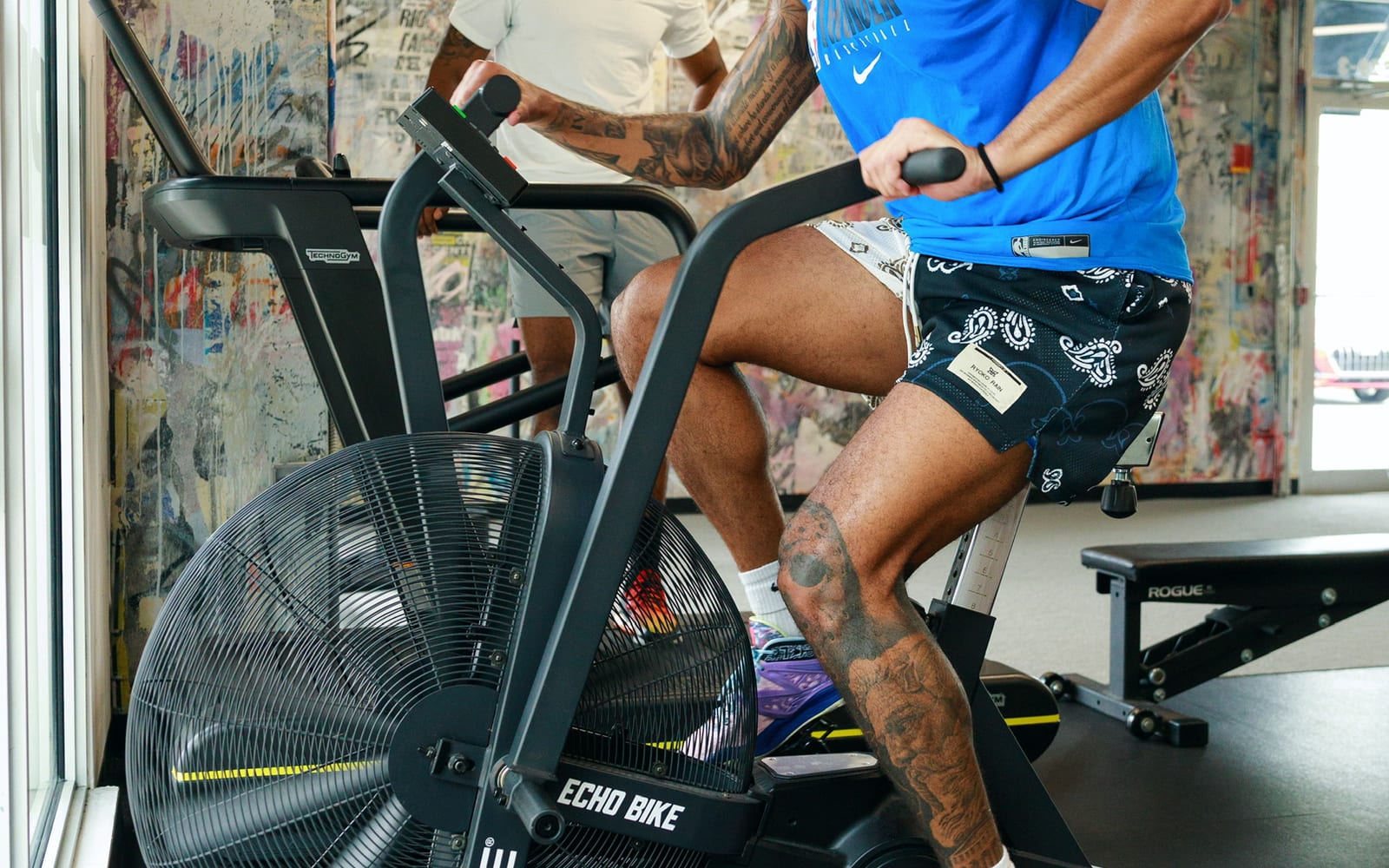
Before you worry about top-end sprinting, ask:
- Can you produce force on one leg?
- Can you tolerate high-velocity loading without pain or swelling?
- Can you decelerate and reaccelerate with control?
If the answer is no, sprinting harder will not fix it. It will delay your comeback.
We start with strength—especially posterior chain, quad, calf, and hip abductor work—then layer speed on top of a base that can handle it. Push. But load intelligently.
Phase 1: Restore Force Production
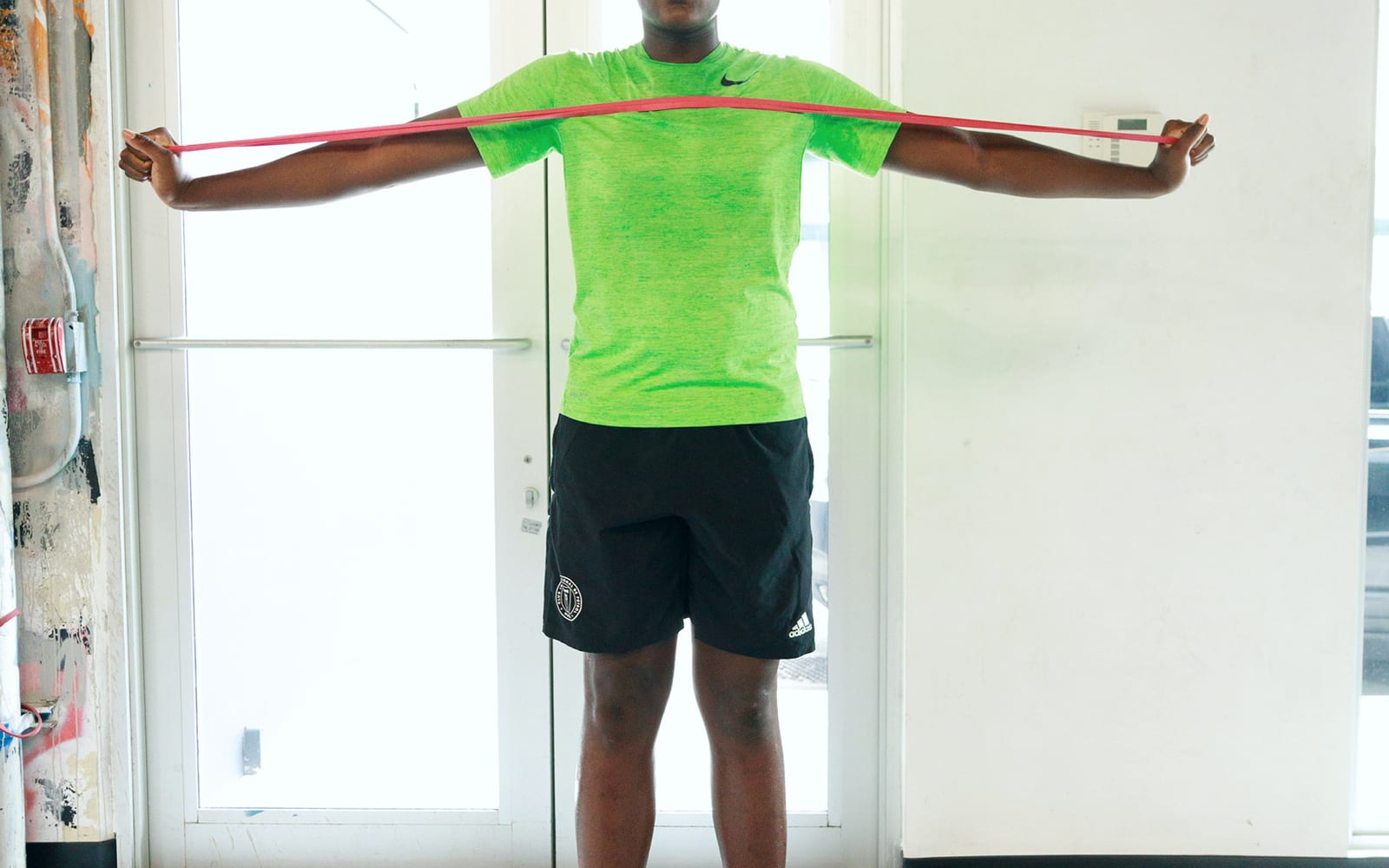
Early speed work without adequate strength is how hamstrings, knees, and ankles get re-injured.
Focus areas:
- Single-leg strength (split squats, RDLs, step-ups)
- Isometric and eccentric hamstring work
- Calf capacity for push-off and stiffness
- Hip extension and abduction for stride power
You are only with me one to three hours per week. What you do on your own between sessions determines how fast we progress. Keep going on the homework.
Phase 2: Rebuild Sprint Mechanics

Speed is skill plus capacity. After injury, athletes often shorten stride, overstride, or lose arm drive because they are protecting.
We address:
- Posture and trunk position
- Knee drive and foot strike under the hip
- Arm action
- Relaxed acceleration—not tensing through every rep
Film helps. What feels fast is not always fast. Control first. Then DRIVE.
Phase 3: Graded Sprint Progressions
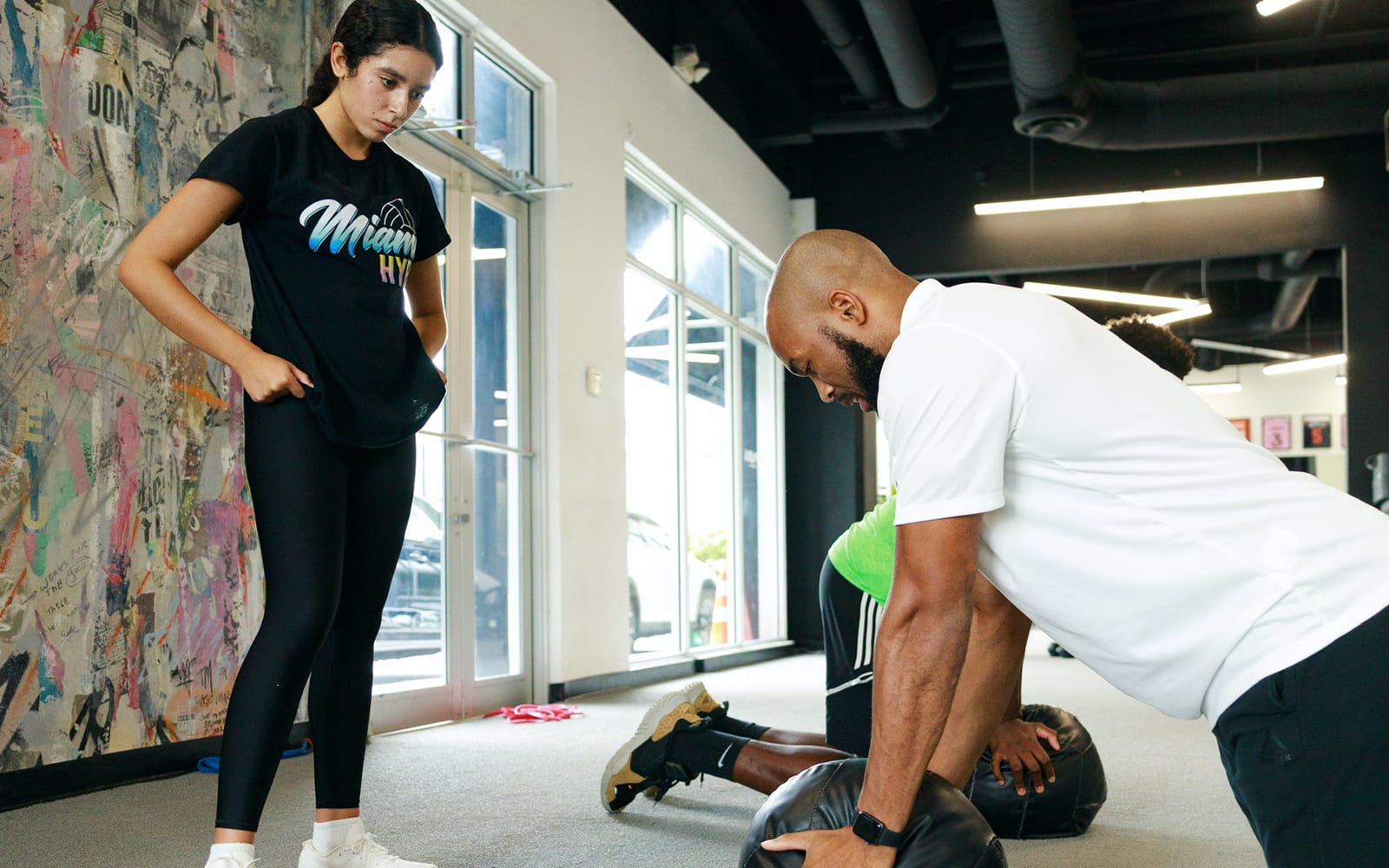
We do not jump from jogging to full sprints. Typical progression:
- Build-ups — gradual acceleration to submax speed
- Short accelerations — 10–20 yards, focus on first-step power
- Flying sprints — build speed before timed zone
- Max velocity work — only when strength and prior phases are clean
- Sport-specific speed — cuts, curves, reactive starts
If swelling, pain, or asymmetry returns, we pull back. Rehab is up and down. Stay calm. Adjust the plan.
Phase 4: Power and Elasticity
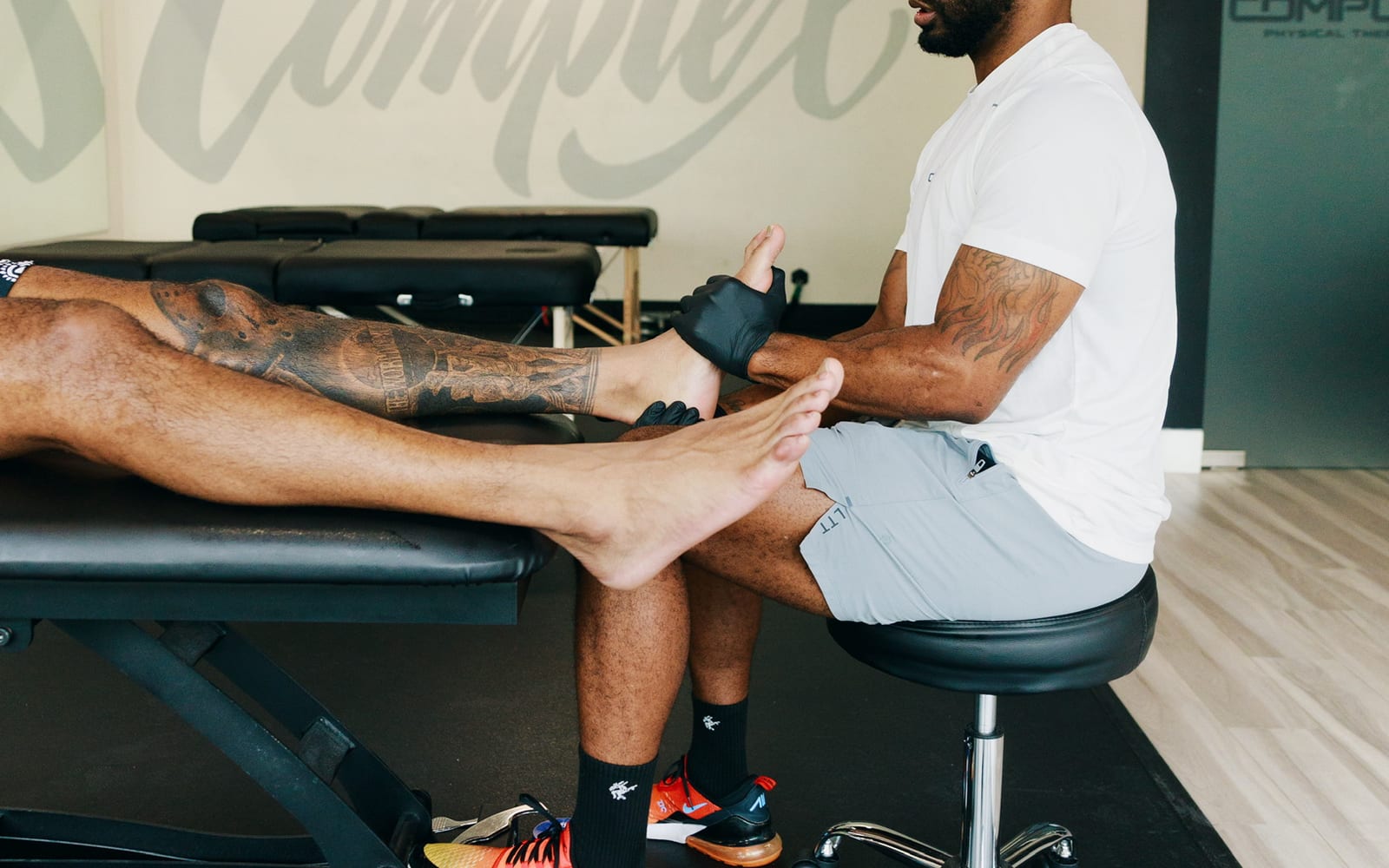
Plyometrics and reactive drills restore the stiffness and elasticity needed for sprinting—but only when landing mechanics are solid.
Progress from:
- Ankle hops and pogo variations
- Box jumps and bounds (low volume, high quality)
- Single-leg hops with stick landings
- Reactive drills when hop testing supports it
Tighten your core. Stabilize the landing. I need more control before I need more intensity.
Phase 5: Return-to-Sport Speed
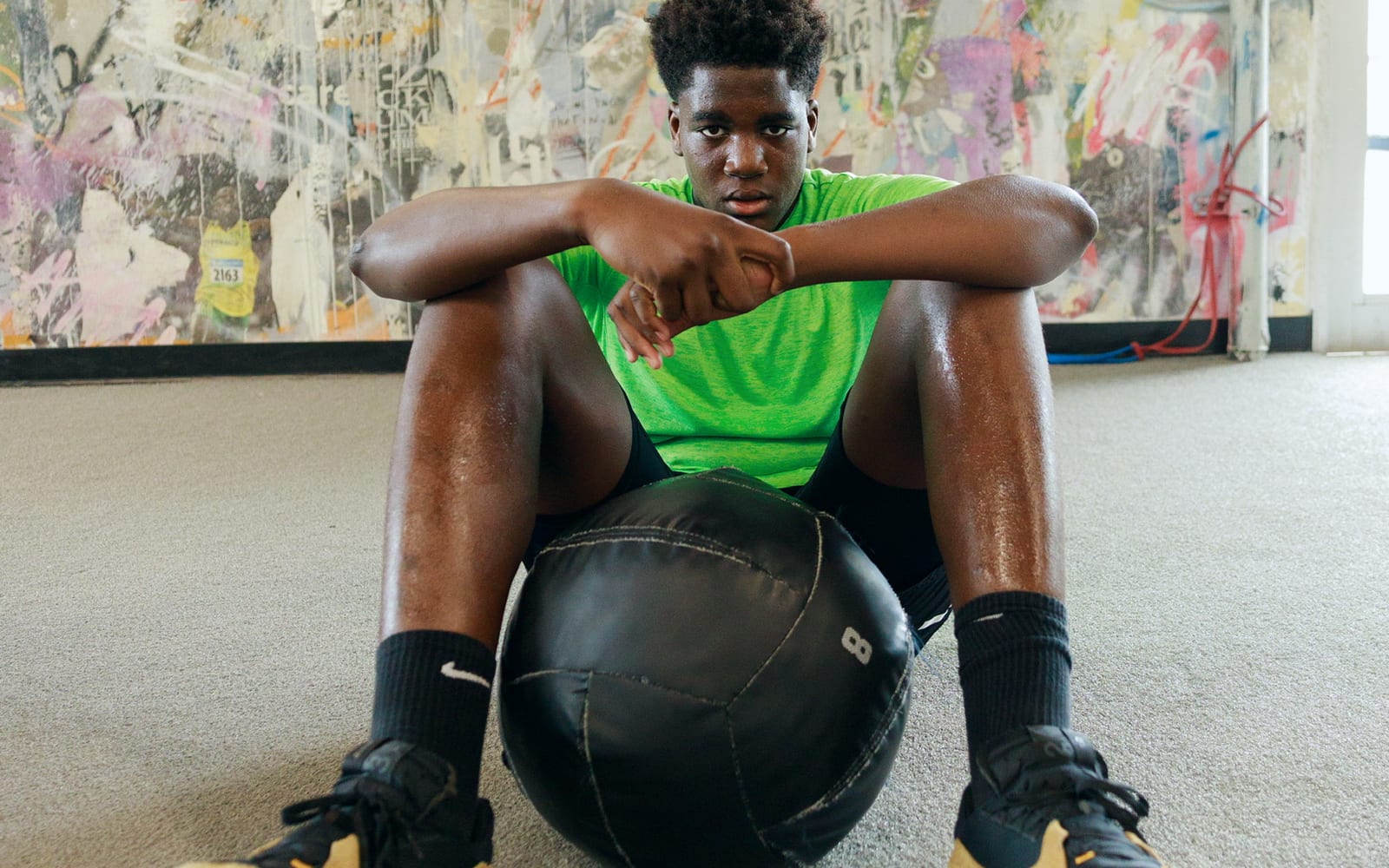
Field and court sports require more than straight-line speed. We load lateral and rotational demands so you can cut, redirect, and generate power when the game demands it.
Pair this phase with return-to-play testing so clearance is based on metrics—not how fast you think you look in practice.
For ACL and knee athletes, make sure quad strength and single-leg control are in place first. See knee pain after ACL surgery if symptoms persist during sprint progressions.
Common Mistakes That Slow Speed Return

Training only in the sagittal plane. Sport requires frontal and transverse plane capacity. Train it.
Ignoring small pains. A tight hamstring today becomes a strain next month. Address load and mechanics early.
Skipping strength because you "just need to run." You need both.
Using passive tools as the main strategy. Table work can help tissue quality. Speed comes from loading.
Quick Takeaways
- Speed after injury requires rebuilt strength, not just more running.
- Single-leg force production and deceleration capacity come first.
- Sprint mechanics need retraining after time off or compensation.
- Progress from build-ups to max velocity in structured phases.
- Plyometrics belong after landing control is proven.
- Home exercise consistency accelerates every phase.
- Objective testing confirms readiness before full return.
FAQs
1. How long until I get my speed back?
Depends on injury, strength loss, and training consistency. Weeks to months—not days.
2. Should I sprint through soreness?
Distinguish normal training soreness from sharp pain or swelling. The latter means adjust load.
3. Can I do speed work and lifting the same day?
Often yes, with smart sequencing and recovery. Fatigue management matters.
4. Do I need sprint coaching?
Helpful for many athletes, especially if mechanics changed after injury.
5. When am I cleared for game-speed sprints?
When strength, hop, and movement criteria support it—not when you feel impatient.
References
- Buckthorpe, M., et al. (2019). "Recommendations for hamstring injury prevention and rehabilitation." Sports Medicine.
- Mendiguchia, J., et al. (2020). "Hamstring injury recurrence is associated with reduced strength and flexibility." British Journal of Sports Medicine.
- Haugen, T., et al. (2019). "The role of strength training in sprint performance." Sports Medicine.
- Taberner, M., & Cohen, D. D. (2018). "Physical preparation of the football player with an intramuscular hamstring tendon tear." British Journal of Sports Medicine.
Let's get you better. Rebuild your speed plan with Rafael or reach out for details on booking an evaluation.
Ready to Start Your Journey?
Tell us your goals and we'll build a personalized plan to get you moving, stronger, and performing at your best.