

Knee Pain After ACL Surgery: 7 Common Causes and Fixes
You had ACL surgery. You did the early rehab. The surgeon cleared you. And your knee still hurts—or feels wrong—when you squat, run, cut, or even walk down stairs. That is frustrating. It is also common.
Knee pain after ACL surgery does not always mean something catastrophic failed. More often, it means something in the recovery chain was skipped: quad strength, movement quality, load progression, or the work outside the sagittal plane. Passive table work has its place. But to return to your best self, you need to rebuild capacity through smart progressive loading. That is the only way this works long term.
Let me walk you through the seven causes I see most often—and what we actually do about them.
Cause 1: Quad Weakness (The Big One)
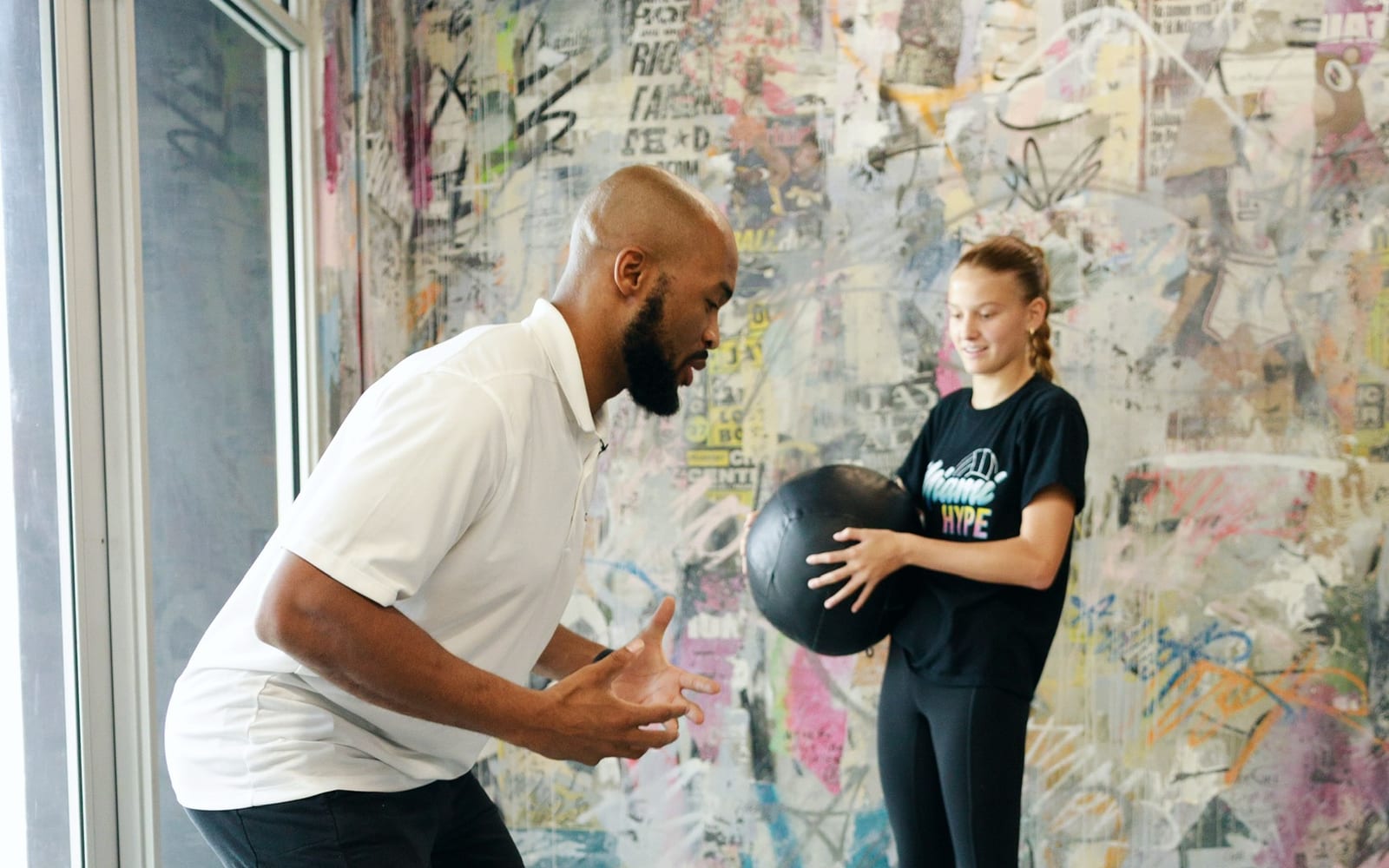
After ACL reconstruction, quad atrophy and inhibition are normal early on. What is not normal is carrying that weakness into month four, six, or nine and expecting the knee to feel stable.
Your quad controls knee extension, absorbs force when you land, and supports deceleration. Without it, the knee takes stress it was not built to handle alone. Pain shows up at the patellofemoral joint, around the graft, or deep in the joint line.
The fix: Progressive quad loading—isometrics, tempo work, split squats, leg press variations, and eventually heavier single-leg work. We track limb symmetry. I need more from the operated side before we rush running or cutting. Push, but with a plan.
If you are still early in the timeline, read our ACL rehab timeline guide so you know what phase you should actually be in.
Cause 2: Patellofemoral Irritation
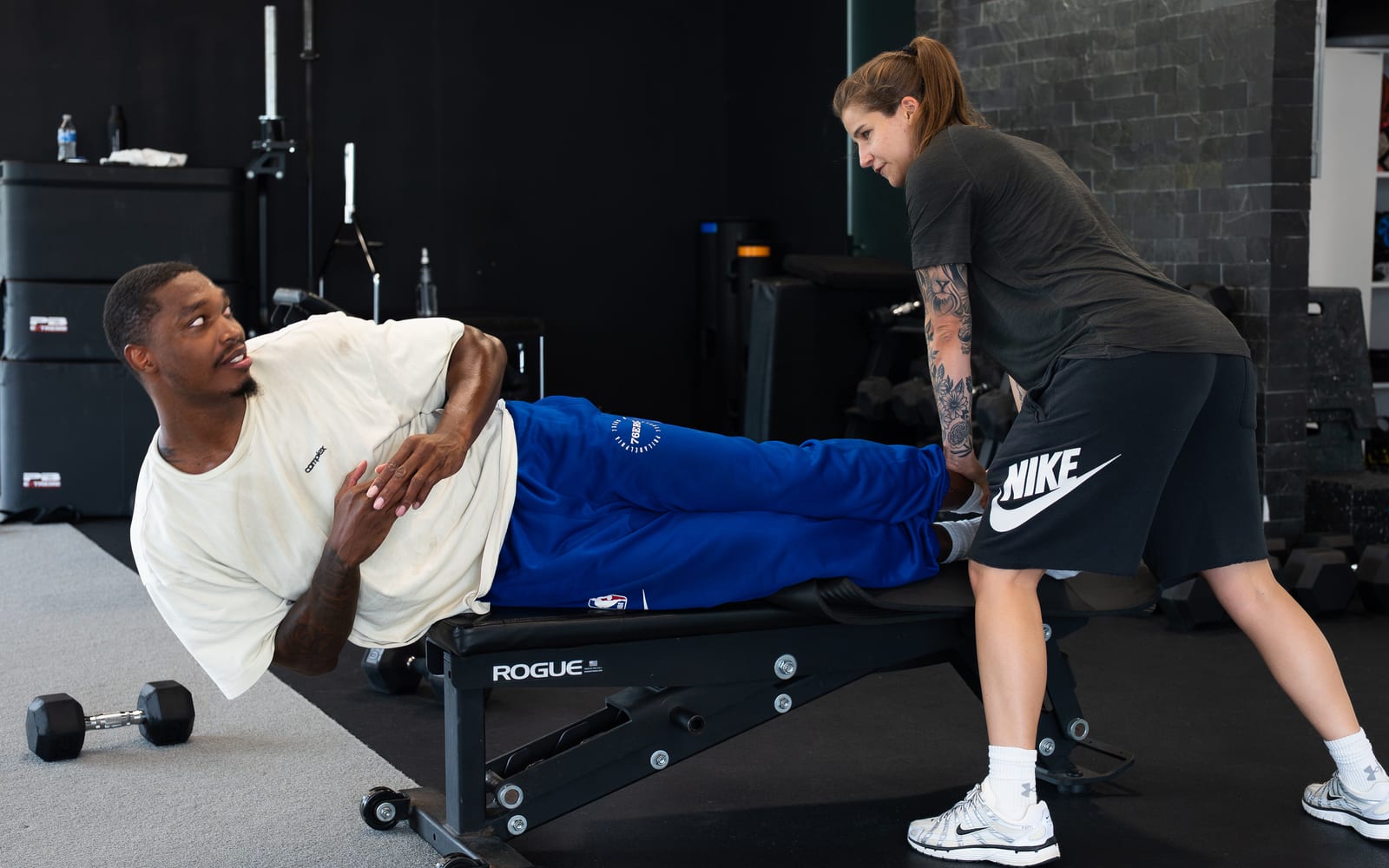
Anterior knee pain—especially around the kneecap or front of the joint—is common after ACL surgery. Swelling, altered gait, quad weakness, and tightness through the front of the thigh can all increase patellofemoral stress.
Athletes often describe this as pain going up or down stairs, after sitting, or at the bottom of a squat.
The fix: Restore full extension, improve quad control through range, adjust loading angles temporarily, and address hip and ankle mechanics that change how force hits the knee. Stabilize the pelvis. Control the descent. Breath through the hard reps.
Cause 3: Hamstring or Graft-Site Sensitivity
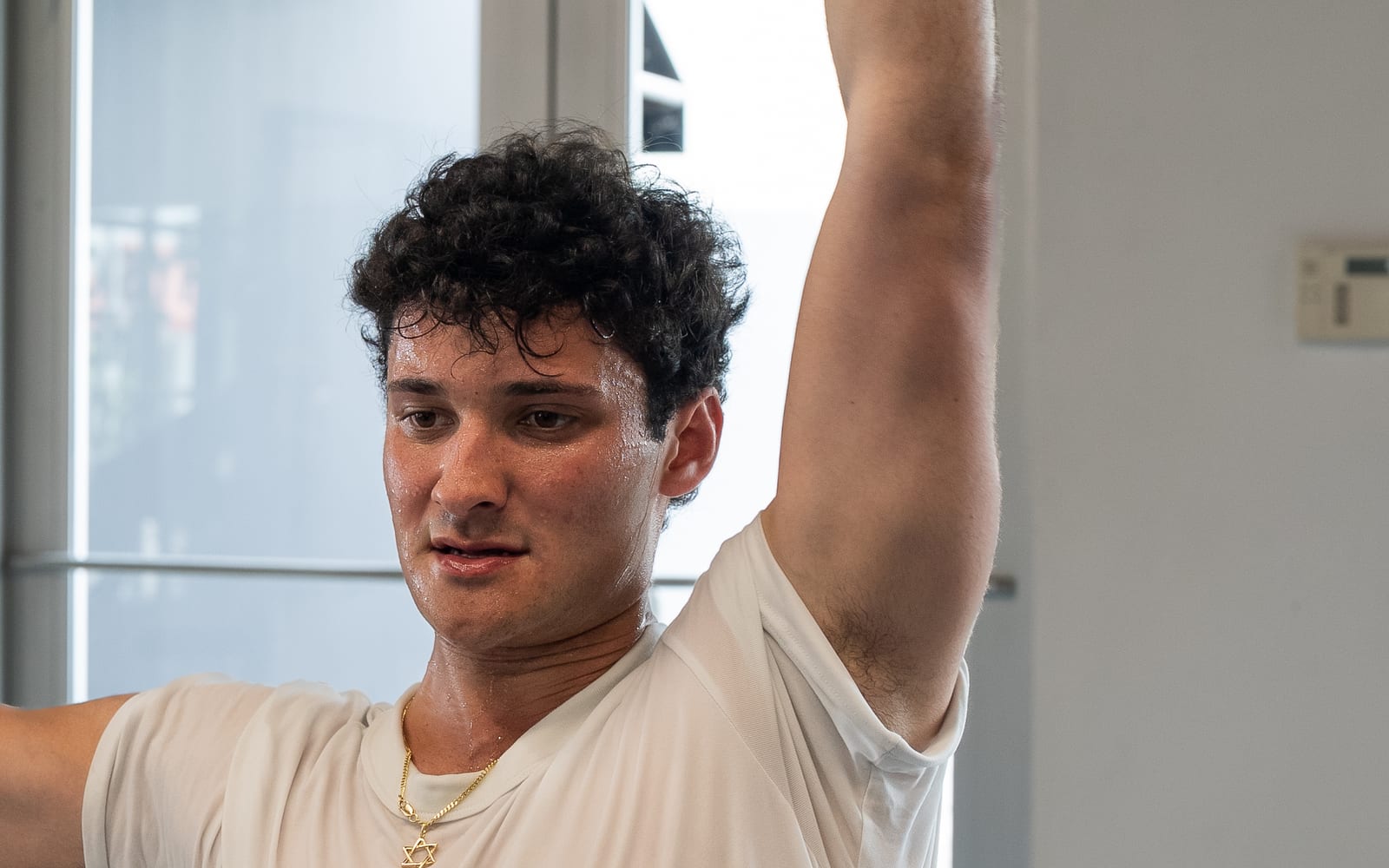
If your surgeon used a hamstring or patellar tendon graft, the donor site can stay sensitive for months. That does not always mean reinjury. It can mean the tissue is still adapting to load.
The fix: Gradual hamstring and posterior-chain loading, not avoidance. We progress length, speed, and volume based on response—not fear. If symptoms spike, we adjust dosage. We do not shut everything down for six weeks unless we have to.
Cause 4: Swelling and Joint Effusion
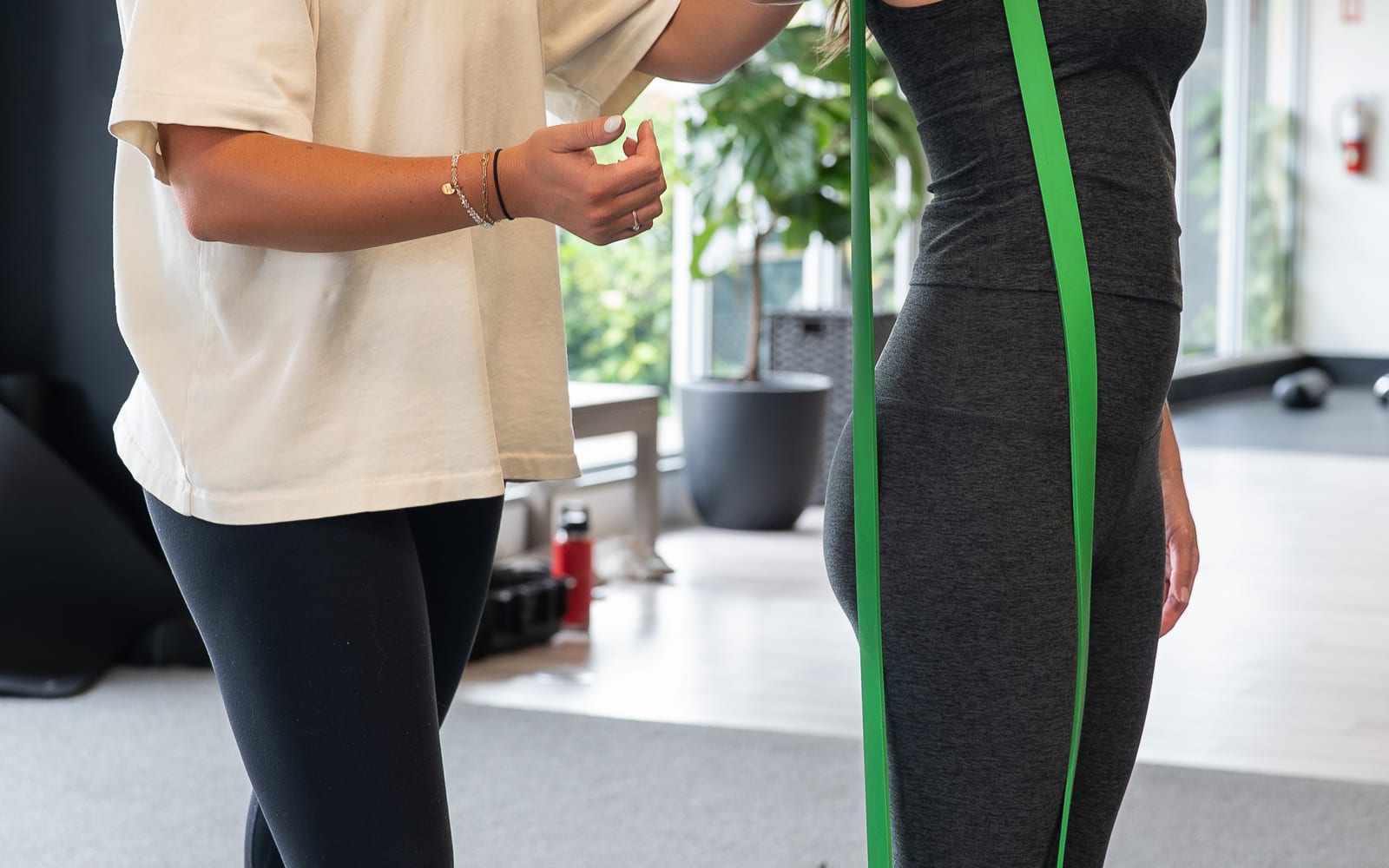
Persistent swelling changes how the knee feels and moves. It also slows strength gains. Many athletes ignore low-grade swelling because they can still "function." That is a mistake.
The fix: Manage training volume, prioritize recovery, use appropriate loading, and track swelling response after sessions. If effusion keeps returning, your program is ahead of your capacity. Calm it down. Rebuild the base. Then progress again.
Cause 5: Movement Compensations
After surgery, people shift weight, shorten stride, avoid depth, or cut corners on single-leg work. Those compensations become habits. The knee might be "healed," but the system is still protecting.
The fix: Film your squats, steps, and landings. Clean up valgus collapse, hip drop, and trunk rotation. We load your hip into the frontal plane to build your capacity to control and absorb force, redirect, and generate power when you cut and change direction on the court. Training only forward and back will not prepare you for sport.
Cause 6: Returning Too Soon
Pain after ACL surgery often spikes because the athlete returned to sport before the knee could handle sport demands. Clearance on a calendar is not the same as readiness on the field.
The fix: Use objective return-to-play criteria—strength symmetry, hop quality, movement control, and sport-specific exposure. Our return-to-play testing guide breaks down what we look for before clearing anyone.
Cause 7: Ignoring Small Pains Until They Become Bigger Issues
This is one of the top mistakes I see. Athletes grab a massage gun, push through a dull ache, or skip their home program because they feel "mostly fine." Small irritations become bigger setbacks.
The fix: Communicate early. Adjust load. Stay consistent with homework. Rehab is an up-and-down process. You need to remain calm through the fluctuations—but calm does not mean ignoring red flags.
Quick Takeaways
- Knee pain after ACL surgery is common and often tied to strength, swelling, or load—not always graft failure.
- Quad weakness is the most frequent limiter I see in clinic.
- Patellofemoral irritation, graft-site sensitivity, and effusion all need specific management.
- Compensations and sagittal-plane-only training leave athletes unprepared for cutting sports.
- Returning before meeting criteria increases pain and reinjury risk.
- Massage guns and passive work alone will not rebuild capacity.
- Smart progressive loading is the long-term fix.
FAQs
1. Is knee pain normal months after ACL surgery?
Some discomfort can be normal during loading progression. Sharp pain, significant swelling, or pain that worsens week after week needs assessment.
2. Should I stop training if my knee hurts?
Not always. We often modify exercise selection, range, or load rather than stopping completely. The goal is controlled loading, not avoidance.
3. When should I worry about my graft?
Sudden giving way, major swelling after a twist, or instability with daily activities warrants immediate evaluation.
4. Can dry needling help knee pain after ACL surgery?
It can help manage muscular trigger points and improve tissue quality when paired with loading. It is not a substitute for strength work. See when dry needling helps.
5. How do I know if I am ready to run again?
When quad strength, swelling control, and single-leg mechanics support it—not when a date on a calendar says so.
References
- Ardern, C. L., et al. (2016). "2016 Consensus Statement on Return to Sport." British Journal of Sports Medicine.
- Webster, K. E., & Hewett, T. E. (2020). "Return to Sport Tests' Prognostic Value for Reinjury Risk after ACL Reconstruction." Medicine & Science in Sports & Exercise.
- van Melick, N., et al. (2016). "Evidence-based clinical practice update: ACL rehabilitation guidelines." British Journal of Sports Medicine.
- Logerstedt, D. S., et al. (2010). "Knee stability and movement coordination impairments: knee ligament sprain." Journal of Orthopaedic & Sports Physical Therapy.
Let's get you better. Schedule your sports rehab assessment with Anderson or reach out for details on booking an evaluation.
Ready to Start Your Journey?
Tell us your goals and we'll build a personalized plan to get you moving, stronger, and performing at your best.