

Meniscus Surgery Recovery: Return to Cutting Sports
Meniscus surgery is not one recovery. A partial meniscectomy, a repair, or a combined ACL and meniscus procedure all have different timelines, precautions, and return-to-sport demands.
What they share: cutting sports require more than pain-free walking. Football, basketball, tennis, and soccer demand deceleration, rotation, and single-leg force production. If your rehab only prepared you to move forward and back, you are not ready to cut.
Here is how we approach meniscus surgery recovery for athletes who need to return to pivoting and contact.
Know Your Procedure First
Meniscectomy (tissue removed): Often faster progression for loading, but the knee loses some meniscal function. Long-term strength and load management matter more.
Meniscus repair: Slower progression. Flexion limits, weight-bearing restrictions, and graft healing windows must be respected. Rushing kills repairs.
Combined with ACL reconstruction: Follow the slower protocol. Meniscus healing and graft protection both dictate pace.
Your surgeon's protocol is the floor. Our job is to build capacity on top of it—not ignore it.
Phase 1: Restore Range and Control Swelling
Early priorities:
- Full extension (especially after surgery—extension loss compounds everything downstream)
- Flexion within protocol limits
- Quad activation and swelling management
- Normal gait without compensations
Persistent effusion slows strength gains. Do not ignore low-grade swelling because you can "get around." Control. Stabilize. Progress when the joint responds well.
Phase 2: Rebuild Strength Symmetry
Quad strength is the foundation for any cutting sport return. We track limb symmetry for:
- Knee extension and flexion strength
- Single-leg squat and step-down quality
- Hip abduction and extension
- Calf and hamstring capacity
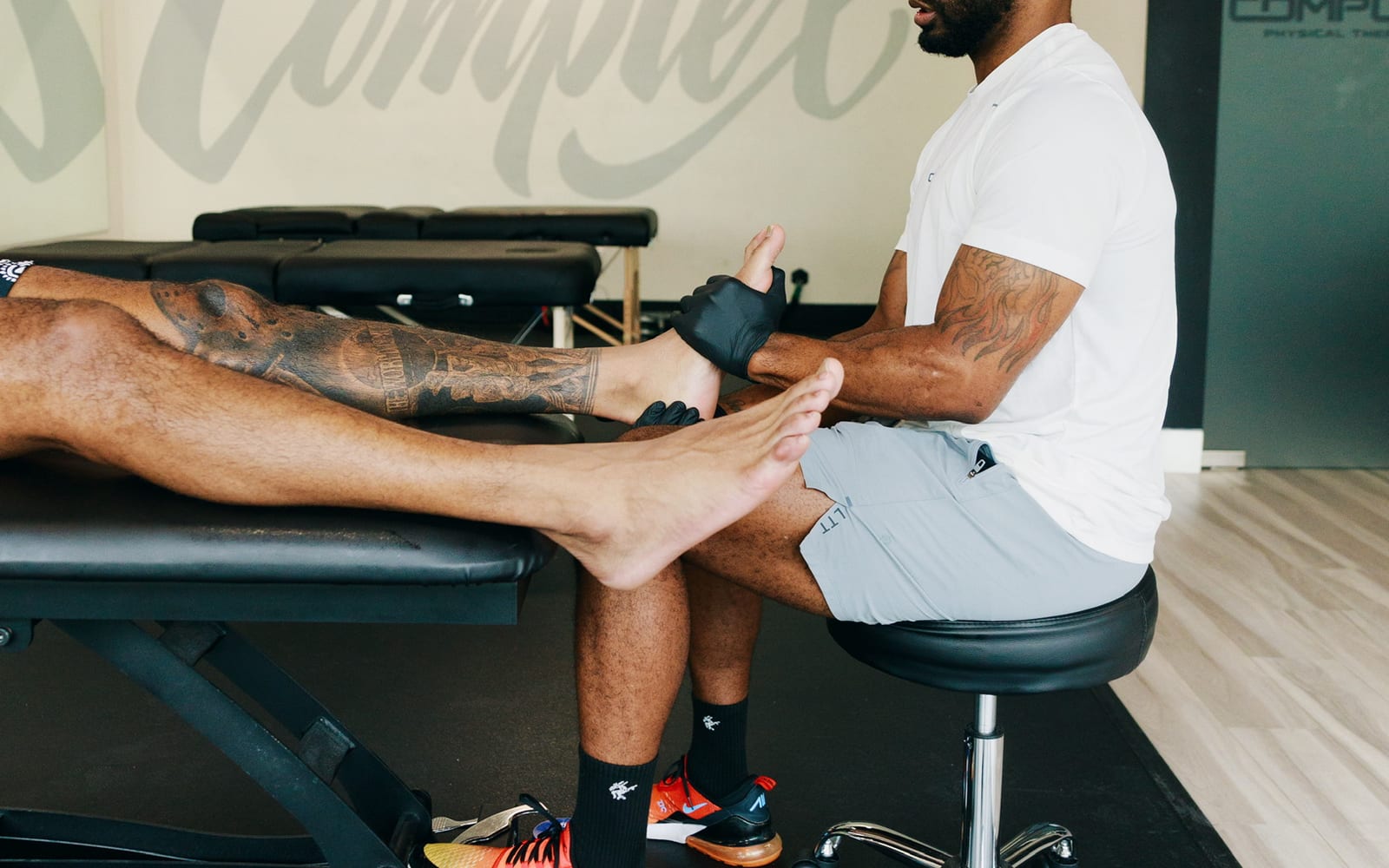
Passive table work helps tissue quality early. Capacity comes from loading. Push when form is clean. I need more from the surgical side before we add speed.
If knee pain persists during this phase, review common drivers in knee pain after ACL surgery—many principles apply to post-meniscus athletes too, even without ACL involvement.
Phase 3: Single-Leg and Multi-Planar Loading
Cutting sports are not sagittal-plane sports. After baseline strength:
- Lateral lunges and crossover steps
- Rotational control drills
- Deceleration progressions
- Frontal-plane hip loading for change of direction
We load your hip into the frontal plane to build your capacity to control and absorb force, redirect, and generate power when you cut and change direction on the court. Training only leg press and straight-line jogging will not prepare you for sport.
Phase 4: Plyometrics and Running Progressions
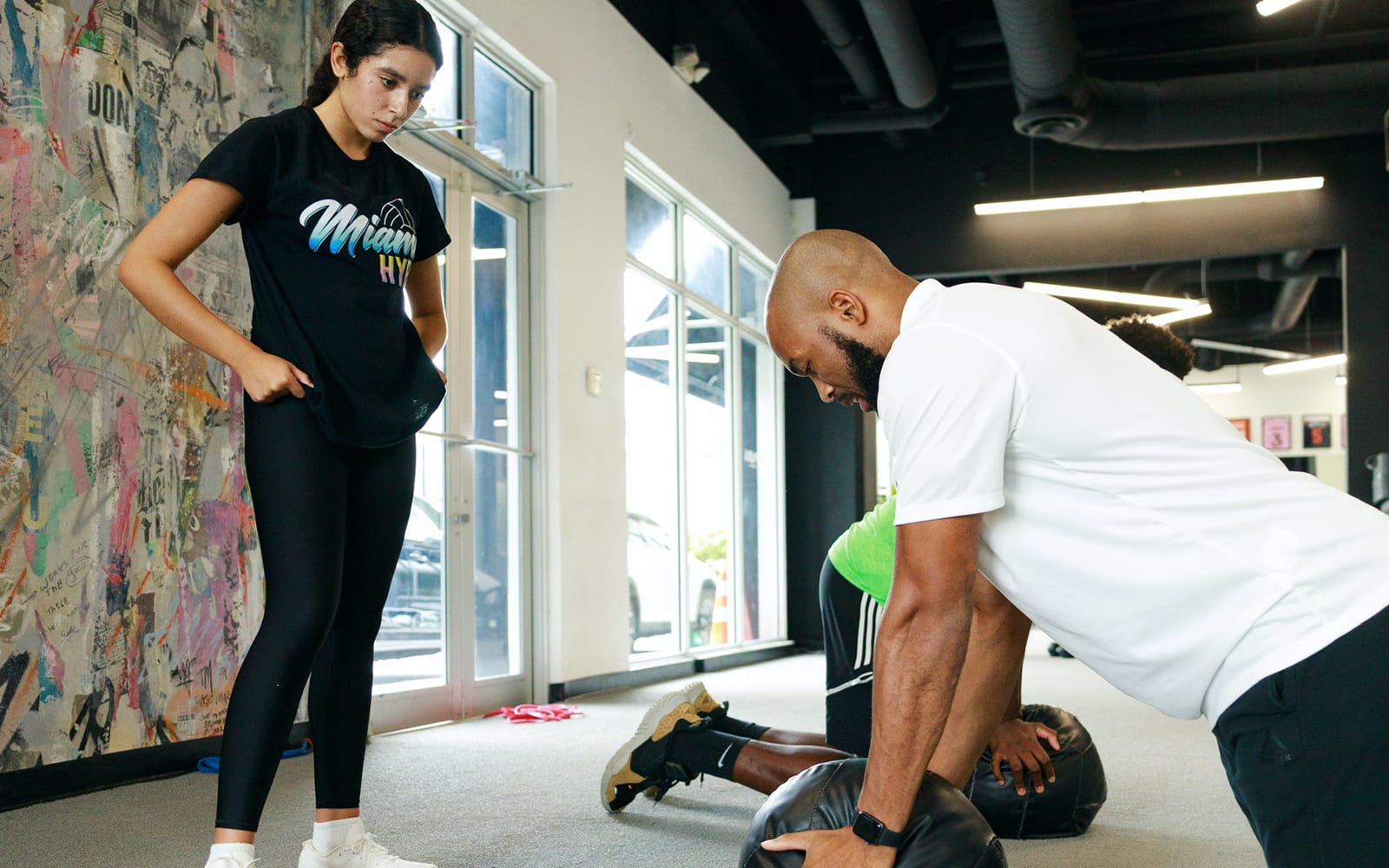
Return to run and jump only when:
- Strength symmetry supports it
- Swelling stays controlled after loading sessions
- Single-leg landings look clean on video
Progress from double-leg hops → single-leg sticks → reactive bounds → sport-specific volume.
Pair this with return-to-play testing before full clearance.
Phase 5: Sport Return and Load Management
Practice exposure should be graded—not all-in because the surgeon said you are healed.
Watch for:
- Pain or swelling 24–48 hours after cutting drills
- Instability or giving-way sensations (see why knees feel unstable)
- Asymmetry when fatigued
Avoid the mistakes that delay every post-op comeback: skipping homework, ignoring small pains, and returning on calendar dates instead of criteria. Our post-op rehab mistakes guide applies here directly.
Quick Takeaways
- Meniscus recovery depends on procedure type—repair vs. meniscectomy vs. combined surgery.
- Extension, quad strength, and swelling control are early priorities.
- Cutting sports require multi-planar strength—not just straight-line fitness.
- Hop, landing, and deceleration progressions come before full sport return.
- Criterion-based clearance beats arbitrary timelines.
- Home program consistency between sessions drives progress.
- Load management after return prevents flare-ups and setbacks.
FAQs
1. How long until I can run after meniscus surgery?
Varies by procedure. Meniscectomy patients often progress faster than repair patients—always follow surgeon guidelines first.
2. Can I squat after meniscus surgery?
Usually yes, with progressive depth and load based on healing stage and symptom response.
3. Will I get arthritis after meniscus surgery?
Meniscal injury and surgery increase long-term joint stress risk—strength and load management help mitigate that.
4. When can I return to basketball or football?
When strength, hop, movement, and sport-specific exposure criteria are met—often many months for repairs.
5. Should I wear a brace?
Depends on procedure and surgeon preference. Braces do not replace rebuilding capacity.
References
- McDermott, I. D., & Amis, A. A. (2006). "The consequences of meniscectomy." Journal of Bone & Joint Surgery.
- Stein, T., et al. (2010). "Long-term outcome after arthroscopic meniscal repair." Arthroscopy.
- Faun, P., & Christensen, S. W. (2017). "Meniscal repair or resection?" Danish Medical Journal.
- Andrish, J. T., & Chiaia, T. A. (2017). "Meniscus repair and regeneration." Clinics in Sports Medicine.
Let's get you better. Schedule your sports rehab assessment with Anderson or reach out for details on booking an evaluation.
Ready to Start Your Journey?
Tell us your goals and we'll build a personalized plan to get you moving, stronger, and performing at your best.