

Why Your 'Healed' Knee Still Feels Unstable
Your MRI looks clean. Your surgeon says you are healed. But every cut, landing, or sudden stop still makes you hesitate. That unstable feeling in your knee is real—even when imaging says you should be fine.
Knee instability after injury is usually not one problem. It is a combination of strength deficits, poor force control, swelling, and a nervous system that does not trust the leg yet. Rehab is an up-and-down process. You need to remain calm through it—but calm does not mean pretending the instability is all in your head.
Here is what is actually going on, and what we do about it.
Instability Is Not Always Structural
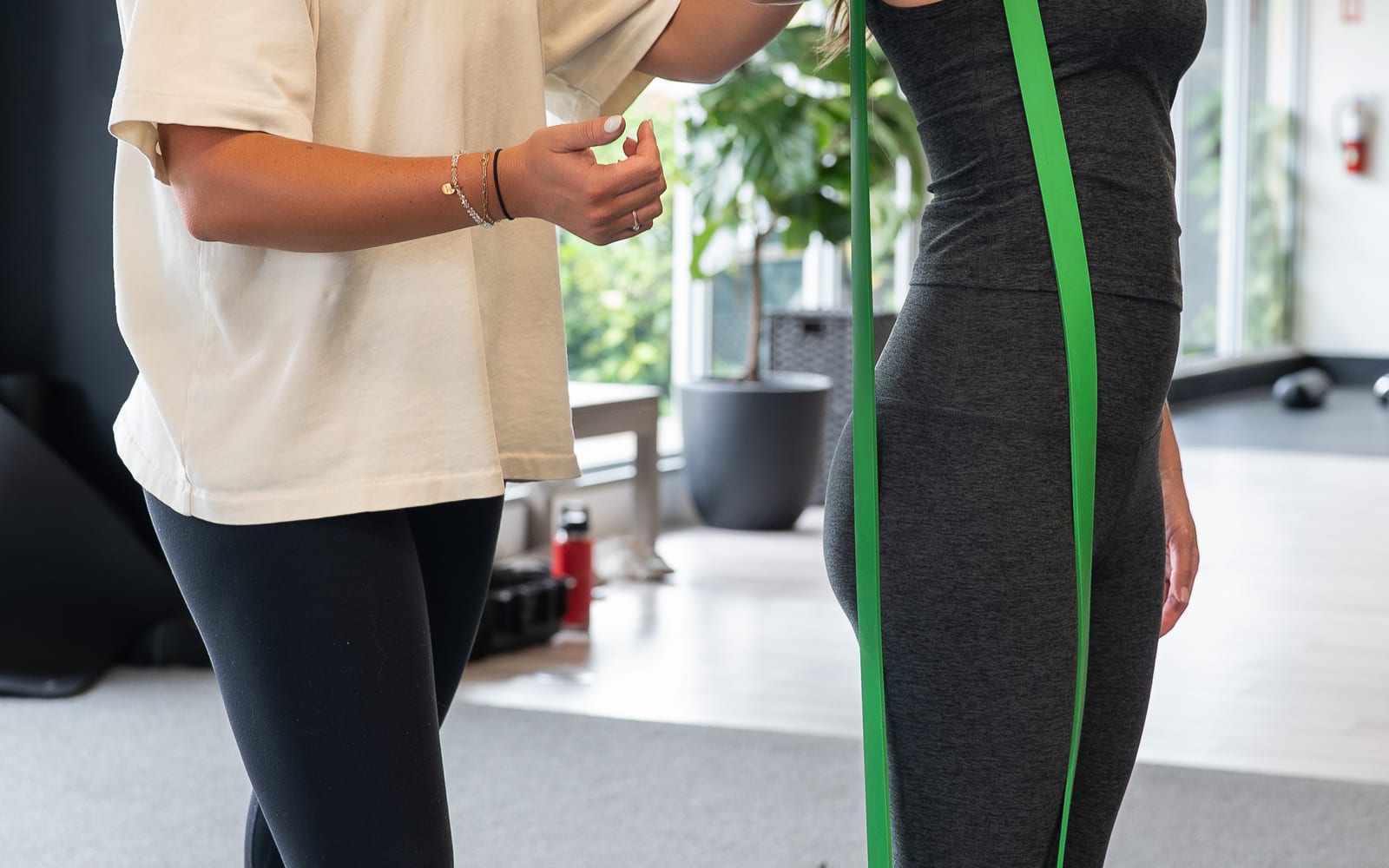
When people say their knee feels unstable, they often assume the ligament failed or the joint is "loose." Sometimes that is true. Often it is not.
Functional instability means the knee cannot control force under load—even if passive tests look acceptable. That shows up as:
- Hesitation when changing direction
- Giving-way sensations during deceleration
- Avoiding the injured leg when landing
- Swelling after activity
- Poor single-leg control on squat or step-down tests
Your brain is protecting you because the system has not proven it can handle stress yet. Control. Stabilize. Then load harder.
Cause 1: Quad and Hip Strength Deficits
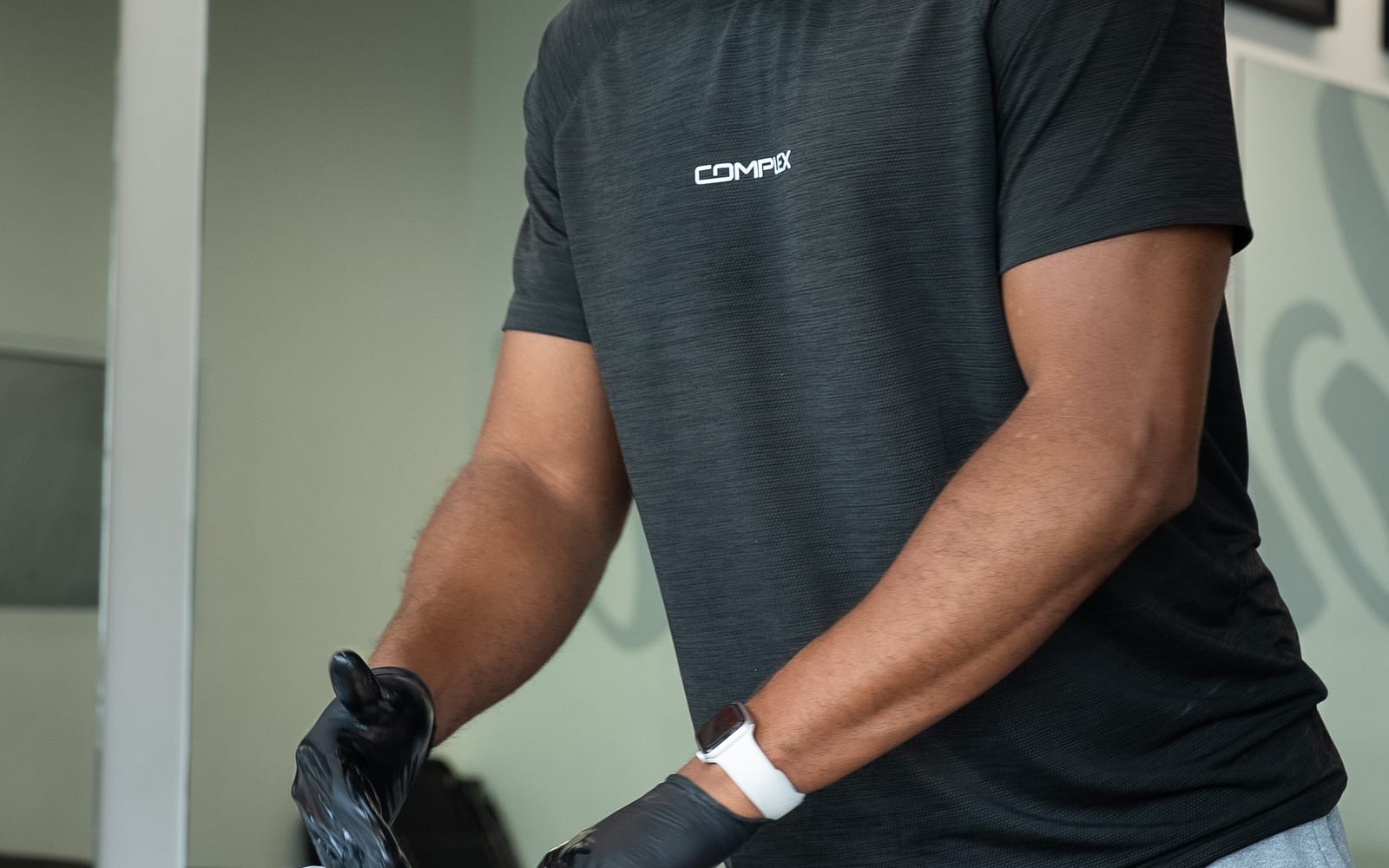
The quad is your knee's primary stabilizer during landing and deceleration. If it is weak—or significantly weaker than the other side—the knee will feel unreliable.
Hip strength matters too. Glute medius and max weakness allows the knee to cave inward during single-leg tasks. That creates a wobbly, unstable sensation even when the ligament is intact.
The fix: Progressive single-leg strength, tempo work, and lateral/rotational loading. We are loading your hip into the frontal plane to build your capacity to control and absorb force, redirect, and generate power when you cut and change direction on the court. Keep going—but with structure.
Cause 2: You Only Trained in the Sagittal Plane
Forward and back is not sport. Football, basketball, tennis, and soccer require cutting, pivoting, and absorbing force from angles your straight-line rehab never prepared you for.
If your program was all leg press, bike, and straight-line jogging, your knee may be "strong" in one direction and useless in the ones that matter.
The fix: Lateral steps, crossover work, deceleration drills, and graded change-of-direction progressions. Build capacity in the planes your sport actually uses.
Cause 3: Swelling and Irritation
Low-grade effusion changes proprioception—the joint's ability to sense position. A swollen knee often feels unstable even when strength is improving.
The fix: Manage volume, prioritize recovery, and do not stack hard sessions when swelling keeps returning. Tighten your core, control the landing, and respect the tissue response.
Cause 4: Fear and Guarding (Kinesiophobia)
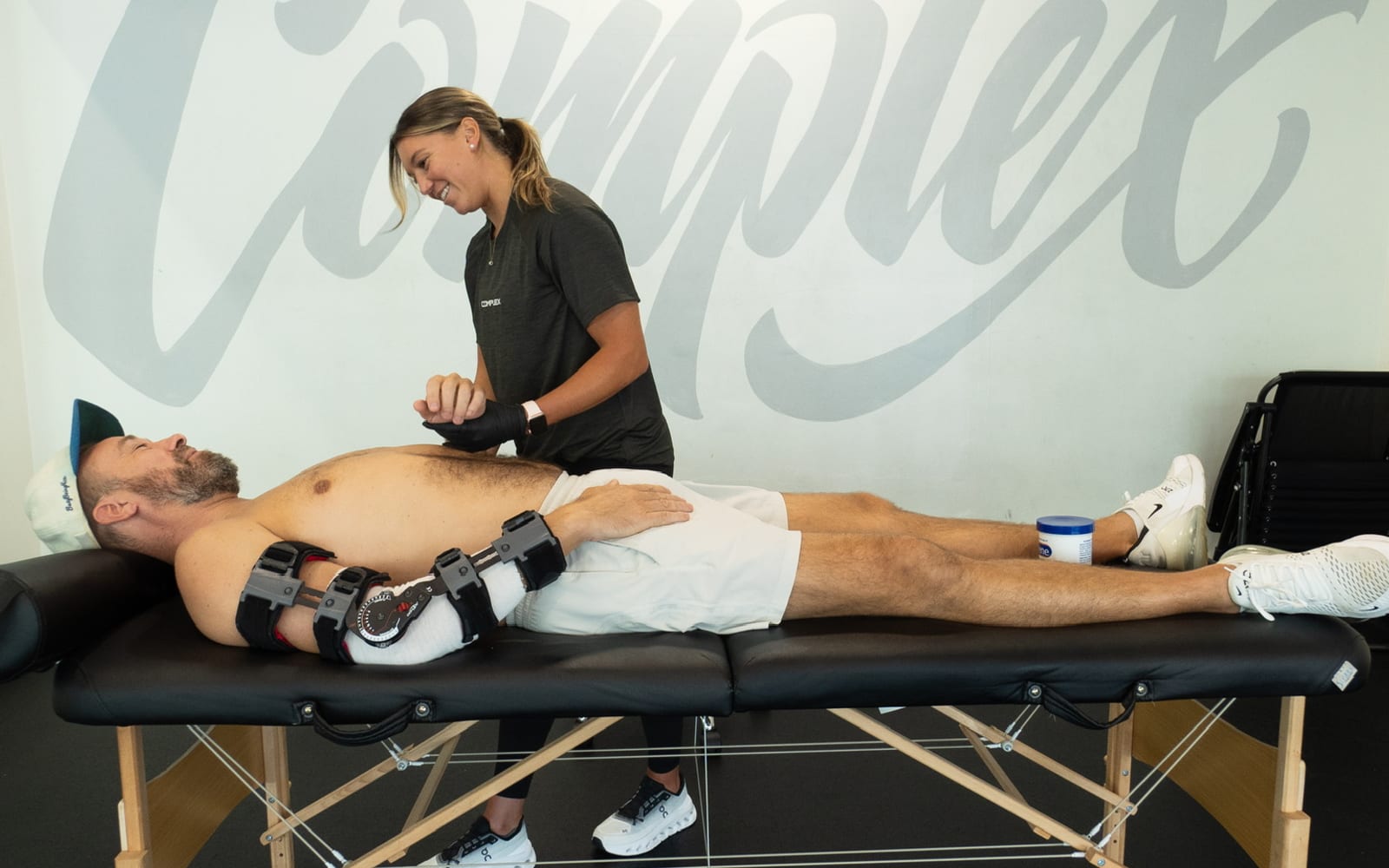
After a serious knee injury, fear is normal. But fear changes movement. Athletes stiffen up, shorten stride, and avoid loading the leg. That makes instability worse.
The fix: Gradual exposure, objective testing, and small wins that rebuild trust. When you see symmetrical hop data and clean landings on video, confidence follows. Pair this with our return-to-play testing metrics so progress is measurable—not emotional.
Cause 5: Returning Before Capacity Matches Demand
If you went back to sport before strength, hop symmetry, and movement quality supported it, instability is expected. The knee is telling you the truth.
The fix: Step back to the appropriate phase. Rebuild. Retest. Progress again. There is no shame in doing this right. There is risk in faking readiness.
For ACL athletes specifically, review knee pain after ACL surgery and the full ACL return-to-sport timeline.
Quick Takeaways
- A "healed" knee can still feel unstable when strength and control lag behind.
- Quad and hip weakness are major drivers of functional instability.
- Sagittal-plane-only training leaves athletes unprepared for cutting sports.
- Swelling and fear both change how stable the knee feels.
- Instability often means capacity has not caught up to demand—not that you failed.
- Progressive loading in multiple planes rebuilds trust in the joint.
- Objective testing beats guessing.
FAQs
1. Does instability always mean my ACL graft failed?
No. Many athletes feel unstable due to strength deficits, swelling, or fear despite an intact graft.
2. Will instability go away on its own?
Sometimes with time and activity, but targeted strength and control work is much more reliable.
3. Should I wear a brace?
Braces can help in specific phases or sports, but they should not replace rebuilding capacity.
4. How long until my knee feels normal?
It depends on strength, sport demands, and consistency with rehab. Months, not weeks, for most athletes.
5. Can I train through instability?
Only with modifications and a clear plan. Random training through giving-way episodes is how setbacks happen.
References
- Webster, K. E., & Feller, J. A. (2018). "Development and Validation of the ACL-RSI Scale." Physical Therapy in Sport.
- Ardern, C. L., et al. (2016). "2016 Consensus Statement on Return to Sport." British Journal of Sports Medicine.
- Paterno, M. V., et al. (2010). "Biomechanical measures during landing and postural stability predict second anterior cruciate ligament injury." American Journal of Sports Medicine.
- Dingenen, B., & Gokeler, A. (2017). "Optimization of the return-to-sport paradigm after ACL reconstruction." Sports Medicine.
Let's get you better. Schedule your sports rehab assessment with Anderson or reach out for details on booking an evaluation.
Ready to Start Your Journey?
Tell us your goals and we'll build a personalized plan to get you moving, stronger, and performing at your best.