

Why the Best Rehab Looks Like Strength Training
If your rehab plan is just rest, ice, light bands, and "come back in two weeks," I need you to raise an eyebrow. Maybe both eyebrows. Because if your goal is to get back to training, sport, lifting, running, or feeling strong in your body, then rehab has to eventually look like strength training.
Not reckless training. Not ego lifting. Not loading pain like we are trying to prove a point. I mean structured, progressive, measurable strength work that rebuilds capacity.
The best strength training for rehab blends clinical reasoning with performance coaching. It respects tissue healing, but it does not stop at "pain is gone." Pain-free is nice. Strong, confident, and ready is better. Let's get it.
Rest Is Not a Plan
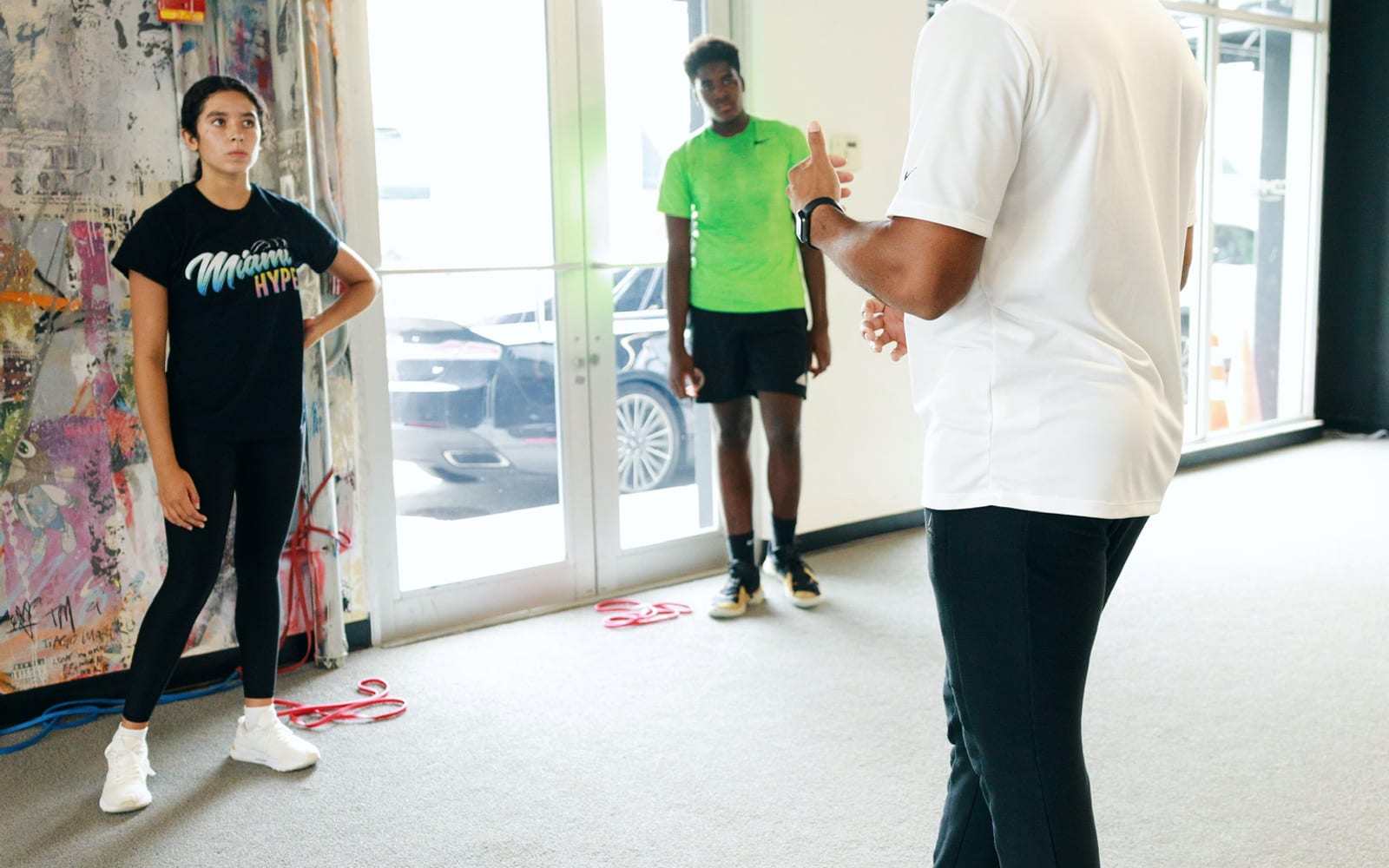
Rest can calm symptoms. It can give irritated tissue a break. Sometimes it is necessary. But rest does not rebuild strength, coordination, tendon capacity, power, or confidence.
Here is the problem: many people rest until they feel better, then go right back to the activity that overwhelmed them. Nothing about the system changed. Same body, same load, same mechanics, same outcome. Then they say, "It came out of nowhere."
No, it did not. It came from a missing plan of care.
If you are frustrated because you have been told to stop everything without being shown how to rebuild, you are not crazy. You are underloaded.
Rehab Has Phases
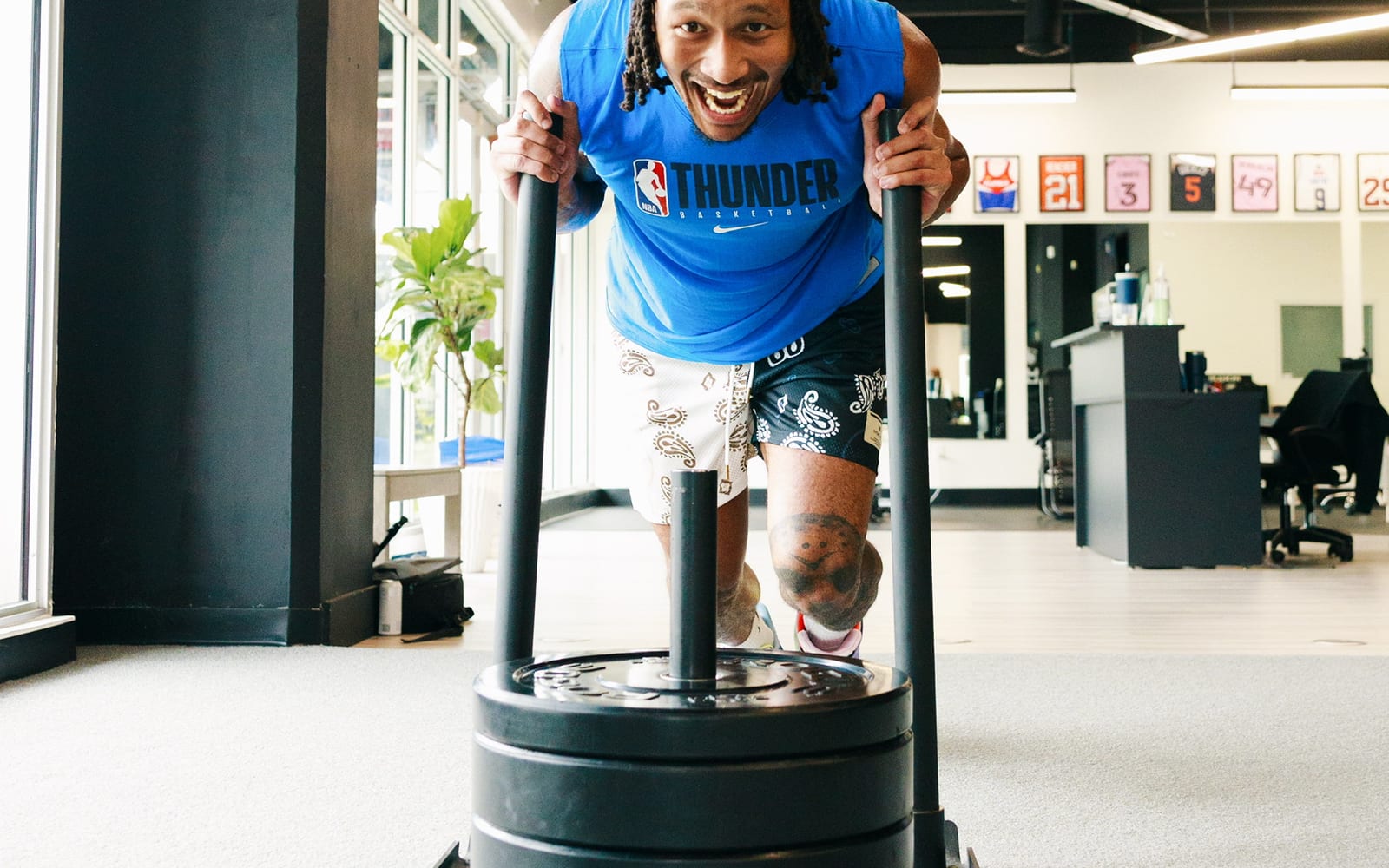
A good rehab plan usually moves through phases:
- Calm symptoms and restore basic motion
- Rebuild strength in controlled positions
- Add heavier loading and more range
- Restore speed, power, and elasticity
- Reintroduce sport or training demands
- Test readiness before full return
The first phase may not look like strength training. That is fine. But if you never leave the first phase, you are stuck.
This is exactly why Return to Sport: Rebuild Without Re-Injury matters. The bridge from rehab to performance has to be intentional.
Progressive Loading Is the Secret Sauce
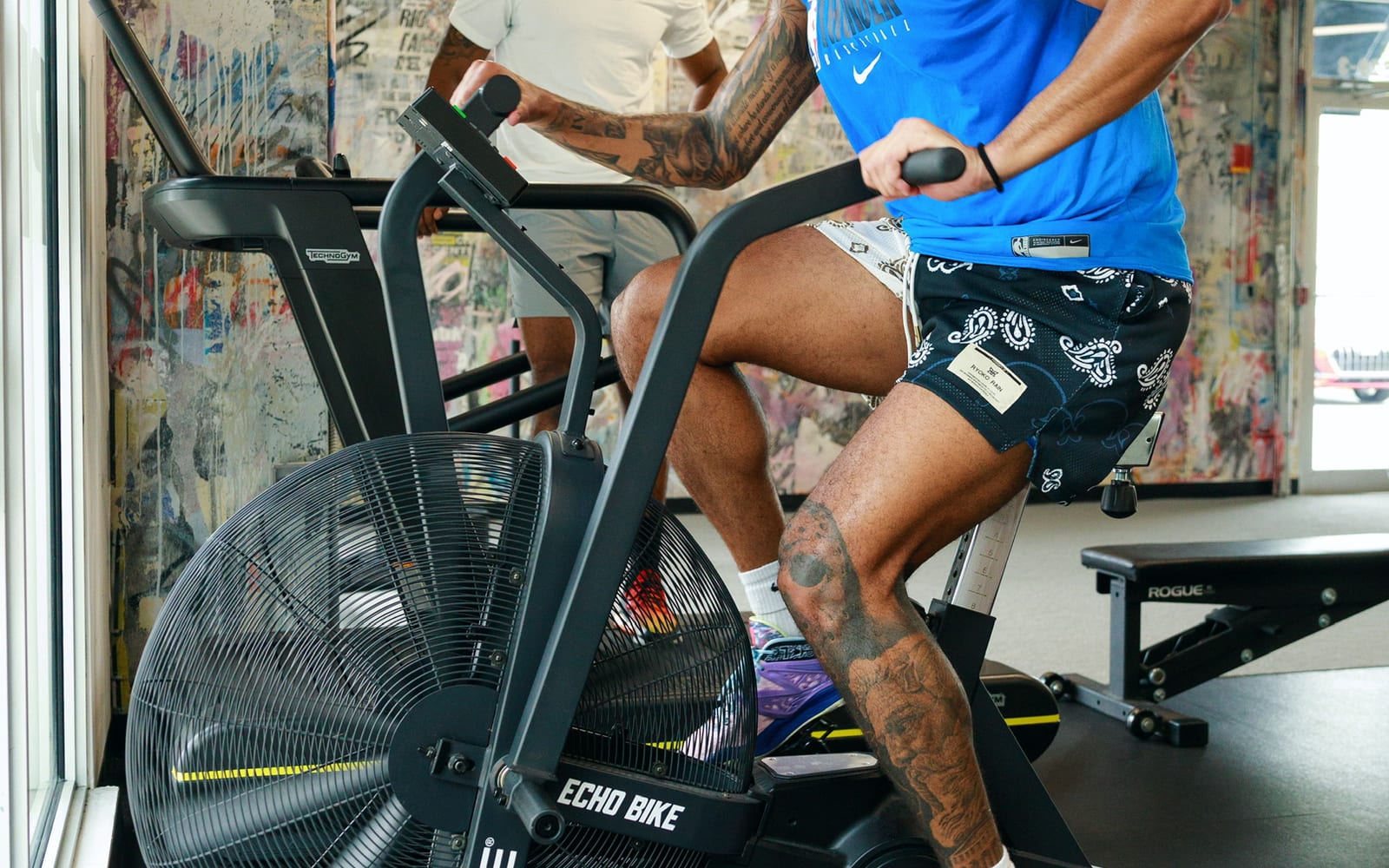
Progressive loading means the body is exposed to gradually increasing demand. Muscles, tendons, bones, joints, and the nervous system adapt when the stress is appropriate.
That does not mean every session gets heavier. It means the overall plan progresses:
- More range
- More load
- More speed
- More complexity
- More volume
- More sport-specific stress
Research in ACL rehab has shown that strength and neuromuscular training are key parts of return-to-sport preparation. Studies also show that many rehab programs underdose resistance training intensity, stopping at endurance or hypertrophy ranges without progressing toward true strength and power.
Translation: if you want to perform, your rehab cannot forever live in the land of three sets of ten with a tiny band.
Strength Training Rebuilds Confidence
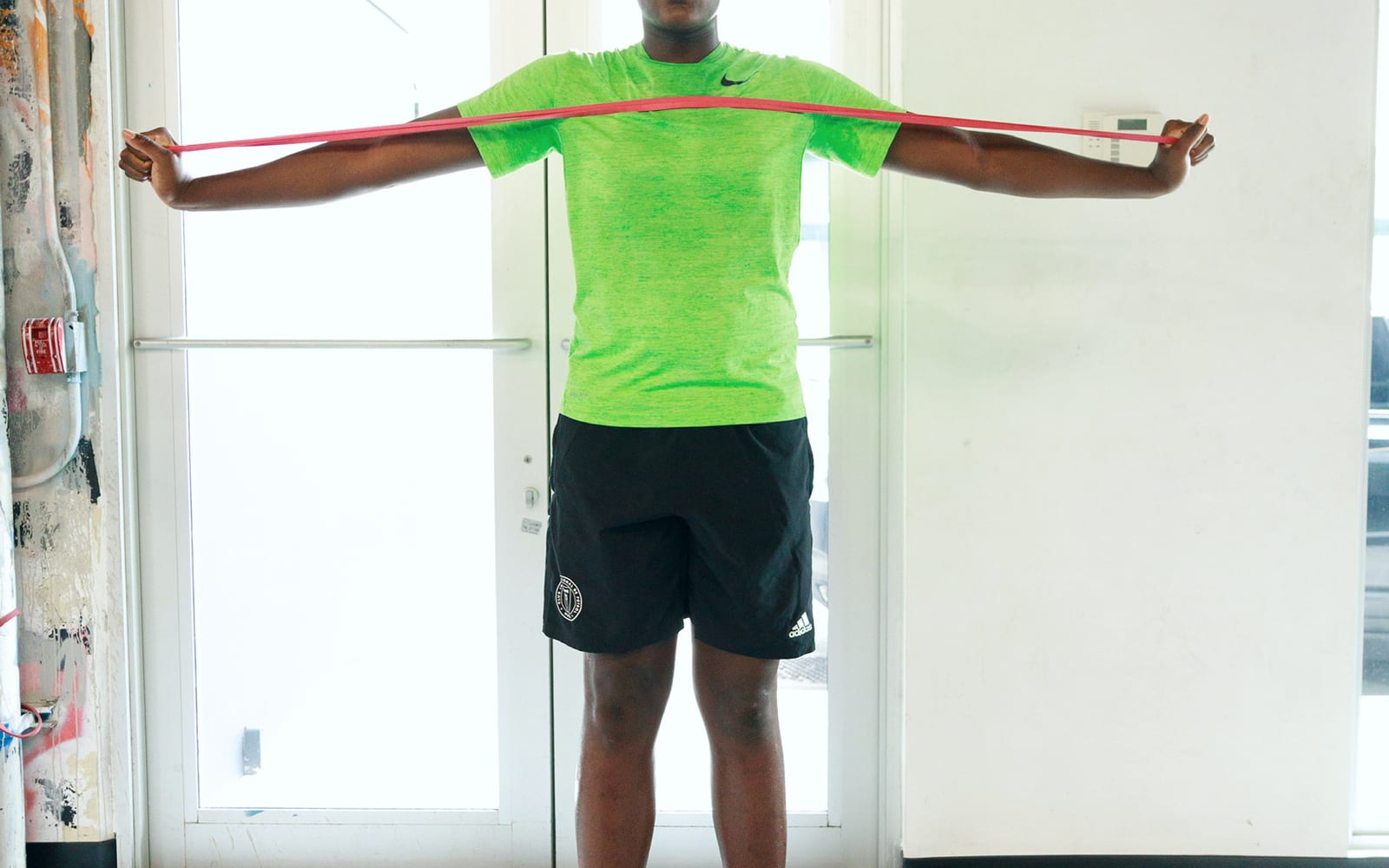
When you are injured, your brain starts protecting you. That is normal. But if you never prove to the nervous system that the body can tolerate load again, fear stays in the driver's seat.
Strength training gives you proof:
- I can squat without pain.
- I can hinge with control.
- I can land and absorb force.
- I can push, pull, carry, and rotate.
- I can trust this side again.
Confidence is not built by hoping. It is built by stacking objective wins.
Performance Coaching Makes Rehab Better
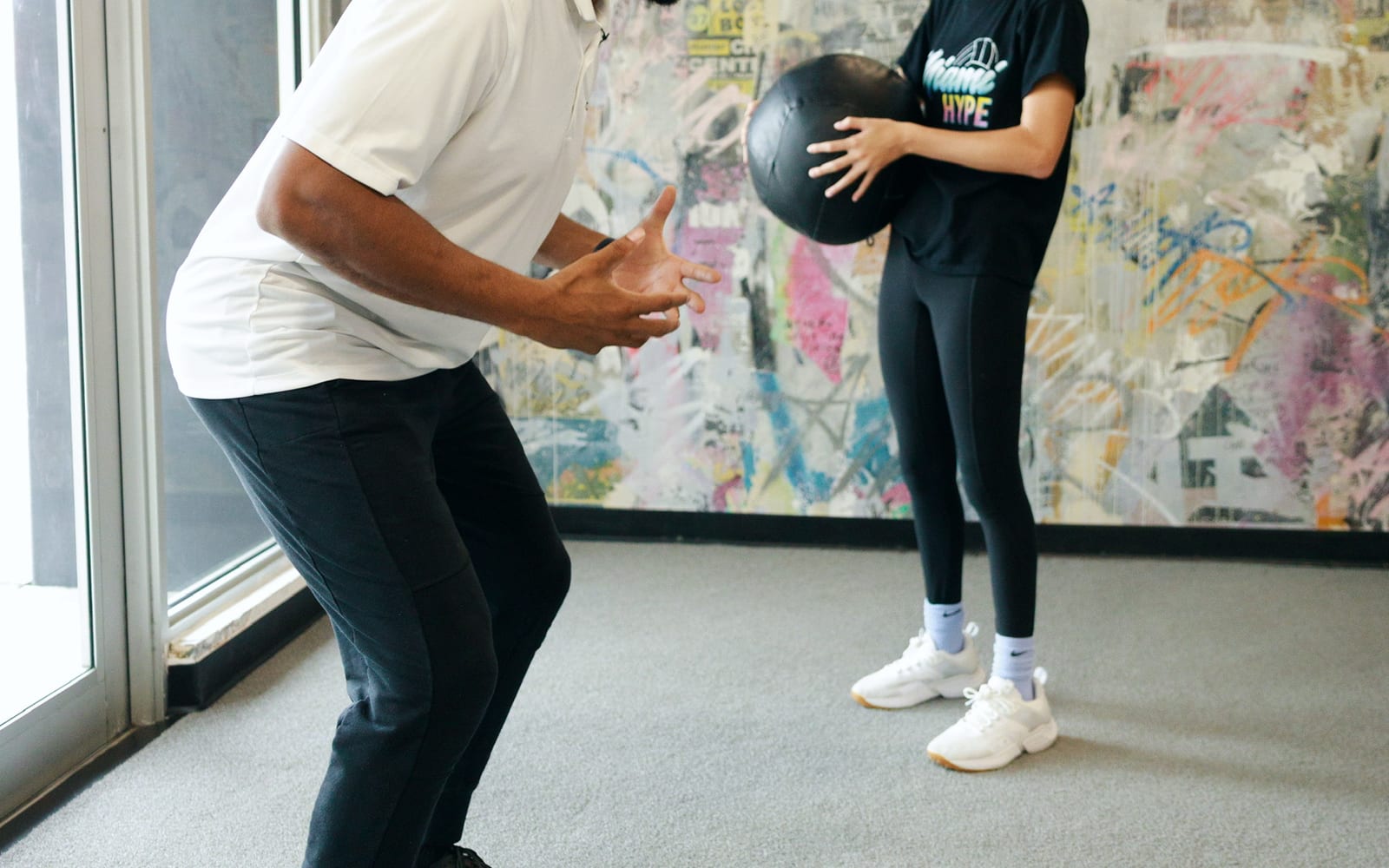
Performance coaching asks better questions:
- What does this person's sport or lifestyle demand?
- What positions do they need?
- What forces do they need to absorb?
- What speeds do they need to handle?
- What does the next progression look like?
That is why rehab should be individualized. A runner with knee pain, a lifter with shoulder pain, and a soccer player after a hamstring strain do not need the same template.
We are doing this simply because it's best for your function, but also because it's what I chose: your rehab should match your actual life. Not the average person. Not the protocol printout. You.
What Strength-Based Rehab Looks Like
A strength-based plan may include:
- Isometrics to reduce pain and start loading
- Tempo work for control
- Heavy slow resistance for tendon capacity
- Single-leg strength for symmetry
- Carries for trunk and grip integration
- Plyometrics for elasticity
- Sprint or sport progressions when appropriate
- Testing to guide readiness
The exact mix depends on the injury, timeline, goals, and response. If shoulder pain is limiting your bench, the plan should look different than a hamstring return-to-sprint plan. If you want the shoulder-specific version, read Shoulder Pain in the Gym: How to Bench and Press Without Losing Training Time.
When Rehab Should Not Be Heavy Yet
There are times when heavy loading is not appropriate:
- Acute injury with high irritability
- Post-op restrictions
- Sharp or worsening pain
- Swelling that increases after sessions
- Poor movement control
- Red-flag symptoms
This is where clinical judgment matters. The goal is not "always lift heavy." The goal is the right dose at the right time.
Quick Takeaways
- Rest can reduce symptoms, but it does not rebuild capacity.
- Rehab should progress from pain control to performance readiness.
- Progressive loading is essential for strength, tendon capacity, and confidence.
- Many rehab plans underdose true strength and power.
- Performance coaching makes rehab more specific to your goals.
- Heavy loading is useful only when timed and progressed correctly.
- The best plan is clinical and athletic at the same time.
FAQs
1. Can I strength train while injured?
Often, yes. The key is choosing the right exercises and dosage. You can usually train around symptoms while rebuilding the injured area.
2. Is soreness after rehab normal?
Mild muscle soreness can be normal. Sharp pain, swelling, or symptoms that worsen over 24-48 hours need adjustment.
3. Why do bands not feel like enough anymore?
Because they may not be. Bands are useful early, but many people need heavier loading to rebuild real capacity.
4. How do I know when to progress?
Progress when symptoms are controlled, movement quality is clean, and the current load no longer creates a negative response.
5. Is this only for athletes?
No. Active adults need capacity too. Life is loaded, even if your sport is carrying groceries and refusing to make two trips.
References
- van Melick, N., et al. (2016). "Evidence-based clinical practice update: practice guidelines for anterior cruciate ligament rehabilitation." British Journal of Sports Medicine.
- Hughes, L., et al. (2021). "Is resistance training intensity adequately prescribed to meet the demands of returning to sport following ACL reconstruction?" Physical Therapy in Sport.
- Maestroni, L., et al. (2020). "Strength and power training in rehabilitation: underpinning principles and practical strategies to return athletes to high performance." Sports Medicine.
- Welling, W., et al. (2025). "Resistance training with linear periodization after ACL reconstruction." Physical Therapy in Sport.
Let's get you better. Start your strength-based rehab plan with Sebastian or book a session so your rehab actually prepares you for the life and training you want back.
Ready to Start Your Journey?
Tell us your goals and we'll build a personalized plan to get you moving, stronger, and performing at your best.