

Return to Sport: Rebuild Without Re-Injury
So, you've been sidelined. Whether it was a "pop," a "snap," or just a nagging pain that finally forced you to stop, you're currently stuck in the frustration of the recovery waiting room. But here is the reality check: "cleared" does not mean "ready."
Most athletes fail because they treat a medical clearance like a green light to go 100 mph immediately. That is how you end up right back on my table. We aren't just looking to get you "back on the field"; we are looking to get you back to functioning at a high capacity without the constant fear of your body betraying you again.
Rebuilding performance is an art and a science. It requires a plan of care that respects biology but demands intensity. We are doing this simply because it's best for your function, but also because it's what I chose—and I choose to see you win. Let's get it.
1. Why Time-Based Recovery is a Recipe for Disaster
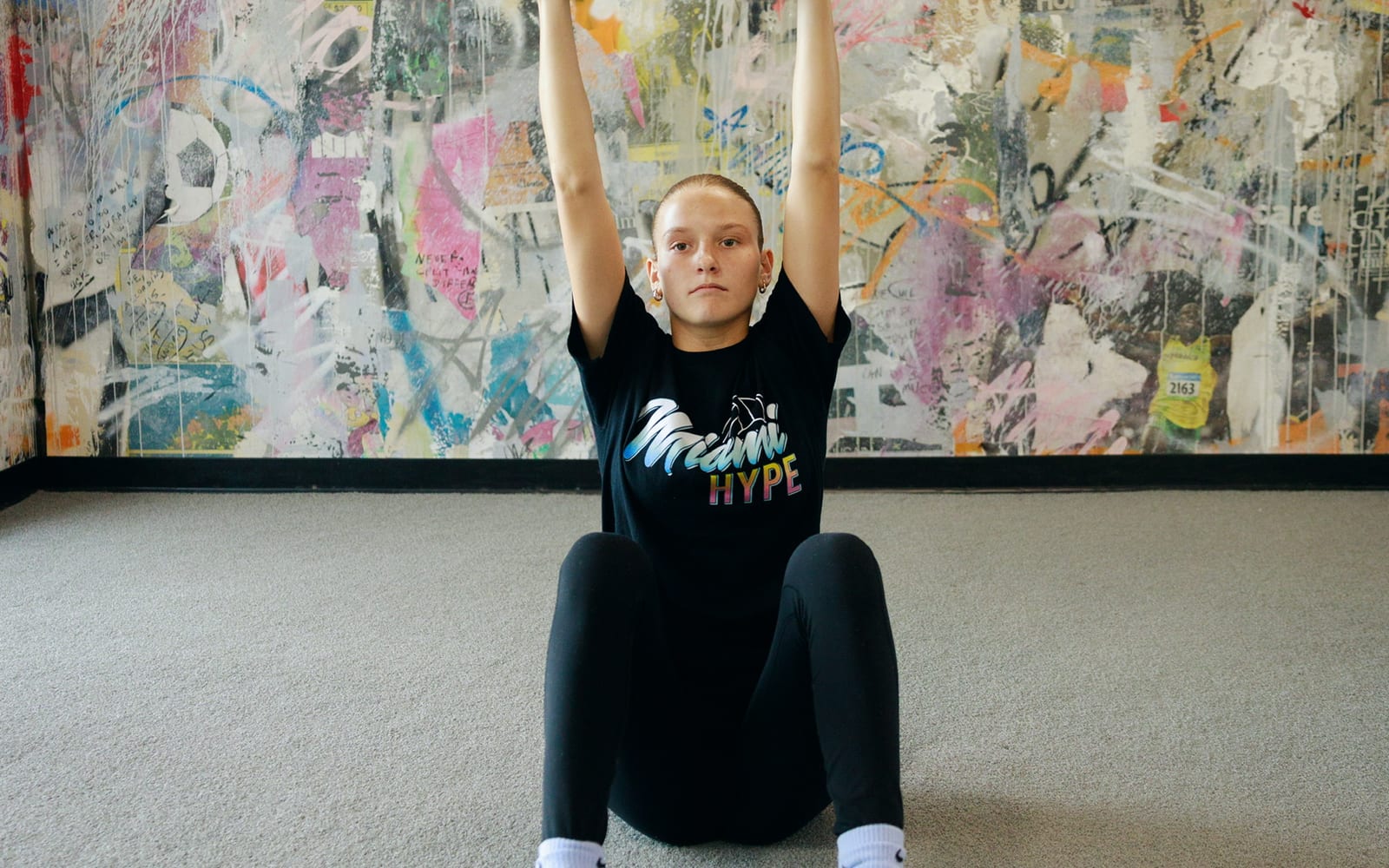
The biggest mistake I see? Living by the calendar. "The doctor said six weeks, so on day 43, I'm going for a PR." Stop it. Tissues heal on a timeline, but performance is built on criteria.
If you haven't restored your limb symmetry or your ability to absorb force, I don't care what the calendar says. You aren't ready. A "no plan" approach or blindly following a generic six-week printout is why re-injury rates are so high. We treat every recovery on an individual basis because your biomechanics and your sport's demands are unique.
2. The Control-Chaos Continuum: Mastering the Middle
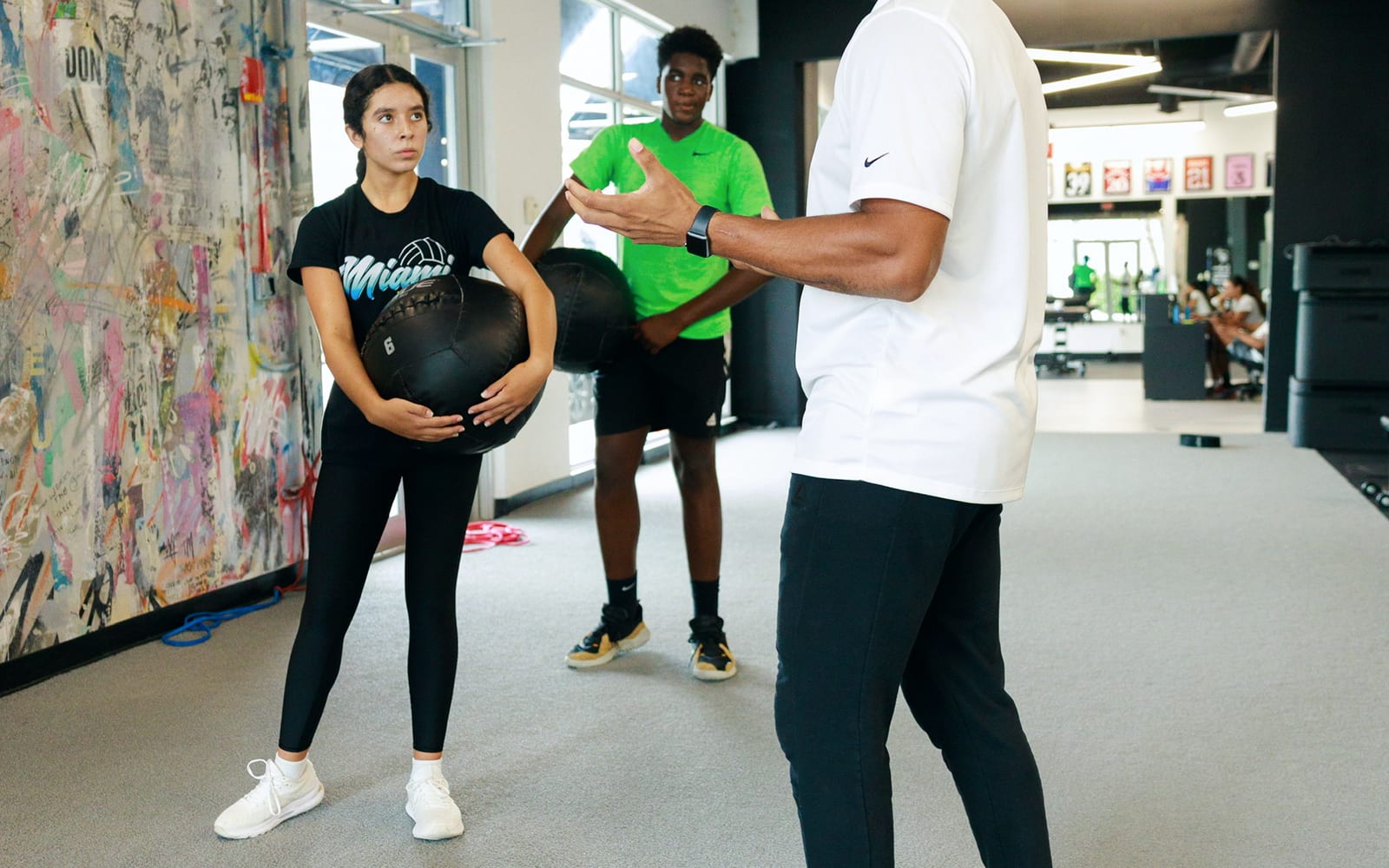
Rehabilitation isn't a light switch; it's a dimmer. We use the Control-Chaos Continuum to bridge the gap. We start with high control (think slow, predictable movements in a gym) and slowly introduce "chaos" (unpredictable, reactive movements like game-day scenarios).
Phase 1: High Control. Slow, linear, and predictable. If you can't squat with perfect form, you shouldn't be running.
Phase 2: Planned Agility. You know where you're going, but we increase the speed.
Phase 3: Reactive Chaos. This is where we simulate the sport. You react to a whistle, a ball, or an opponent.
If you skip Phase 2, Phase 3 will break you. It's that simple.
3. The Hybrid Methodology: Strength + Mobility + Function
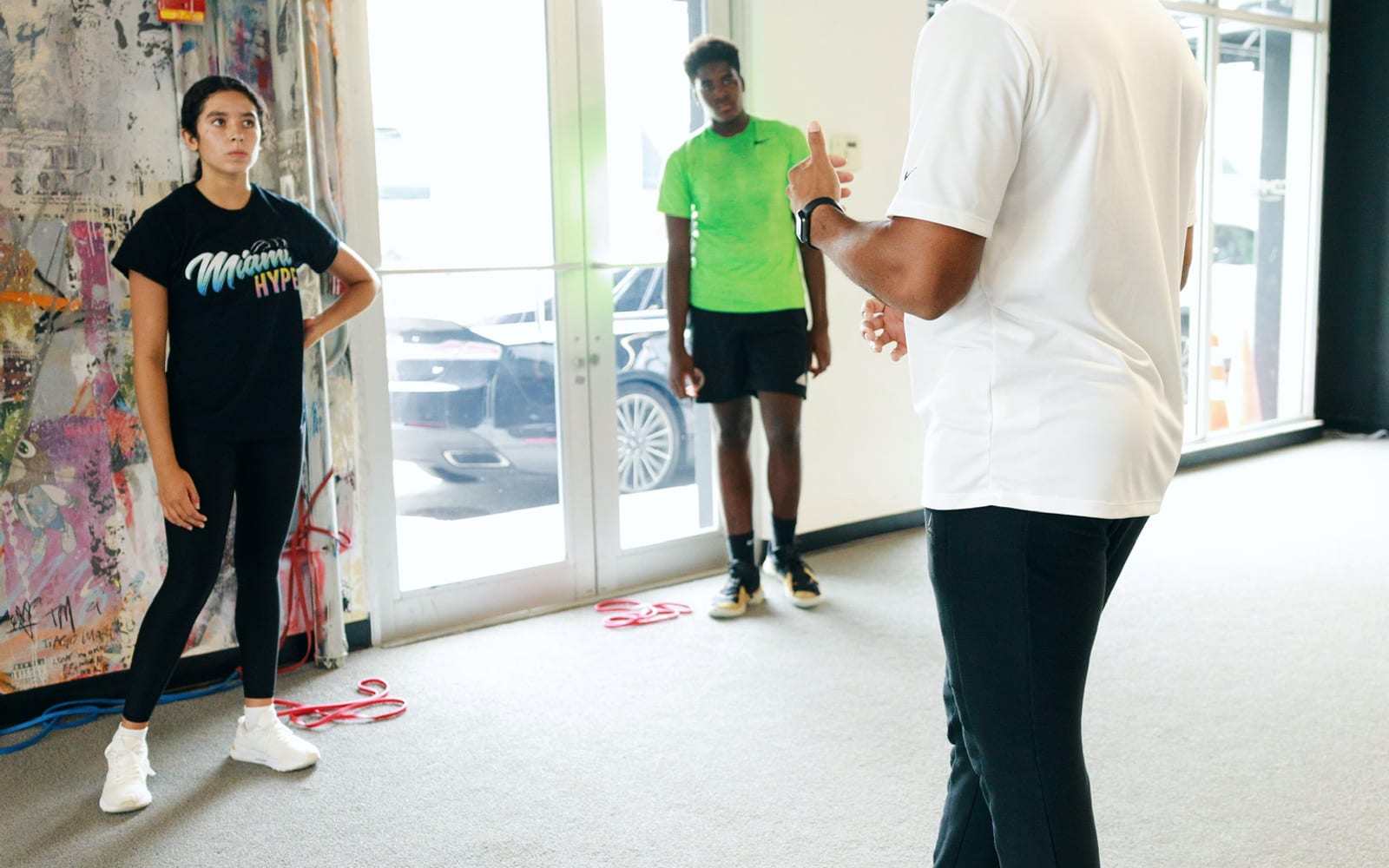
You can't just "do your PT exercises" and expect to be an athlete again. My hybrid methodology blends four non-negotiables:
- Strength: Building the armor.
- Conditioning: Ensuring your heart can keep up with your ego.
- Injury Prevention: Addressing the mechanical flaw that caused the injury in the first place.
- Mobility: Making sure you can actually get into the positions your sport requires.
If your plan of care only focuses on one of these, it's an incomplete plan. And incomplete plans lead to incomplete recoveries.
4. Psychological Readiness: The "Hidden" Injury
You might be physically strong, but if you're "babying" that leg every time you cut, you're at risk. Kinesiophobia—the fear of movement—is real. We use objective testing to prove to your brain that your body is safe. When you see the data showing your power output is symmetrical, the fear starts to fade. Confidence is a byproduct of competence.
5. Quick Takeaways for a Successful Return
- Ditch the Calendar: Focus on hitting performance benchmarks, not dates.
- Restore Symmetry: Aim for at least 90% limb symmetry in strength and hop testing.
- Build Workload Gradually: Use the 10% rule—don't increase your total weekly volume by more than 10% at a time.
- Respect the "Chaos": You must practice reactive, unpredictable movements before returning to competition.
- Fix the Engine: Don't just heal the injury; fix the movement pattern that caused it.
Conclusion: The Path Back to Greatness
Coming back from an injury is a test of character as much as a test of biology. It requires patience, a rigid adherence to a smart plan, and the willingness to do the boring stuff perfectly. Don't be the athlete who rushes back only to spend another six months on the sideline. Be the athlete who returns better, stronger, and more resilient than before.
You deserve to move well. You deserve to perform without hesitation.
If your comeback keeps stalling, start by rebuilding the basics in strength-based rehab, then use sports performance testing to prove you are ready instead of guessing. For sprint athletes, the recurring hamstring strain plan is the next read.
Let's get you better. Book your individual performance assessment today and let's build the plan that actually works.
FAQs
1. When can I start running again?
When you can demonstrate 80–90% limb symmetry in single-leg strength and can hop in place without pain or compensation.
2. Is some pain normal during rehab?
A "discomfort" level of 2–3 out of 10 is often acceptable, but sharp, stabbing pain is a hard stop. We listen to the body, but we don't let fear dictate the pace.
3. Why do I need a "plan of care" if I feel fine?
Feeling fine is subjective; being functional is objective. A plan ensures we aren't leaving gaps in your strength or mobility that will haunt you mid-season.
4. Can I still do upper body work if my leg is injured?
Absolutely. We train around the injury to maintain your "high-capacity" status while the specific tissue heals.
5. How do I know I'm ready for game-speed?
Once you pass reactive agility tests and have completed at least two weeks of full-intensity practice without setbacks.
References
- Taberner, M., et al. (2019). "The Control-Chaos Continuum: A Framework for Retraining and Return to Sport." British Journal of Sports Medicine.
- Ardern, C. L., et al. (2016). "2016 Consensus Statement on Return to Sport." British Journal of Sports Medicine.
- Webster, K. E., & Feller, J. A. (2018). "Development and Validation of the ACL-RSI Scale." Physical Therapy in Sport.
Let's get you better. Start your performance plan with Reese or book a session so your return-to-sport plan is built on proof, not guessing.
Ready to Start Your Journey?
Tell us your goals and we'll build a personalized plan to get you moving, stronger, and performing at your best.