

Strength-Based PT: What to Expect in Your First 4 Sessions
If you have been to PT before and mostly got heat packs, basic bands, and a sheet of exercises you never did—strength-based physical therapy will feel different.
I help people return from injury and improve overall movement quality. That means we evaluate thoroughly, load early when appropriate, and build a plan that looks more like training than table time.
Here is what to expect in your first four sessions at Complex.
Session 1: Full Evaluation and Baseline
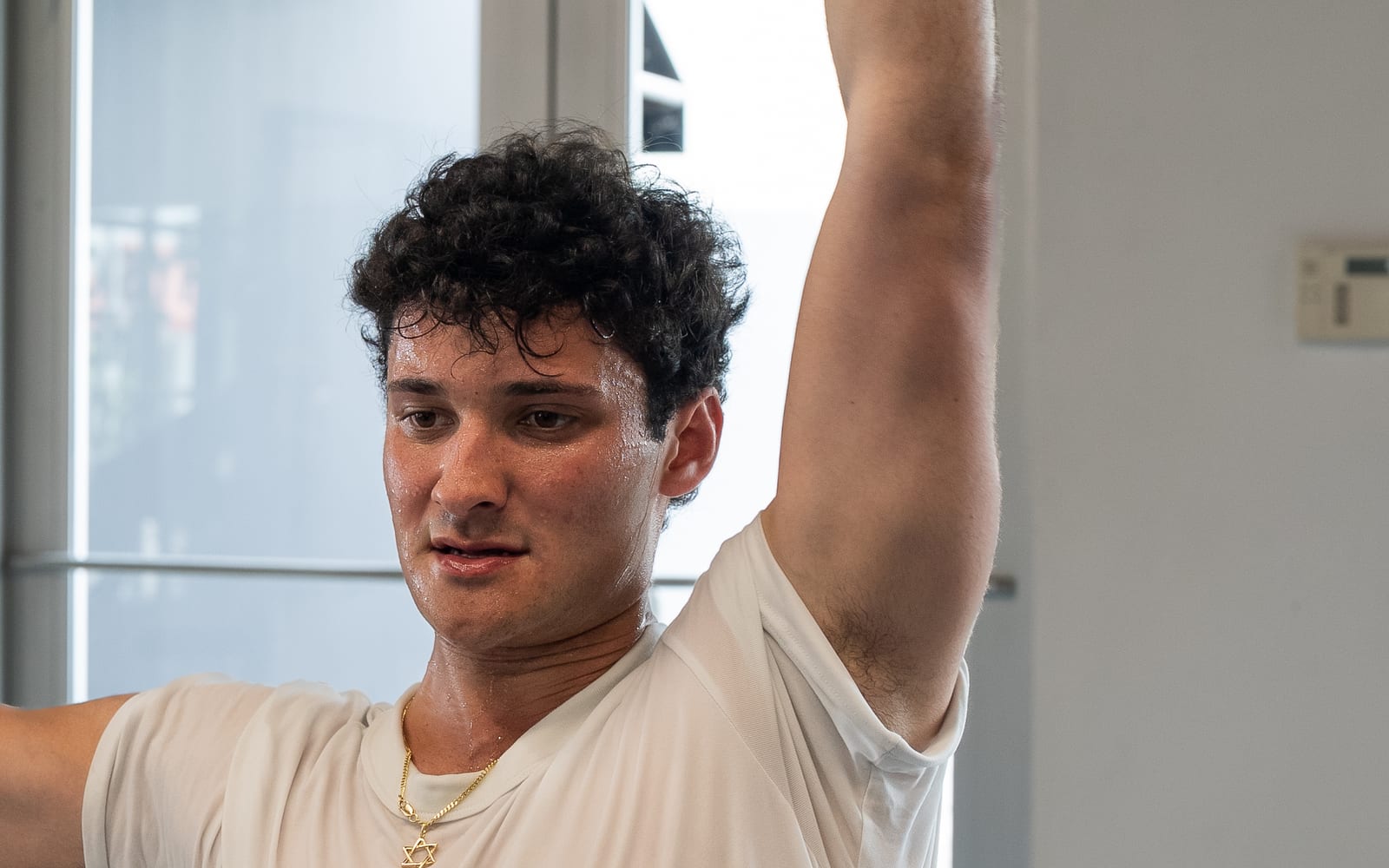
We start with a comprehensive assessment—not a rushed intake.
You can expect:
- Detailed history: injury mechanism, prior treatment, training schedule, goals
- Movement screening relevant to your sport or activity
- Strength and mobility testing (single-leg tasks, range of motion, painful ranges)
- Discussion of what you need to do on your own to get better
A common pain problem I see is shoulder pain—sometimes anterior at the long head of the biceps tendon, sometimes posterior involving the rotator cuff and scapula. Knee, ankle, and hip complaints follow similar patterns: we need to know which structures and which capacity deficits are driving symptoms before we guess at exercises.
If we pick up a noticeable range of motion limitation during screening, that often shapes session one priorities immediately. Many people book after pain complaints—I usually get them in right away because waiting rarely helps.
You leave with: A clear picture of what is limiting you and an initial plan—not vague advice to "rest and see."
Session 2: Mobility, Tissue Quality, and Early Loading

Our first few sessions focus on improving tissue quality and joint mobility—with loading included from the start when safe.
Typical work:
- Targeted mobility for restricted ranges
- Manual therapy or dry needling when indicated—not as the whole treatment
- Isometrics and tempo strength in tolerable ranges
- Movement corrections you can reproduce at home
Passive table work has its benefits. But capacity is rebuilt through loading. Even early, we start proving your tissues can handle stress in controlled doses.
Session cues you will hear: Control. Stabilize. Breath. Tighten your core.
Session 3: Progressive Overload Begins
As symptoms allow, we increase demand.
Progressions may include:
- Heavier single-leg work
- Tempo squats, RDLs, or press variations
- Carries and anti-rotation work
- Low-level plyometrics when landing mechanics are clean
This is where strength-based PT separates from passive models. We are not waiting until you are "100% pain-free" to start building capacity— we load intelligently through acceptable symptom levels.
You are only with me one to three hours per week. What you do between sessions determines whether session four is a breakthrough or a repeat of session three.
Session 4: Plan Refinement and Home Program Upgrade
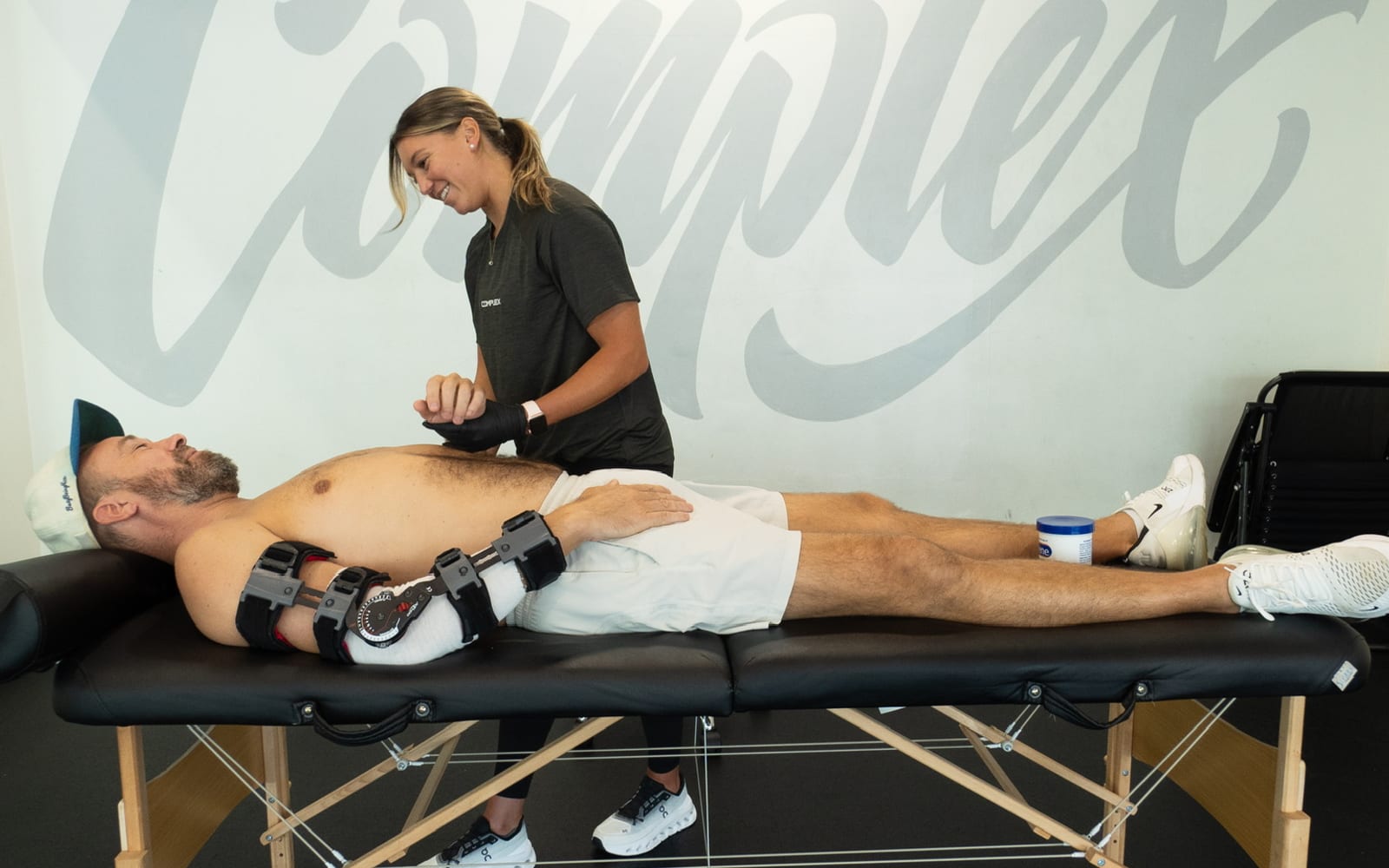
By session four, we know what responds and what does not.
We refine:
- Exercise selection based on your response
- Volume and intensity progression
- Sport-specific or gym-specific goals
- Return-to-activity milestones
If you are post-surgical, we align phases with appropriate timelines—ACL, meniscus, ankle, or shoulder protocols all differ. See post-op rehab mistakes to understand what slows people down when there is no structured plan.
For athletes nearing return, we introduce testing concepts from our return-to-play metrics guide so progress is measurable.
You leave with: An updated home program, clear priorities, and honest answers to "how soon until I am better?" and "can I return to X yet?"—based on what your body is showing us, not generic timelines.
What Strength-Based PT Is Not
- Not endless modalities with no progression
- Not super happy cheerleading while you avoid hard work
- Not overly clinical language without actionable steps
- Not a massage gun and a band and good luck
Rehab is an up-and-down process. I believe in all my clients. But you need to remain calm through the fluctuations and stay consistent with the work.
Quick Takeaways
- Session 1 is a thorough evaluation with clear baseline testing.
- Session 2 combines mobility and tissue work with early loading.
- Session 3 introduces progressive overload when tolerated.
- Session 4 refines the plan based on your response and upgrades homework.
- Home exercise consistency is critical—you are only in clinic 1–3 hours per week.
- Strength-based PT prioritizes capacity over passive treatment alone.
- Expect direct coaching: control, stabilize, push—with a plan behind it.
FAQs
1. Will I lift heavy in the first session?
Usually not heavy on day one. We establish baselines and load appropriately from session one or two.
2. Do you still do manual therapy?
Yes, when it supports the plan—not as a substitute for loading.
3. How soon until I feel better?
Depends on the injury, training history, and homework compliance. We give honest ranges—not false optimism.
4. Can athletes come while still training?
Often yes. We manage load rather than shutting everything down.
5. What should I bring to session one?
Training history, imaging if you have it, footwear you train in, and honest answers about what flares symptoms.
References
- American Physical Therapy Association. (2021). "Clinical Practice Guidelines for Musculoskeletal Conditions."
- Logerstedt, D. S., et al. (2010). "Knee stability and movement coordination impairments." Journal of Orthopaedic & Sports Physical Therapy.
- Slater, L. V., & Hart, J. M. (2017). "Muscle activation patterns during rehabilitation after ACL injury." International Journal of Sports Physical Therapy.
- Caneiro, J. P., et al. (2020). "It is time to move beyond 'body region silos'." British Journal of Sports Medicine.
Let's get you better. Schedule your sports rehab assessment with Anderson or reach out for details on booking an evaluation.
Ready to Start Your Journey?
Tell us your goals and we'll build a personalized plan to get you moving, stronger, and performing at your best.