

How to Choose the Right Sports PT in Miami
If you are searching for sports physical therapy Miami, you are probably not looking for someone to hand you a sheet of exercises and disappear. You want to get back to training, competing, lifting, running, or just moving without feeling like your body is negotiating against you.
The problem is that every clinic says they treat athletes. Great. My toaster also has settings. That does not make it a chef.
Choosing the right sports PT means asking better questions. You need to know whether the clinic understands your sport, measures progress, provides one-on-one care, and has a real plan for getting you back to high capacity. Let's get it.
Question 1: Do You Work With My Sport or Goal?
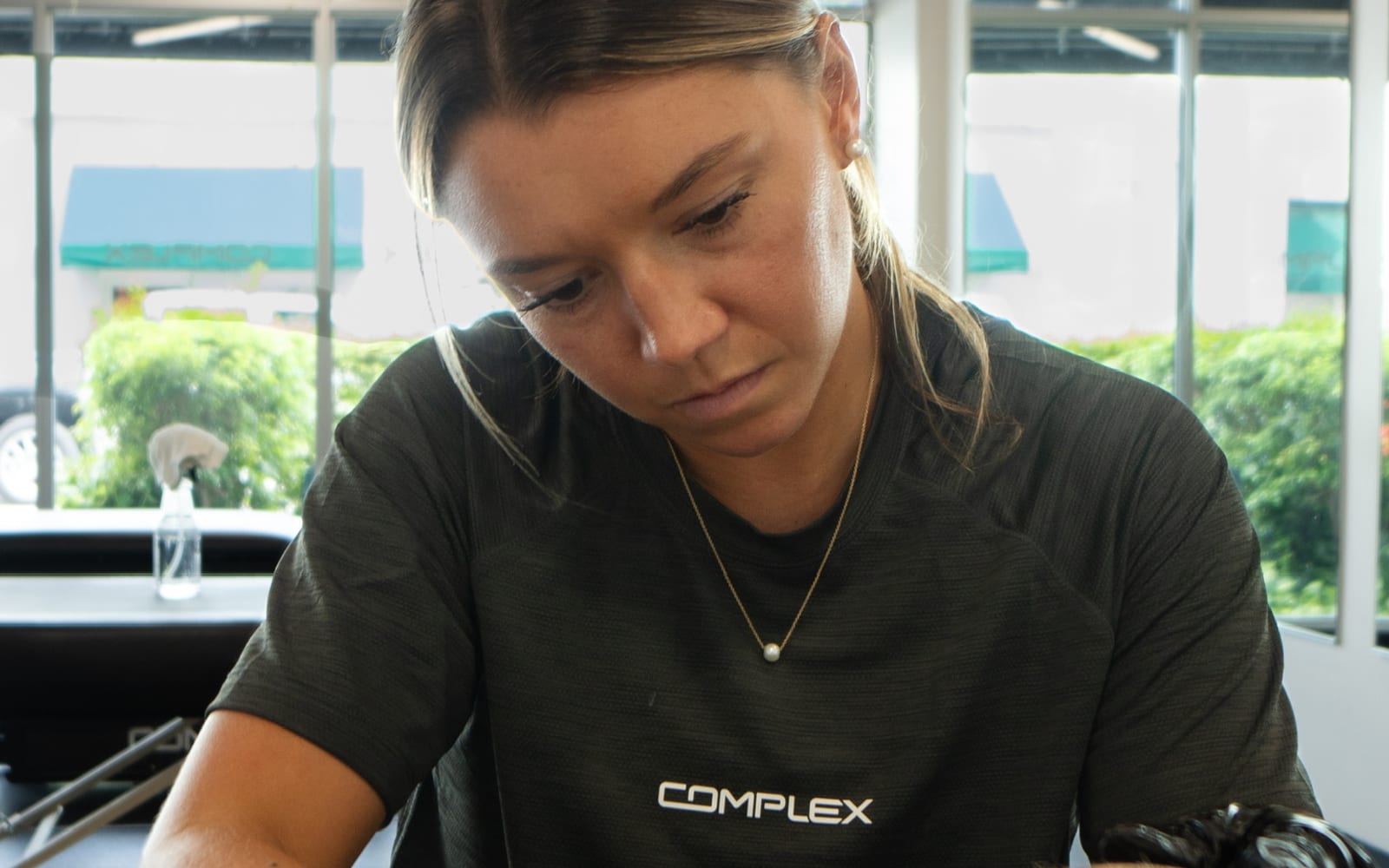
Sports PT is not generic. A soccer player, tennis athlete, runner, powerlifter, dancer, and weekend warrior do not need the same plan.
Ask:
- Have you worked with my sport before?
- What common demands do you assess for this sport?
- How do you progress athletes back to full participation?
- Do you look at sport-specific movement?
If the answer is vague, be careful. You want someone who understands the actual demands: sprinting, cutting, decelerating, jumping, pressing, rotating, conditioning, or whatever your activity requires.
Question 2: Will I Be One-on-One?
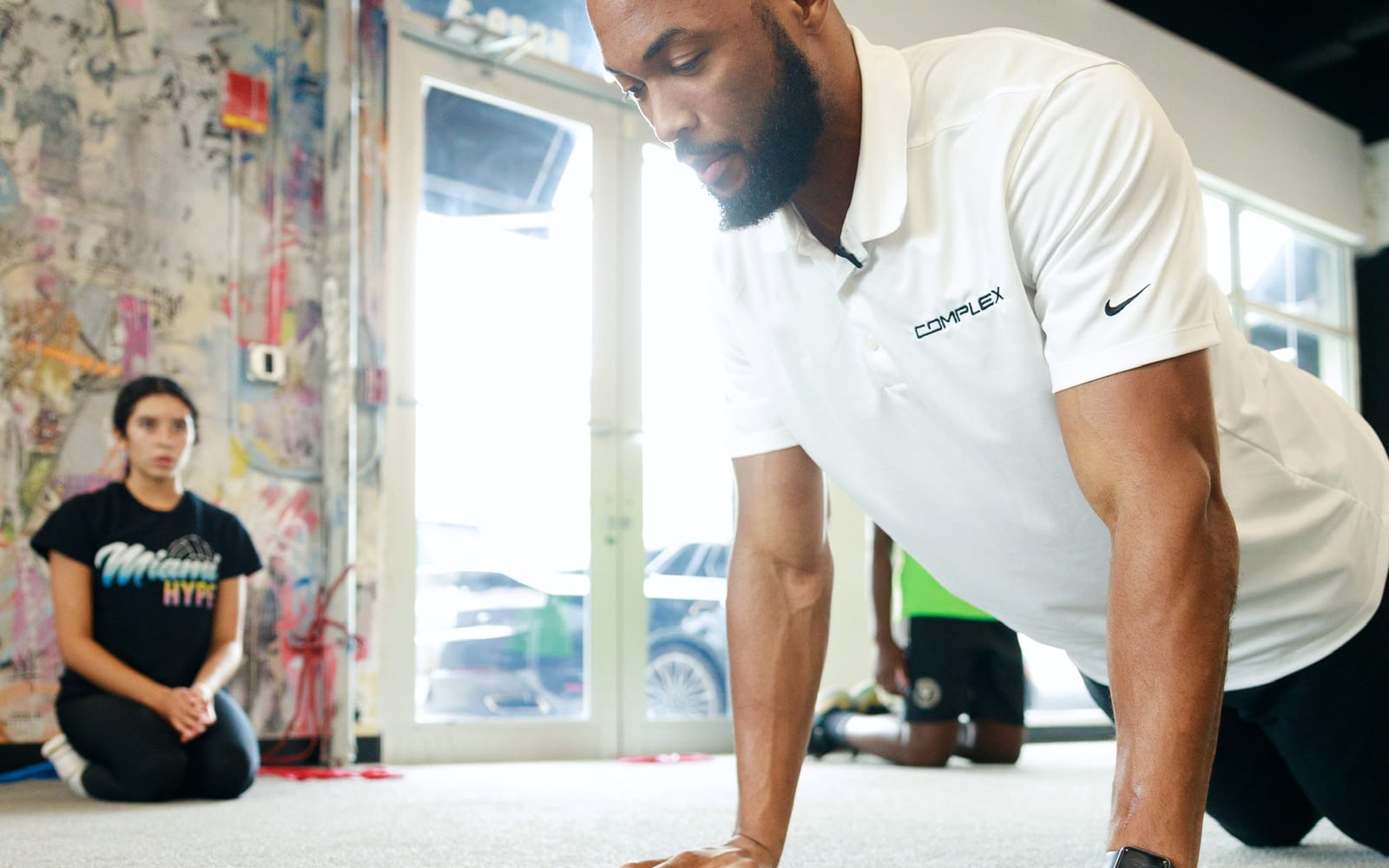
One-on-one care changes the session. It allows the clinician to evaluate, coach, adjust, and progress in real time.
Ask:
- Will I be with the same clinician?
- Is the full session one-on-one?
- Will I be passed to an aide or left alone?
- How often will my plan be reassessed?
This matters because movement quality matters. If nobody is watching, nobody is correcting. If nobody is correcting, you may just be practicing compensations with confidence.
For the full breakdown, read One-on-One Physical Therapy: What Actually Changes.
Question 3: How Do You Measure Progress?
If a clinic only progresses you because "it's been four weeks," that is not enough. Time matters, but performance matters more.
Ask what they measure:
- Strength symmetry
- Range of motion
- Single-leg control
- Hop or jump testing
- Sprint or agility exposure
- Pain response
- Sport-specific benchmarks
- Confidence and readiness
Objective testing keeps everyone honest. It also helps you see progress when the process feels slow. If you want to understand the metrics that matter, read Sports Performance Testing: What Actually Matters.
Question 4: What Is the Plan After Pain Goes Away?
This is the big one. Pain relief is not the same as return to performance.
Ask:
- What happens when symptoms calm down?
- How do you rebuild strength?
- How do you reintroduce speed or power?
- How do you decide I am ready?
- How do we prevent this from coming back?
If the plan ends at "you feel better," you may not be ready for sport. You may just be ready for normal life. Those are different things.
We are doing this simply because it's best for your function, but also because it's what I chose: your comeback needs criteria, not vibes.
Question 5: Do You Understand Load Management?
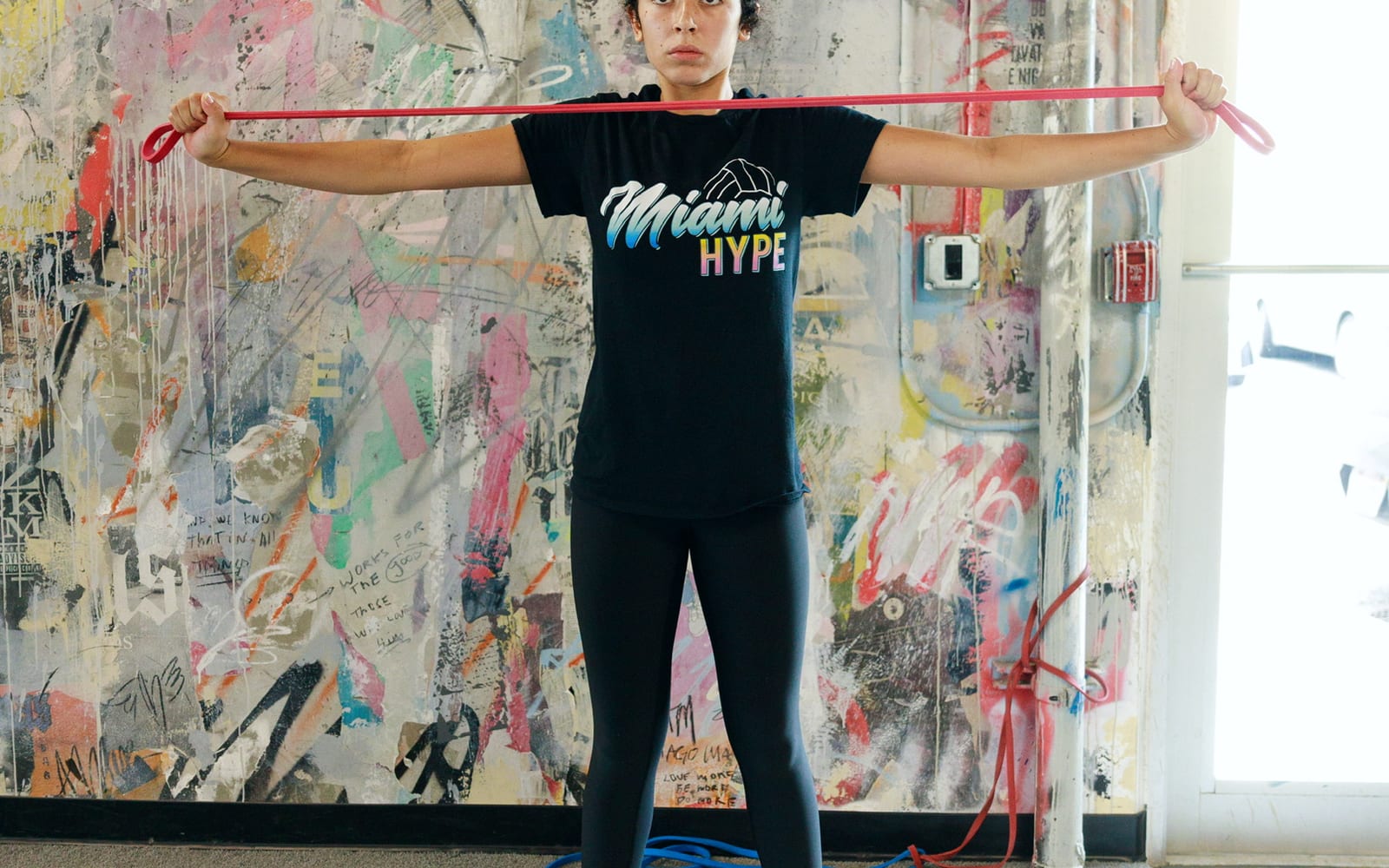
Many athletes get hurt because training spikes faster than their body can adapt. A good sports PT should ask about your full training week, not just the painful body part.
They should know:
- Practice schedule
- Game schedule
- Lifting volume
- Running volume
- Recovery
- Sleep
- Work stress
- Previous injuries
If they do not understand load, they may accidentally return you to the same pattern that caused the problem. Read Load Management: The Real Reason You Keep Getting Hurt before your first call. It will help you ask better questions.
Question 6: Can I Start Without a Referral?
In Florida, many patients can access physical therapy directly for a limited period without a physician referral. Insurance rules and medical circumstances can vary, so ask the clinic directly how they handle direct access, benefits, and physician involvement if care continues.
Ask:
- Can I schedule directly?
- Do I need a referral for my insurance?
- What happens if I need care beyond the direct access window?
- Do you coordinate with physicians if needed?
This is not the most exciting part, but it matters. A good clinic makes the process clear.
Red Flags
Be cautious if you hear:
- "Everyone gets the same program."
- "We do not really test strength."
- "Just rest until it feels better."
- "You will mostly work with an aide."
- "Return to sport is based on time."
- "Pain is normal, push through."
Some discomfort can be part of rehab. But sharp pain, swelling, fear, and sloppy movement are not badges of honor. They are data.
Quick Takeaways
- Choose a sports PT who understands your sport and your goals.
- One-on-one care helps with coaching, progression, and accountability.
- Progress should be measured with objective tests, not just time.
- Pain relief is not the same as performance readiness.
- Load management should be part of the conversation.
- Ask about direct access, insurance, and physician coordination.
- The right PT should give you a plan, not a pile of exercises.
FAQs
1. What should I bring to my first sports PT visit?
Bring your injury history, training schedule, imaging reports if you have them, shoes or gear if relevant, and clear goals.
2. Do I need to be an athlete to see a sports PT?
No. If you want active, strength-based care and a performance-minded plan, sports PT can help.
3. How soon should I go after an injury?
Sooner is usually better, especially if pain changes movement, affects training, or keeps recurring.
4. What if I already tried PT and it did not work?
Ask what was missing. Often the gap is progression, testing, load management, or sport-specific work.
5. How do I know if a clinic is the right fit?
You should leave the first visit understanding what is happening, what the plan is, and how progress will be measured.
References
- Florida Board of Physical Therapy. "Direct Access Practice for Physical Therapy." Florida Department of Health.
- Rossettini, G., et al. (2025). "Physical therapist characteristics and therapeutic relationship factors that improve patient health outcomes." Physical Therapy.
- van Melick, N., et al. (2016). "Evidence-based clinical practice update: guidelines for ACL rehabilitation." British Journal of Sports Medicine.
- Davies, G. J., et al. (2021). "Criterion-Based Functional Return to Sport Testing Algorithm." Sports Medicine.
Let's get you better. Start your performance plan with Reese or book a session and ask the hard questions before you trust anyone with your comeback.
Ready to Start Your Journey?
Tell us your goals and we'll build a personalized plan to get you moving, stronger, and performing at your best.