

One-on-One Physical Therapy: What Actually Changes
People hear one on one physical therapy benefits and think it just means more attention. That is part of it, but it is not the whole thing. One-on-one care changes the quality of the assessment, the speed of adjustment, the relationship, the accountability, and the actual plan.
If you are comparing PT options, here is the question: do you want a generic routine while someone checks on you between three other patients, or do you want a plan built around what your body is doing in real time?
I am biased. Obviously. But I am biased because I have watched what happens when people finally get care that is specific, direct, and built on an individual basis. Let's get it.
The Assessment Gets Better
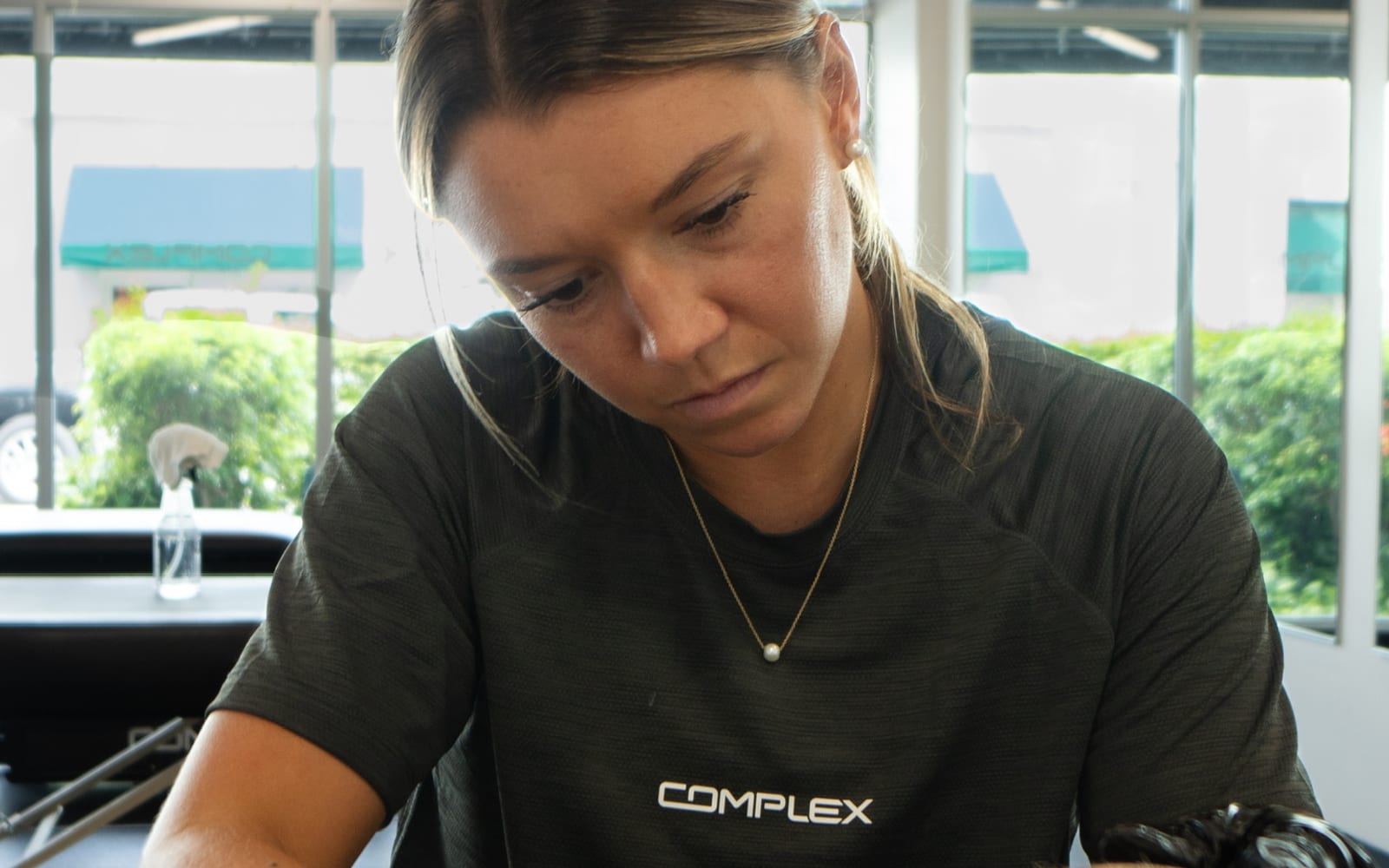
In one-on-one care, the evaluation is not rushed. We can actually watch how you move, ask better questions, test strength, check mobility, and understand what your sport or life demands.
Pain location is only one clue. We also need to know:
- What movements trigger symptoms?
- What loads can you tolerate?
- What positions do you avoid?
- What does your training week look like?
- What does your job require?
- What are you trying to get back to?
This is how we stop guessing. If your plan does not start with a real assessment, it is probably just a list of exercises wearing a lab coat.
The Plan Changes in Real Time

Bodies respond differently. One person feels better after isometrics. Another needs mobility first. Another needs less range, more tempo, or different loading. One-on-one sessions let the plan evolve during the session instead of waiting until the next appointment to realize something did not work.
That matters because rehab is not linear. You may come in after a bad night's sleep, a stressful week, or a training spike. We can adjust the dose, not abandon the goal.
This is where one-on-one care pairs with load management. The session should reflect what your body can handle today while still moving you toward tomorrow.
Communication Improves Outcomes

Research on therapeutic alliance in physical therapy supports what good clinicians already know: the relationship matters. Communication, trust, shared decision-making, goal agreement, and individualized care can influence adherence, pain, function, and confidence.
That does not mean we just chat and hope your knee improves. It means the human part of care affects whether you understand the plan, believe in it, and actually do it.
If you do not understand why you are doing an exercise, you will probably stop doing it. If the plan does not match your goals, you will not commit. If you feel like a number, you will act like one.
One-on-one care gives us the space to explain, coach, correct, and build buy-in.
You Get Coached, Not Babysat

There is a big difference between someone handing you exercises and someone coaching movement.
Coaching means:
- Your form gets corrected.
- Your effort gets calibrated.
- Your fear gets addressed.
- Your progress gets measured.
- Your exercise selection changes when needed.
- Your plan connects to your goals.
We are doing this simply because it's best for your function, but also because it's what I chose. You are not coming in to be babysat through clamshells forever. You are coming in to get better.
Progression Is Cleaner

One of the biggest failures in rehab is poor progression. People either stay too easy for too long or jump too hard too fast.
One-on-one care helps us progress based on response:
- More load when strength improves
- More speed when control is clean
- More range when symptoms calm down
- More complexity when the basics are solid
- More sport-specific stress when capacity is there
This is especially important when the goal is performance. If your PT never looks like training again, you may not be ready for training again. Read Why the Best Rehab Looks Like Strength Training for the deeper version.
Accountability Gets Real
Let us be honest. Most people do not do their home program perfectly. One-on-one care makes accountability more useful because we can see what is working, what is not, and what you actually did.
This is not about shame. It is about problem-solving. If you did not do the plan, why? Too much time? Too many exercises? Pain? Confusion? No equipment? We fix the barrier and make the plan usable.
The best program is not the fanciest one. It is the one you can execute consistently.
Quick Takeaways
- One-on-one PT improves assessment, coaching, and real-time decision-making.
- Strong communication and therapeutic alliance can support better outcomes.
- Individualized care helps the plan match your body, goals, and schedule.
- Progression should be based on response, not a generic timeline.
- Accountability works best when it solves barriers instead of creating guilt.
- If you want to return to high-level activity, your care needs to bridge rehab and performance.
FAQs
1. Is one-on-one PT always better?
It depends on the provider, but one-on-one care gives the clinician more time to assess, coach, and adjust.
2. Will I work harder in one-on-one PT?
Usually, yes. Not because we are trying to torture you, but because the dosage can be more precise.
3. Is this only for athletes?
No. Active adults, busy professionals, post-op patients, and people with recurring pain all benefit from individualized care.
4. How many sessions will I need?
That depends on the condition, goal, history, and response. A good plan should give you milestones, not vague promises.
5. What should I ask before booking?
Ask whether you will be one-on-one, who you will see each session, how progress is measured, and how the plan connects to your goals.
References
- Rossettini, G., et al. (2025). "Physical therapist characteristics and therapeutic relationship factors that improve patient health outcomes." Physical Therapy.
- Babatunde, F., et al. (2017). "Characteristics of therapeutic alliance in musculoskeletal physiotherapy and occupational therapy practice." BMC Health Services Research.
- Ferreira, P. H., et al. (2013). "The therapeutic alliance between clinicians and patients predicts outcome in chronic low back pain." Physical Therapy.
- Taccolini Manzoni, A. C., et al. (2021). "Therapeutic Alliance in Physiotherapy Questionnaire for patients with chronic musculoskeletal pain." Patient Education and Counseling.
Let's get you better. Book your one-on-one assessment with Megan or book a session so your care is built around your body, your goals, and your actual life.
Ready to Start Your Journey?
Tell us your goals and we'll build a personalized plan to get you moving, stronger, and performing at your best.