

Calisthenics for Beginners: Pain-Free Pull-Ups & Push-Ups
Building strength with nothing but your own body weight is one of the most empowering journeys you can take. However, for many beginners—especially those of us returning from an injury, navigating the postpartum period, or feeling "stuck" due to joint stiffness—jumping straight into high-volume repetitions can lead to more frustration than progress. We often ask ourselves, "Am I doing this right?" or "Why does my shoulder pinch when I push?"
My name is Paige Burrell, and my philosophy is simple: bodyweight before barbell. If we cannot move our own frame with grace and stability, we have no business adding external load. In this guide, we are going to slow things down. We aren't looking for "hype" or "burn"; we are looking for an intentional mind-muscle connection. We are going to learn how to build a functional foundation for pull-ups and push-ups that respects your joints and prioritizes form over everything else. Let's explore how to build stability and move with purpose.
The Philosophy: Bodyweight Before Barbell
In the world of functional training, there is a common rush to reach for heavy weights or complex movements before the nervous system is ready. My core belief is that your body is the ultimate piece of equipment. If you cannot control your descent in a push-up or maintain a neutral spine during a hang, adding a weighted vest or a barbell only masks underlying compensations.
When we start a calisthenics beginner program, we are essentially relearning how to communicate with our muscles. This is particularly vital for those with mobility limitations. We aren't just "doing reps"; we are building a map of movement in the brain. Before we worry about how many pull-ups you can do, we need to ensure you can actually feel your latissimus dorsi engaging. We prioritize the quality of the movement because, in the long run, form is king. Moving well today ensures you can move at all tomorrow.
The Foundation: Building Stability in the Core
Everything in calisthenics starts with the core. When I talk about the "core," I'm not just talking about six-pack abs; I'm talking about the entire cylinder of your trunk. For my postpartum clients or those with lower back sensitivity, this is the most critical step. We need to learn how to keep the hips and ribs stacked.
Think about your ribcage and your pelvis as two bowls of water. If your ribs flare up, the water spills out the back. If your pelvis tilts too far forward, it spills out the front. To build stability, we want those bowls perfectly aligned. When you are holding a plank or preparing for a push-up, I want you to pretend like someone is about to punch you in the stomach. That bracing sensation—while continuing to breathe through the movement—is what protects your spine and allows energy to transfer efficiently from your upper body to your lower body.
Mobility First: Preparing Joints for Movement
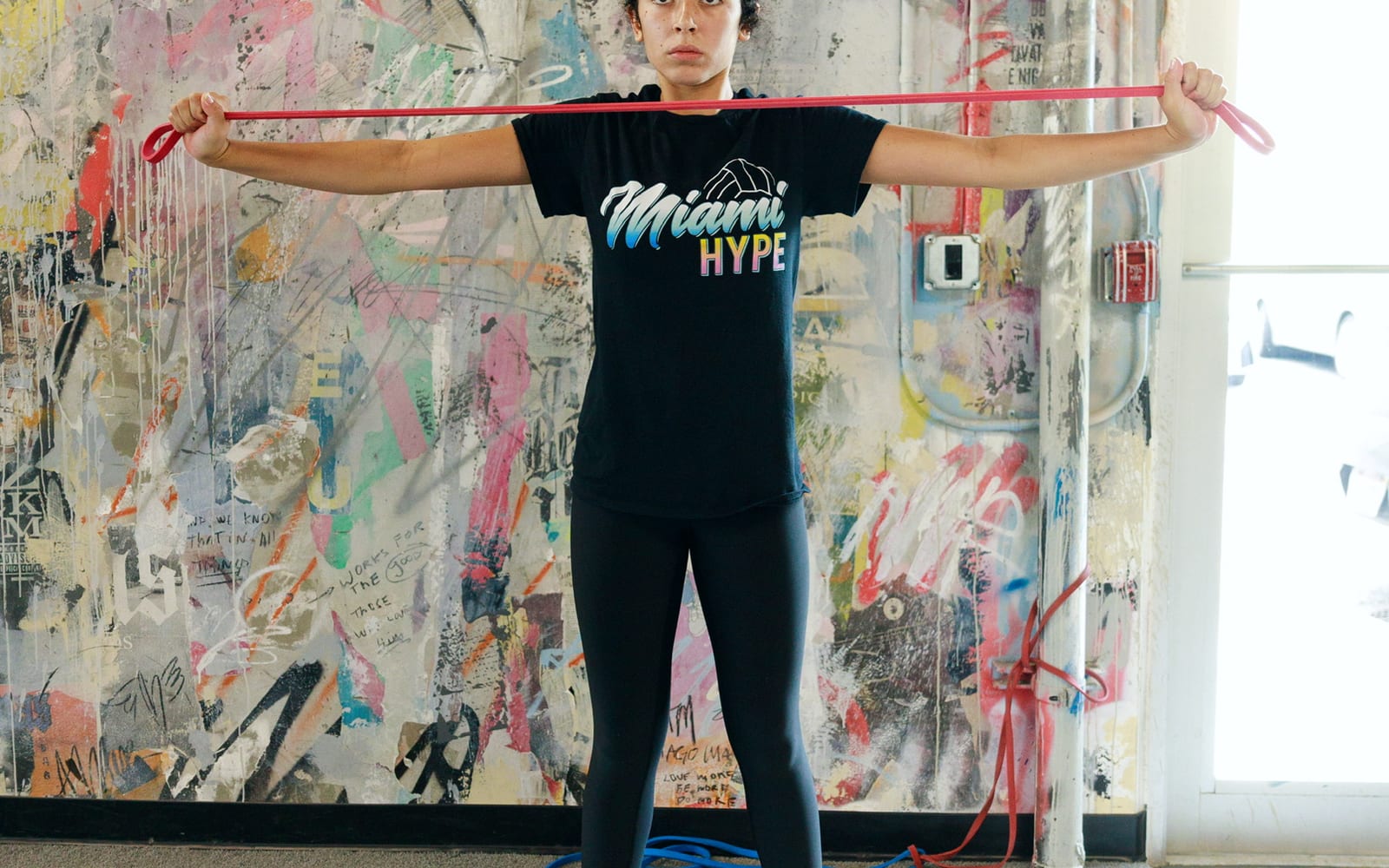
You cannot build strength on top of restricted joints. Many beginners struggle with push-ups because of limited wrist extension or pull-ups because of "sticky" shoulders. Before we "push the floor away," we must ensure the joints can actually reach the required ranges of motion.
Functional training requires "active" mobility. This means we don't just passively stretch; we learn to control the end ranges. For the shoulders, we focus on scapular health. Your shoulder blades should move freely across your ribcage. If they are stuck, your rotator cuff will overwork, leading to that all-too-common "pinching" sensation. We start with simple wall slides and quadruped reaches to wake up the serratus anterior and the lower traps. Remember, we are building stability from the ground up.
The Push-Up: Mastering the Standard Form
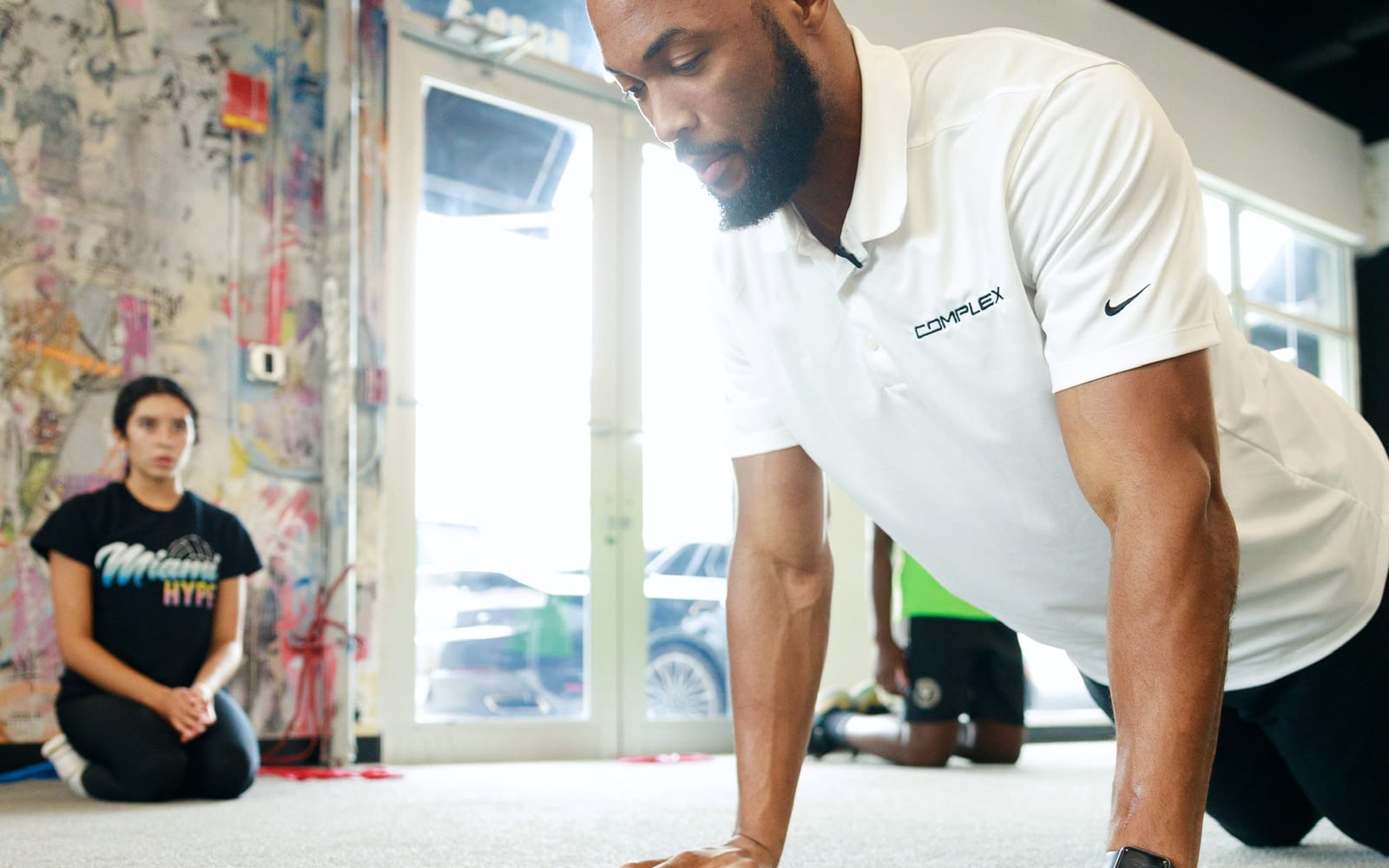
The push-up is often treated as a "basic" exercise, but it is actually a moving plank that requires total body tension. When you set up, place your hands slightly wider than shoulder-width. As you lower yourself, keep the ribs in. Do not let your lower back sag toward the floor.
One of the most important external cues I give my clients is to "push the floor away." Instead of thinking about moving your body up, imagine you are trying to push the entire earth down. This shift in perspective often helps engage the chest and triceps more effectively. If you feel this in your front shoulders or neck, stop. Just think about what muscles you're feeling. If it's not your chest and core, we need to adjust your hand placement or the angle of your elbows. Your elbows should form an "A" shape relative to your body, not a "T."
Common Push-Up Pitfalls and Pain
If you experience wrist pain, it is often a sign that you are dumping your weight into the heel of your palm. Try to "claw" the floor with your fingertips to distribute the pressure. If you have shoulder pain, it usually stems from the elbows flaring too wide or the shoulders "shrugging" toward the ears.
For those coming back from injury, the standard floor push-up might be too much too soon. That is perfectly okay. We aren't here to prove anything; we are here to get better. If the floor feels like an enemy, we move to an incline. This allows us to maintain that "ribs-to-hips" connection without overwhelming the joints.
Progressing to the Floor: Incline Push-Ups
The beauty of a calisthenics beginner program is its scalability. If you can't push your own body weight on the floor with perfect form, start with your hands on a kitchen counter or a sturdy bench. The higher the surface, the "lighter" your body weight becomes.
As you get stronger, lower the surface. This is called progressive overload, and it's just as effective with body weight as it is with iron. The key is consistency. I would rather see you do five perfect incline push-ups where you feel your chest working than twenty "sloppy" floor push-ups where your back is arching. We are building a functional foundation that will last a lifetime.
The Pull-Up: Why It's the Ultimate Bodyweight Test
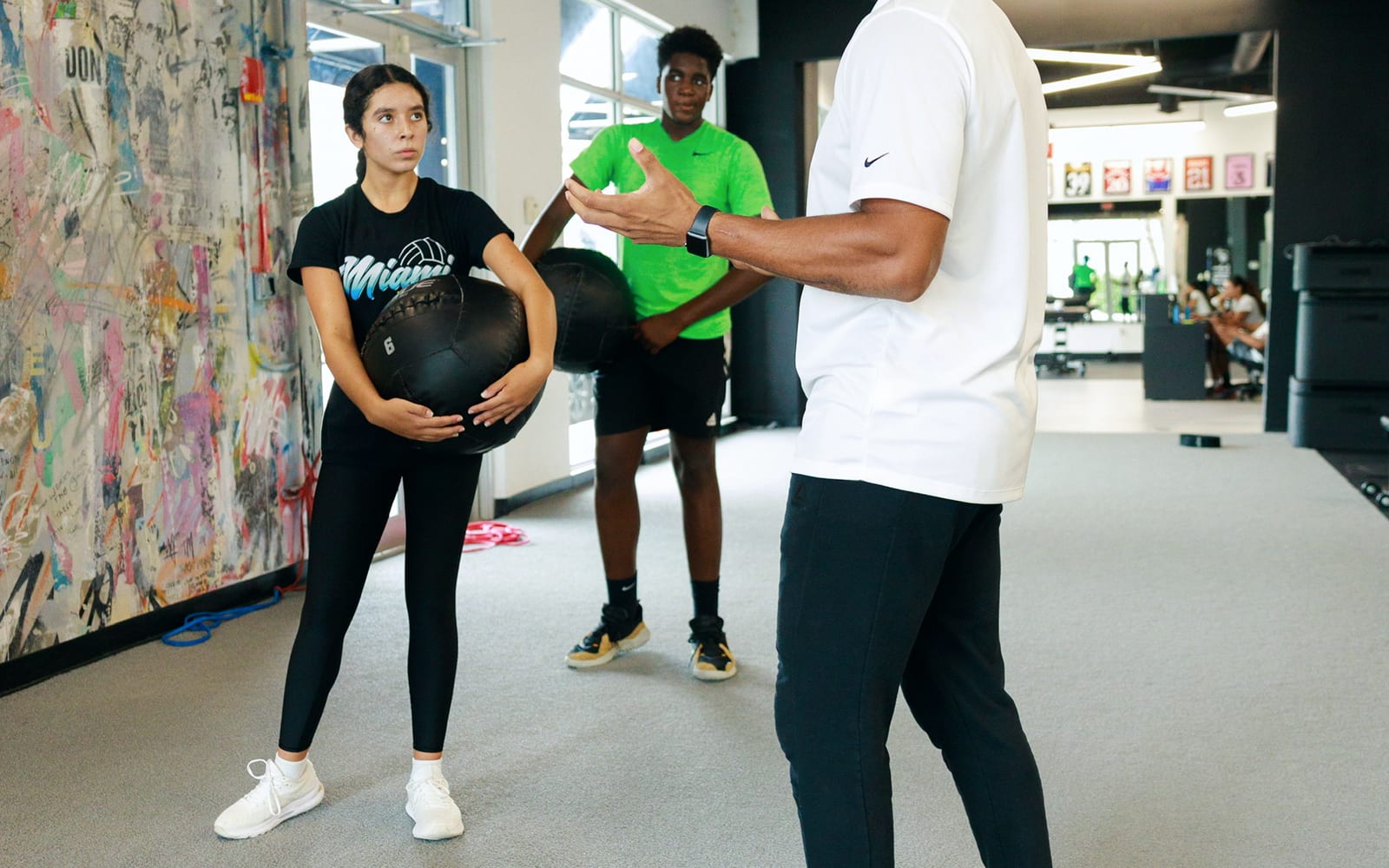
The pull-up is the gold standard of upper-body strength, but it is also the movement where people most frequently lose their form. It requires immense grip strength, scapular control, and core stability. For many women, especially postpartum, or for those with limited overhead mobility, the pull-up can feel impossible.
The mistake most people make is trying to "pull with the arms." Your biceps are small; your back muscles (the lats) are huge. To do a pull-up correctly, you have to initiate the movement from the back. If you find yourself swinging or "kipping," you aren't building strength; you're using momentum to bypass a weakness. We want to eliminate momentum and focus on the mind-muscle connection.
Scapular Health: The Key to Pain-Free Pulling
Before you ever try to pull your chin over the bar, you must master the scapular pull-up. Hang from the bar with "active" shoulders—meaning your ears are away from your shoulders. Without bending your arms, try to pull your shoulder blades down and back.
This small, subtle movement is what "sets" the shoulder for the actual pull. If you cannot do this, your shoulders are at risk of impingement. We are building stability in the joint before we ask it to move a heavy load. Think of this as the "warm-up" for your nervous system. What am I supposed to be feeling? You should feel the muscles underneath your armpits and between your shoulder blades engaging.
Vertical Pulling Progressions: Dead Hangs and Rows
If a full pull-up isn't in the cards today, we use bodyweight rows or dead hangs. Dead hangs are incredible for grip strength and spinal decompression. Just hanging for 30 seconds can do wonders for shoulder health, provided you keep the core engaged and the "ribs in."
Rows are the horizontal version of pulling and are much more accessible for beginners. You can use a low bar or even a sturdy table. By changing the angle of your body, you can make the move easier or harder. This allows you to focus purely on the squeeze of the shoulder blades. Remember: if you can't pull your own weight in a row, the pull-up can wait.
Mind-Muscle Connection: What Should You Feel?
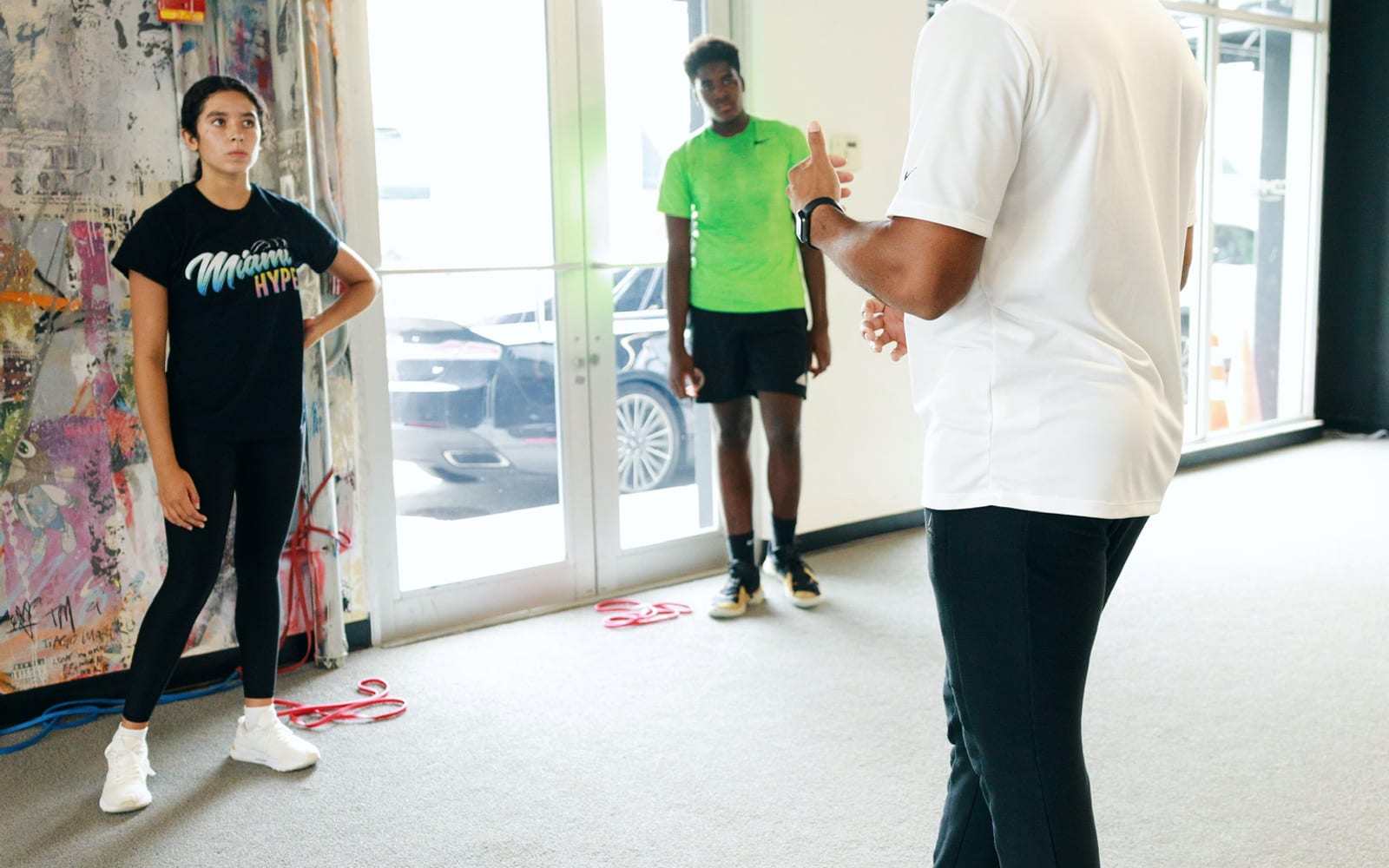
In every movement, I want you to check in with yourself. Exercise isn't just about moving weight; it's about understanding what you are supposed to be feeling. During a push-up, you should feel your chest, the backs of your arms, and your entire midsection. During a pull-up or row, you should feel your back and your grip.
If you only feel your neck tension or a sharp pain in a joint, that is your body's way of saying "not like this." Slow down. Reduce the range of motion. Use an external cue, like pretending you are breaking the bar in half to engage your lats. This intentionality is what separates a coach-led movement from a mindless workout.
Creating Your First Calisthenics Routine
To start, don't overcomplicate things. You don't need fancy equipment.
- Wall or Incline Push-Ups: 3 sets of 8–10 reps.
- Bodyweight Rows or Scapular Pull-ups: 3 sets of 8–10 reps.
- Hollow Body Holds (Core): 3 sets of 20 seconds.
- Glute Bridges (Functional Foundation): 3 sets of 12 reps.
Perform this routine 2–3 times a week. Focus on the eccentric phase—the way down. Move slowly. Count to three as you lower yourself. This builds "time under tension" and helps the brain map the movement more effectively.
Recovery and Consistency
Consistency is the biggest hurdle for most people. It's easy to be motivated on Monday, but what about Thursday when your muscles are slightly sore? Recovery is just as important as the workout itself. Ensure you are hydrating and, most importantly, listening to your body.
If you are coming back from an injury, some days will feel better than others. That's okay. We are playing the long game. We are building a body that can move through the world with ease and without pain. Just keep breathing through the movement and trust the process.
Quick Takeaways
- Prioritize Form: Quality always beats quantity. If form breaks, the set is over.
- Core Alignment: Keep the "hips and ribs stacked" to protect the spine.
- External Cues: Use "push the floor away" to engage the correct muscle groups.
- Scalability: Use inclines for push-ups and rows for pull-ups to manage intensity.
- Mind-Muscle Connection: Always ask yourself, "What am I supposed to be feeling?"
- Mobility: Healthy joints are the prerequisite for a strong body.
Conclusion
Starting a calisthenics journey is about more than just getting "fit." It is about reclaiming your ability to move with confidence. Whether you are a new mother trying to find your core again after pregnancy or someone navigating the road to recovery after a shoulder injury, the principles remain the same. We start where we are, we move with intention, and we never sacrifice form for the sake of a rep count.
We are building stability. We are building a mind-muscle connection that will serve you in every aspect of your life—from carrying groceries to playing with your children. Take your time. Be patient with yourself. This isn't a race; it's a practice.
Reach out if you're feeling unsure about your form, find yourself only using machines at the gym because free movements feel "off," or you suspect you have a weak core that's holding you back. Let's work!
FAQs
1. Is calisthenics safe for someone with past joint injuries?
Yes, provided you use proper progressions. Calisthenics is often safer than heavy weightlifting because it emphasizes natural movement patterns and joint stability. Always start with the easiest progression to test your joint's reaction.
2. How long does it take to see progress in a calisthenics beginner program?
Neurological progress (strength) usually happens within 2–4 weeks as your brain learns to fire the muscles. Physical changes in muscle tone typically take 8–12 weeks of consistent practice.
3. Can I do calisthenics every day?
I recommend starting with 3 days a week. Your tendons and ligaments take longer to recover than your muscles. Rest days are when the actual "building" happens.
4. What should I do if I can't even do one push-up?
Start with wall push-ups. Stand a few feet away from a wall and push yourself away from it. Once that feels easy, move to a high counter, then a bench, and eventually the floor.
5. Why do my wrists hurt during push-ups?
Wrist pain is common for beginners. It often indicates a lack of flexibility or poor weight distribution. Try using "parallettes" or holding onto dumbbells to keep your wrists in a neutral position while you build up your mobility.
References
- Journal of Functional Morphology and Kinesiology (2021). "The Effects of Calisthenics Training on Muscular Strength and Body Composition."
- American Council on Exercise (ACE). "Core Stability and Its Role in Functional Movement."
- National Academy of Sports Medicine (NASM). "Progression Models for Bodyweight Strength Training."
Ready to move better? Book a session or explore our physical therapy and performance services.
Ready to Start Your Journey?
Tell us your goals and we'll build a personalized plan to get you moving, stronger, and performing at your best.