

Should You Stretch or Strengthen? A Flexibility Plan That Actually Works
If you feel stiff or "tight" all the time—whether you are coming back from an injury, navigating your postpartum journey, or simply struggling with a lack of daily mobility—you've probably asked yourself: should I be stretching more, or strengthening? The answer is actually both, but it requires a very intentional approach. How to improve flexibility isn't just about forcing yourself into uncomfortable stretches and holding them for minutes on end. It’s about building a deep mind-muscle connection and pairing mobility work with functional strength. Here is a flexibility plan that gently but effectively works for bodies that are tired of feeling tight.
Why "Just Stretch More" Often Fails
I hear this from clients all the time: "Am I doing this right? I stretch every day, but I still feel tight." Static stretching can temporarily increase your range of motion, but if you never strengthen your muscles in that new range, your nervous system won't feel safe enough to "own" it. So you stretch, feel a bit better, and then tighten right back up. For most people, the missing piece is strength and control at the end of that range. Moving well with proper form is always more important than just blindly stretching or pushing weight.
Stretch vs. Strengthen: What Each Does
Stretching (Creating Space and Length)
- Static stretching: Holding a gentle position for 30–60 seconds to lengthen muscles. Best done after activity or when you just need to calm your nervous system down. Keep breathing through the movement.
- Dynamic stretching: Gentle movement through a range of motion (like leg swings or cat-cow) to prepare the body for activity.
- Purpose: To increase your available range and reduce that bound-up feeling. But remember, stretching alone usually isn't enough to see lasting changes in how to improve flexibility.
Strengthening (Building Control)
- Strength through range: Exercises that take your body through a full range of motion (like a slow, controlled bodyweight squat).
- End-range strength: Holding a position at the bottom of a movement. We are building stability here, teaching your body that it is safe in this new, deeper position.
- Purpose: To make your new flexibility usable. Everyone should be doing functional training like this to protect their joints.
A Flexibility Plan That Actually Works
1. Identify Your Stiff Spots
Where do you feel the most restricted? Common areas are the hips, mid-back (thoracic spine), shoulders, and hamstrings. Pick 1–2 areas to focus on first.
2. Add Short, Intentional Mobility Work
- Hips: 90/90 stretches and deep squat holds.
- Thoracic spine: Cat-cow and open books.
- Shoulders: Cross-body stretches and slow arm circles.
- Hamstrings: Supported leg raises.
Spend 5–10 minutes on this most days. The biggest mistake people make is a lack of consistency. Doing a little bit every day is far better than one hour a week. While doing these, just think about what muscles you’re feeling.
3. Strengthen Through Full Range
Remember my golden rule: if you can’t push or move your own body weight, you shouldn’t be lifting heavy. Focus on bodyweight or very light functional movements first.
- Hips: Bodyweight goblet squats or split squats. When you stand up, imagine you have to push the floor away from you.
- Back: Bird dogs and dead bugs. Focus on your deep core—keep the ribs in and don't let your lower back arch off the floor.
- Shoulders: Band pull-aparts and controlled overhead reaches.
- Hamstrings: Romanian deadlifts (RDLs) through a range you can fully control.
4. Prioritize the Mind-Muscle Connection
Clients often ask me, "What am I supposed to be feeling?" When you do this routine, you should feel a gentle lengthening during the stretches, and a deliberate, active engagement during the strength portion. Never force a range of motion that causes pain.
Stretch or Strengthen First?
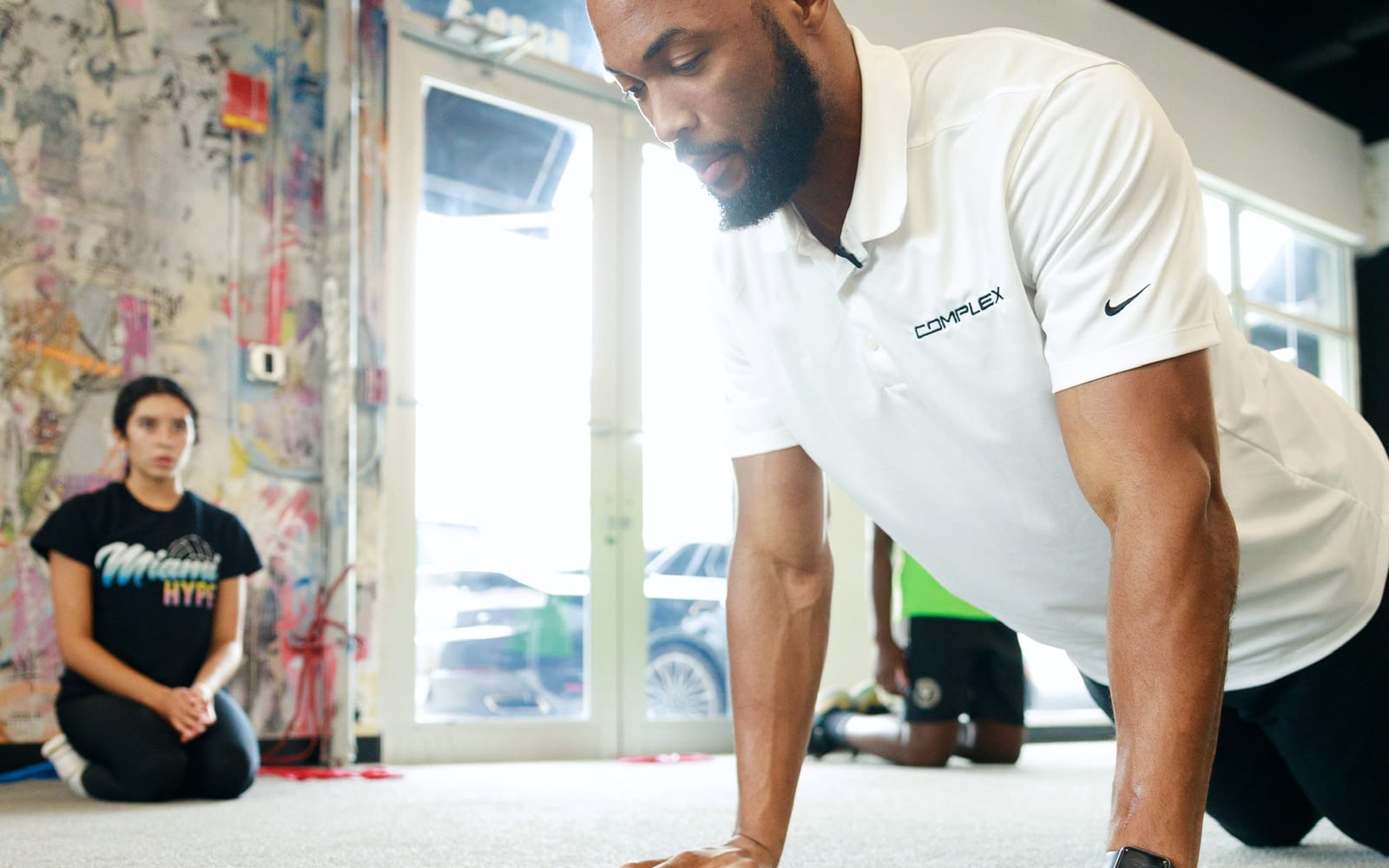
- Before a workout: Do dynamic mobility and gentle movement first.
- During the workout: Focus on moving well with proper form through your full range of motion.
- After a workout (or on rest days): This is the time for your longer, static stretches to help the muscles relax.
If you've spent years only stretching and wondering why you're still tight, try adding 2–3 functional strength sessions per week. The goal isn't to become a contortionist; it's to have enough control to move through your life comfortably.
How Long Until You See Results?
Be patient with your body. Flexibility and stability don't change overnight. Most people notice a beautiful shift in how they feel and move within 4–6 weeks of consistent practice. The "tight" feeling often melts away once you combine daily mobility with functional strength.
Quick Reference: Stretch vs. Strengthen by Area
- Hips feeling tight? Stretch with 90/90s, then strengthen with bodyweight squats (remember to push the floor away!).
- Shoulders stiff? Stretch with arm circles, then strengthen with band pull-aparts.
- Low back stiff? Stretch with child's pose, then strengthen your deep core with dead bugs (keep the ribs in!).
Match the stretch to the strength. Whatever you lengthen, you must also load with proper form so your body learns to use it.
If you are struggling with consistency, don't know proper form, only use machines, or have a weak core, please don't hesitate to reach out. We can build a functional plan that teaches you how to truly connect with your body. Start your performance plan today.
Let's get you better.
Ready to Start Your Journey?
Tell us your goals and we'll build a personalized plan to get you moving, stronger, and performing at your best.