

Pickleball Injuries: The 7 Most Common & How to Prevent Them
Welcome back to the court! If you've found yourself caught up in the pickleball craze, you aren't alone. It's such an awesome way to stay active, meet new friends, and get that heart rate up. But as we see the sport grow, we're also seeing more players coming into the clinic with aches that could have been avoided.
Whether you're a seasoned tennis player transitioning to the smaller court or an everyday individual looking for a fun way to move, your body needs a solid foundation to handle the quick lateral bursts and repetitive swings of this sport. Many people dive in headfirst—which I love!—but sometimes our muscles aren't quite ready for the "crazy" movements we ask of them. In this post, we're going to look at the seven most common pickleball injuries and, more importantly, how to build the strength and mobility to prevent them. You got this! Let's get you moving safely so you can focus on the game.
Quick Takeaways
- Warm-Up is Non-Negotiable: A 5–10 minute dynamic warm-up reduces injury risk by increasing blood flow to your tissues.
- Lateral Support Matters: Wear court-specific shoes (not running shoes) to prevent ankle rolls.
- The Power of the Glutes: Many back and knee issues stem from weak or tight glutes caused by prolonged sitting.
- Mind-Muscle Connection: Visualizing your muscles working helps ensure proper form and prevents overuse.
- Gradual Progression: Avoid "weekend warrior" syndrome by slowly increasing your playing time each week.
- Listen to Your Body: If you feel sharp pain, stop. Pushing through can turn a minor strain into a long-term setback.
1. Ankle Sprains: The Sideways Slip
The most frequent injury in pickleball involves the ankle, often occurring during quick lateral shuffles or when backpedaling for an overhead shot. When you're moving side-to-side, your lateral stabilizers—the peroneal muscles—need to be awake and ready.
How to Prevent It:
Instead of just "stretching" your ankles, let's talk about stability. Think about your peroneal muscles on the outside of your lower leg. They start at the top of your fibula (just below the knee) and insert into the base of your foot. When you move, think about bringing these two points together to stabilize the outside of your ankle.
"Am I doing this right?" you might ask during a balance drill. If you feel a slight burn on the outside of your shin while standing on one leg, you're exactly where you need to be! Awesome work.
2. Pickleball Elbow (Lateral Epicondylitis)
Similar to tennis elbow, this is an overuse injury of the tendons on the outside of your forearm. It usually happens from a grip that's too tight or a "flick" of the wrist rather than using your whole arm and core for power.
Mind-Muscle Connection:
When you swing your paddle, don't just use your wrist. Think about your forearm extensors. The origin is at the bony bump on the outside of your elbow, and they insert into your hand. To engage them properly without overstraining, keep a firm but relaxed grip and breathe through your nose to stay relaxed through the upper body.
3. Achilles Tendon Strains
Pickleball requires a lot of "stop-and-go." This puts massive stress on the Achilles tendon, especially for players who spend most of their day sitting. When we sit for hours, our calves get tight and our glutes go to sleep.
The Anatomy Fix:
Your calf muscle (gastrocnemius) originates above the knee and inserts into your heel via the Achilles. Before you play, perform dynamic heel raises. As you lift your heels, visualize bringing the back of your knee closer to your heel to fully engage the muscle belly rather than just pulling on the tendon. Looks too easy? Try doing it on one leg—two more reps!
4. Rotator Cuff Tendonitis
Even though the pickleball serve is underhand, the overhead smashes and quick volleys can lead to shoulder impingement or tears. This is often because we try to "muscle" the ball with just our shoulder instead of using our foundation—the legs and core.
Building the Foundation:
Your rotator cuff stabilizes the "ball" in the "socket." To protect it, we need to strengthen the serratus anterior and the muscles around the shoulder blade. A strong foundation here allows for a full range of motion without the "pinch." Remember, we want the movement to feel fluid, not forced.
5. Knee Strains and Meniscus Tears
Sudden pivots can put the knee in a vulnerable position if the hips aren't doing their job. As a physical therapist, I often see knee pain that actually stems from glute weakness. If your glutes are "off," your knee has to take all that lateral force.
How long till I reach this goal of pain-free knees?
It depends on your starting point, but most people see a difference in 4–6 weeks of consistent glute activation. Start with manual mobility work to "wake up" the tissue, then move to strength. Think about your gluteus medius (on the side of your hip). Think about bringing the top of your hip bone and the side of your thigh together as you step laterally.
6. Wrist Fractures from Falls
Falls are surprisingly common, especially when players backpedal. When we fall, our instinct is to reach out with an outstretched hand (the FOOSH injury—Fall Onto Outstretched Hand).
Safety Cue:
Never backpedal! If a ball goes over your head, turn your body and run forward toward the back of the court. This keeps your center of gravity stable. If you do find yourself off-balance, try to "tuck and roll" rather than catching yourself with a stiff wrist.
7. Lower Back Pain (The "Sitting" Side Effect)
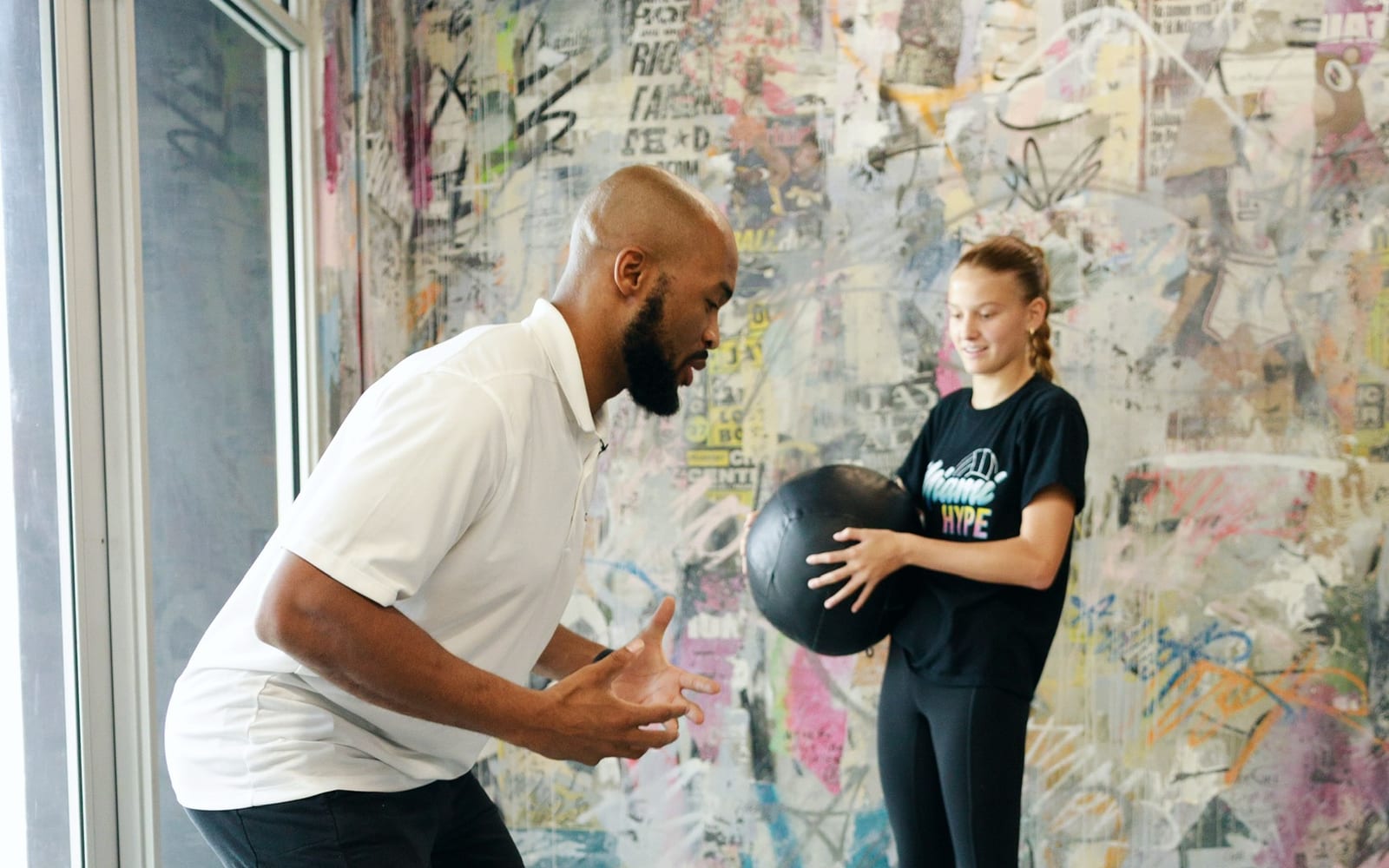
Many everyday people experience back pain because they transition from a desk chair directly to the court. This back pain often stems from tight hip flexors pulling on the spine and "sleepy" glutes.
The Recovery Process:
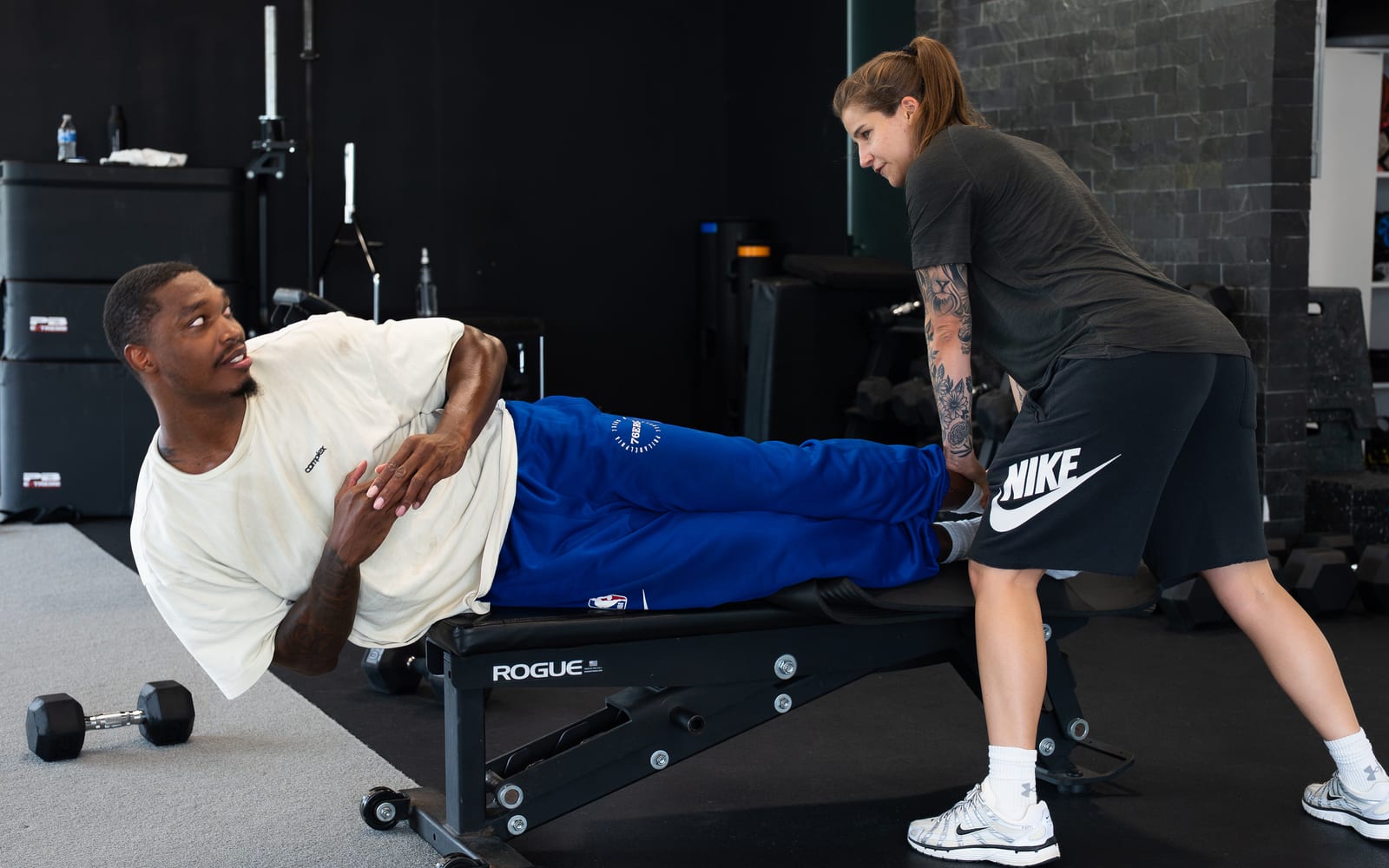
We always start with manual therapy or mobility to release the tension in the front of the hips. Once the path is clear, we build strength. Think about your core connecting from your chest to your pelvis; think about bringing these two points together to protect your spine during those deep dinks.
Conclusion
Pickleball is a gift—it keeps us social, active, and competitive! But remember, your body is the most important piece of equipment you own. By focusing on a strong foundation, practicing the mind-muscle connection, and respecting the time it takes to adapt to new movements, you can stay on the court for years to come.
If you are experiencing daily pain, have a big tournament coming up, or notice significant weakness that's holding you back from your best game, don't wait for it to get worse. Book your session and let's get you back to 100%.
FAQs
Q: Am I doing this right? I feel a stretch but no "work" in the muscle.
Great question! Often, we "stretch" without "engaging." If you don't feel the muscle working, try to visualize the origin and insertion points I mentioned earlier. Focus on bringing those two points together to turn the muscle "on" rather than just pulling on it.
Q: Is mobility the same as stretching?
Not quite! Stretching is passive (like holding a pose), while mobility is your ability to move through a full range of motion with control. For pickleball, we need active mobility so your joints are protected while you're moving fast.
Q: How long till I reach my goal of playing pain-free?
Patience is key! If we're building a foundation, expect about 4–8 weeks to see structural changes in the muscle. However, you'll often feel better after just a few sessions of manual therapy and proper activation!
Q: Should I wear my running shoes to play?
I wouldn't recommend it! Running shoes are designed for forward motion and have high "stacks" that make it easy to roll an ankle during lateral pickleball moves. Look for a court shoe with a wider, flatter base.
Q: Why does my back hurt after a long session?
It's likely those glutes! When we sit all day, our glutes get "lazy." On the court, your lower back tries to do the work the glutes should be doing. Strengthening your hips is the best gift you can give your spine.
References
- American Academy of Orthopaedic Surgeons (AAOS): Pickleball Safety and Injury Prevention.
- Journal of Sports Medicine: Epidemiology of Pickleball-Related Injuries (2010–2019).
- Mayo Clinic: Common Overuse Injuries in Racket Sports.
- National Center for Biotechnology Information (NCBI): Analysis of Lateral Stability in Court Athletes.
Ready to play pain-free? Book your session or explore our physical therapy and performance services.
Ready to Start Your Journey?
Tell us your goals and we'll build a personalized plan to get you moving, stronger, and performing at your best.