

Golf Mobility Screen: What to Fix Before Your Next Round
Most golf injuries are not random. They are the bill coming due for a swing that asks your body for motion it does not have.
Megan Hoffman, DPT, is TPI Level 1 certified. She screens golfers for the mobility and stability pieces that make a swing efficient—or force ugly compensations.
What a Useful Golf Screen Looks For
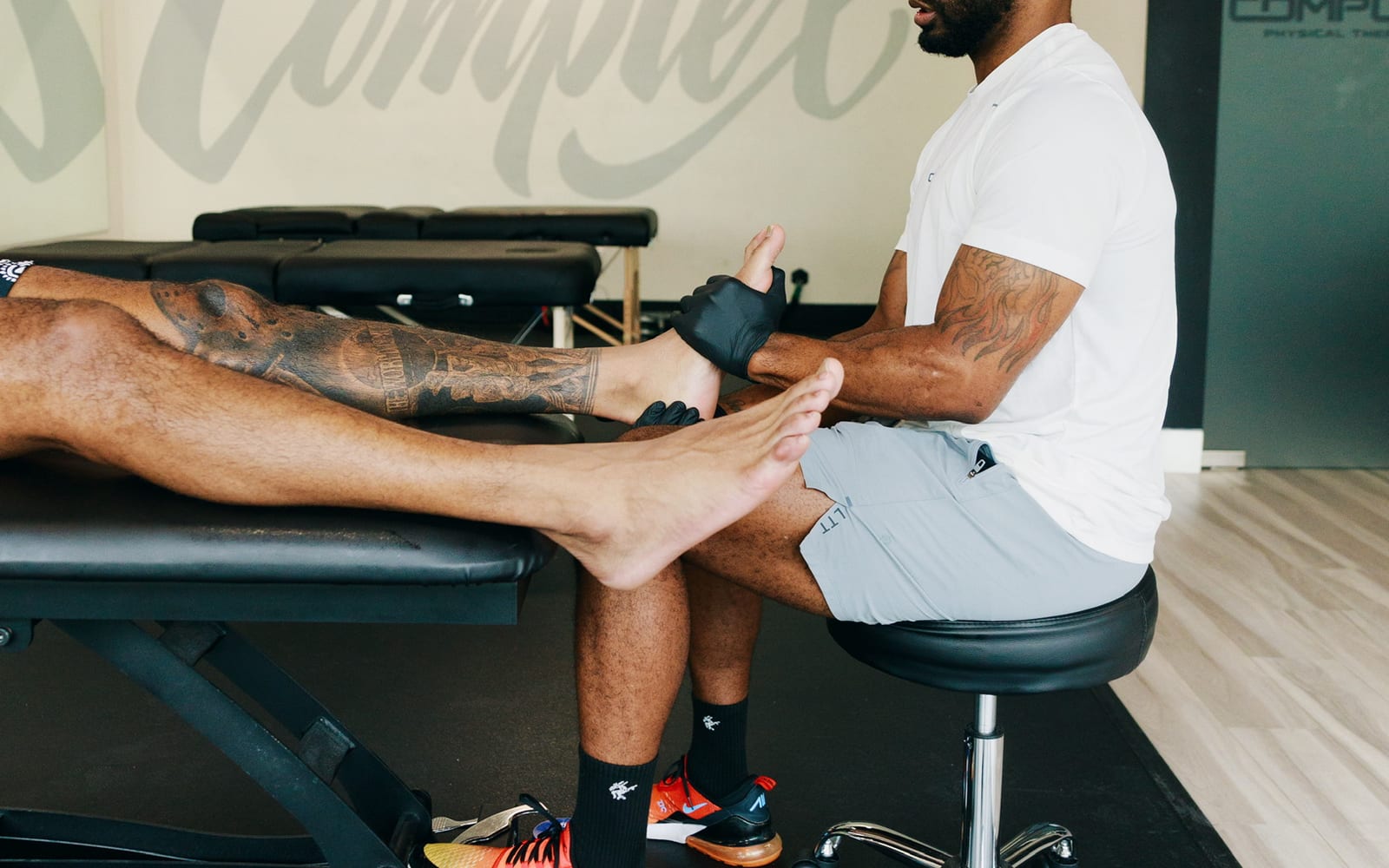
- Hip internal/external rotation for turn and weight shift
- Thoracic rotation so the low back is not forced to over-rotate
- Shoulder mobility for a clean takeaway and follow-through
- Single-leg balance and pelvic control in transition
- Ability to hinge and load without dumping into the lumbar spine
If those pieces are limited, the ball flight may still look okay for a while. Your joints will not.
Common Swing Compensations
- Sliding instead of rotating
- Early extension to create space
- Overusing the lumbar spine because the thorax will not turn
- Casting the club when shoulder or grip tension spikes
We do not chase swing aesthetics first. We restore the physical options your coach can then use.
A Simple Pre-Round Fix List
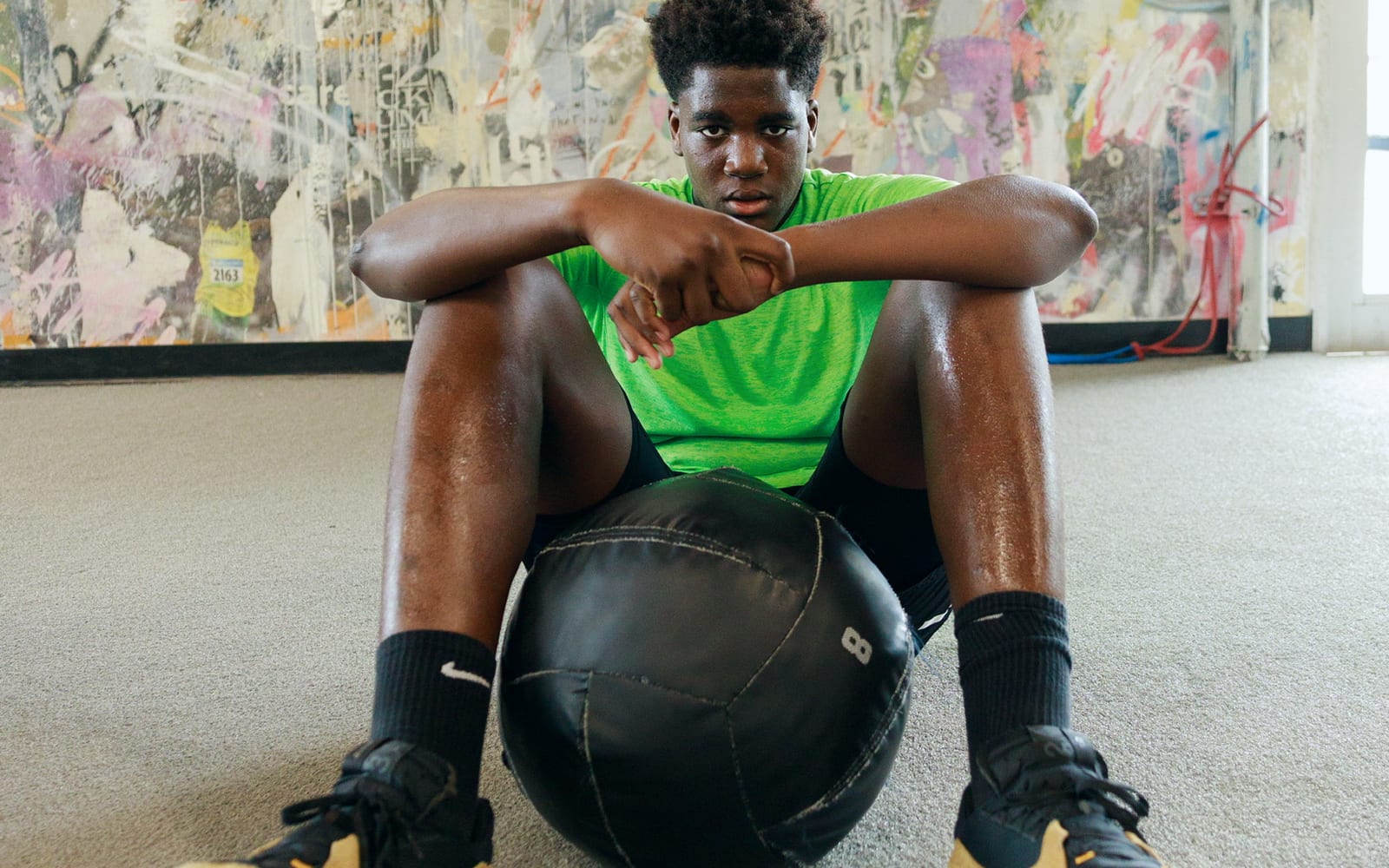
- Hip openers + 90/90 breathing for turn capacity
- Open-book thoracic rotations for upper-body separation
- Split-stance cable or band rotations for control under load
- Single-leg RDLs for balance and posterior chain readiness
Ten focused minutes beats thirty random stretches.
When Pain Means Stop Playing Through It
Low-back tightness that worsens every nine holes, lead-shoulder pinch at the top, or hip pain on weight shift are signals. Modify volume, get screened, and rebuild the missing capacity.
For broader warm-up structure you can reuse on range days, see our 6-minute warm-up system.
Better movement options make better swings—and longer golf careers.
Let's get you better. Book your golf movement screen with Megan or contact us to get scheduled.
Ready to Start Your Journey?
Tell us your goals and we'll build a personalized plan to get you moving, stronger, and performing at your best.