

Back to the Gym After PT: The Exact Bridge Program Most People Miss
First off, how was your weekend?
If you just finished up a stint in physical therapy, you're probably feeling great and ready to crush it. But how are you feeling about getting back under a heavy barbell? Jumping straight back into your old gym routine is exactly where most active adults completely derail their progress.
People exercise or play a sport at a high intensity, get hurt, stop for months, and then try to return to the sport at their prior level of intensity. This "stop and go" mentality is exactly when massive re-injury occurs.
At Complex, we believe that bridging the gap between physical therapy and performance training is the only true way to get people back to high-level activity safely. Let's get better today. Alright, let's get to work!
Why You Need a Bridge Program
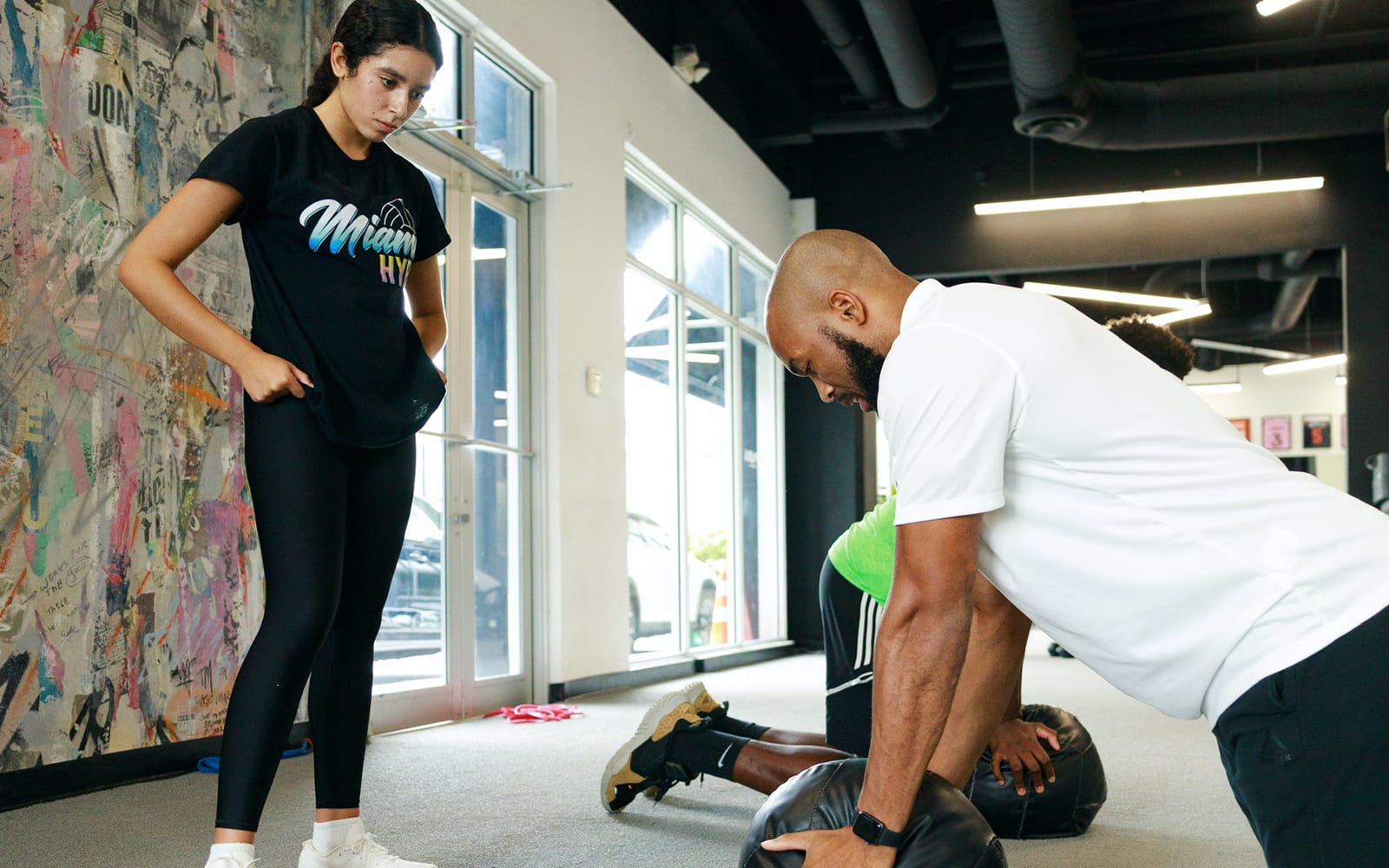
When you're discharged from standard PT, you have restored pain-free movement. That is a huge win! But you have not rebuilt the capacity for heavy loading.
Clients always ask me, "What can I do to prevent this injury from occurring again?" The answer is a bridge program. This is a short, structured phase that takes you from "cleared by PT" to "ready for full training." If you skip this, you are begging for a flare-up.
The Rules of the Bridge
1. Do Not Stop Your Correctives!
This is a massive pet peeve of mine. People stop doing the corrective exercises that helped them feel better the second their pain goes away, allowing for immediate re-injury.
Patients often ask, "What is the purpose of this exercise?" when I give them basic single-leg balances or clamshells. The purpose is maintenance! Keep 1–2 of your key rehab exercises as staples at the start of your gym sessions.
2. Think About the Biomechanics
If I pulled out a live anatomy model right now and showed you the tissue you just rehabbed, you'd see that it's healthy, but it's not hardened yet. We treat the complete body rather than just the injured site, meaning we need to reintroduce big patterns (squats, hinges, pushes, pulls) with very light loads.
We need to teach your whole kinetic chain how to work together again without compensating. We start light, focus on perfect form, and build from there. Let's get comfortable being uncomfortable with the basics before we start ego-lifting.
3. Progress Load, Then Volume
Once you are moving well and pain-free, we increase the weight slightly (about 5-10% a week). We keep the reps conservative. Do not add a bunch of sets and reps until your body proves it can handle the heavier load. This load-first approach prevents overuse flare-ups.
4. How Do We Deal With Flare-Ups?
During this bridge phase, you might have a tight day. "How do I get rid of this knot?" is a question I get constantly. Today we’re going to start with manual therapy which will allow you to move better when we get into the exercise portion of the session. But remember, manual therapy is just the warm-up; smart, progressive movement is the actual cure.
Check in with yourself before you lift. How is your injury doing today?
- Progress: No pain, good form.
- Hold: Any pain above a 3/10 or form breakdown.
- Step back: If something flares, drop the weight. There is no shame in stepping back to step forward.
Stop Letting Injuries Linger
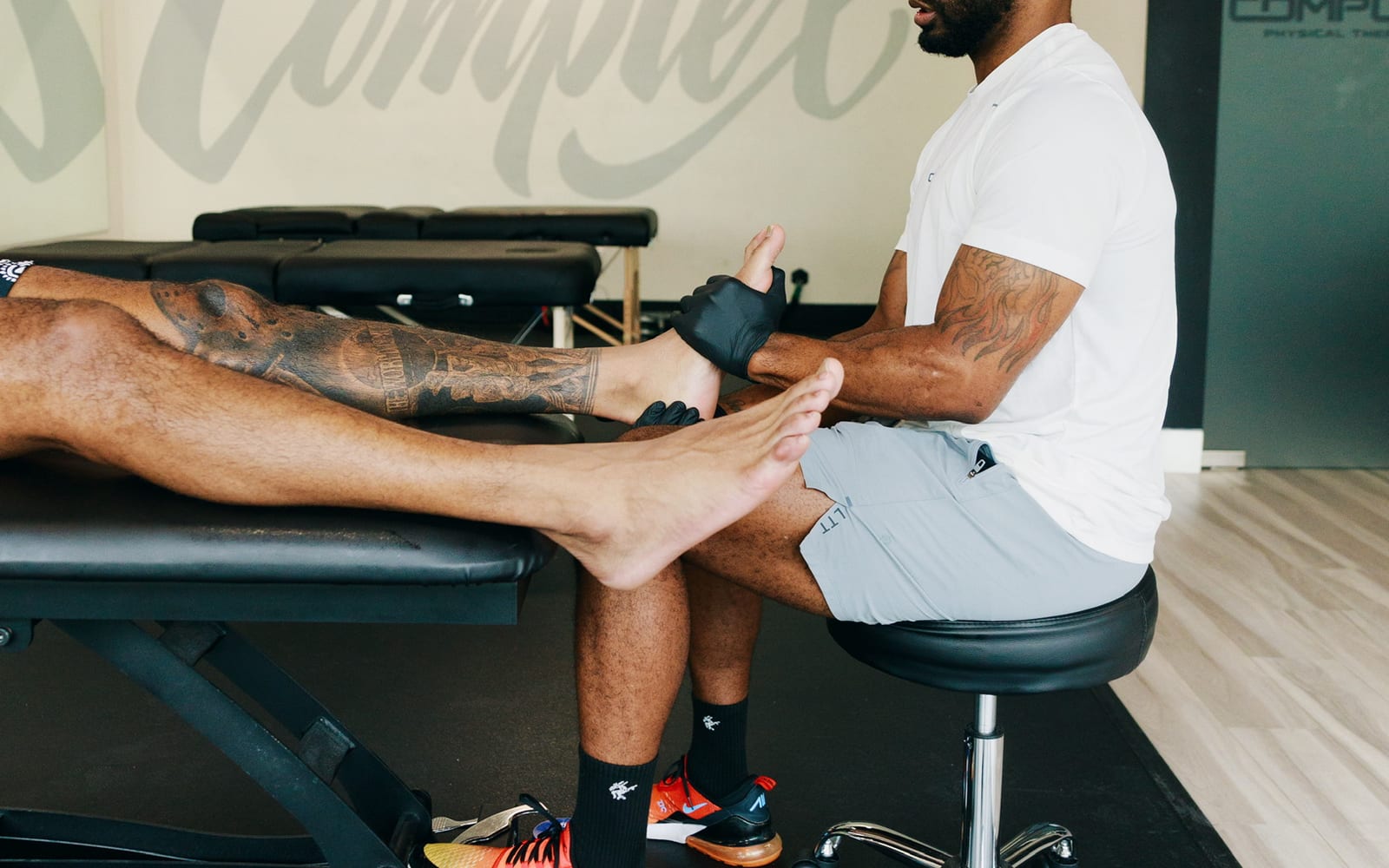
I noticed that people let injuries linger for way too long before seeking out physical therapy. They try to push through, alter their mechanics, and end up hurting something else. Our holistic approach to treating the complete body is how you truly achieve optimized health and wellness, and there is no better model than our 1-on-1 physical therapy to give you that unmatched attention to detail.
The bridge phase isn't forever. It's usually just 4 to 8 weeks of intentional work so you can spend the rest of the year crushing your goals. Do the work, stick to the plan, and that's all she wrote.
Let's get this money!
If you’re someone who hasn’t been as active as you used to be due to pain, if you’re someone who hasn’t dealt with injury before and wants to continue to perform at the level you do, or if you’re still dealing with pain after trying physical therapy elsewhere... you should come see me. Let's get better. Would you like to review this or jump into creating content for another team member?
Ready to Start Your Journey?
Tell us your goals and we'll build a personalized plan to get you moving, stronger, and performing at your best.